Artificial Intelligence (AI) is more than just a tool for convenience or business efficiency. Increasingly, it’s being seen as a powerful force that could help tackle some of the world’s most pressing issues—namely, climate change and poverty. While technology alone cannot solve these complex global problems, AI could provide the insights, efficiencies, and innovations needed to make meaningful progress. But how realistic is this vision?
Read Also: How might AI transform healthcare in the next 10 years?
1. AI and Climate Change: The Battle for a Cooler Planet
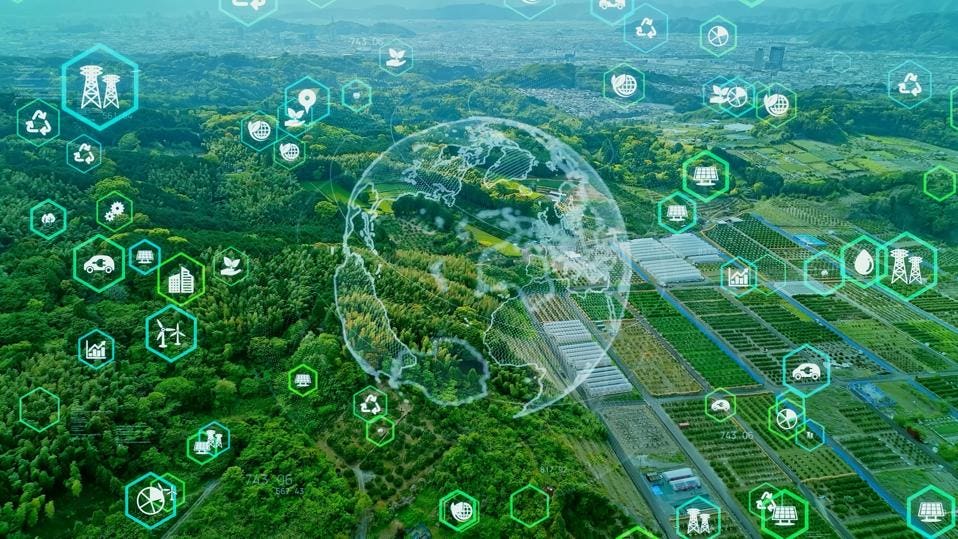
Climate change is arguably the most urgent challenge humanity faces. Rising temperatures, extreme weather, and melting ice caps all signal a planet in distress. Here’s how AI could be part of the solution:
A. Smarter Energy Systems
AI can make energy production and consumption more efficient. Smart grids powered by AI analyze electricity usage patterns in real-time, helping utilities reduce waste and shift to renewable sources like wind and solar. AI also helps predict energy demand more accurately, enabling better planning and distribution.
B. Optimizing Renewable Energy
One of the barriers to renewable energy is its variability—solar and wind energy depend on the weather. AI can predict weather patterns and optimize the performance of renewable installations. For example, Google's DeepMind has used AI to improve the output of wind farms by forecasting wind conditions 36 hours in advance.
C. Climate Modeling and Monitoring
AI can enhance our understanding of climate systems by analyzing massive datasets from satellites, sensors, and simulations. This improves climate models, enabling better predictions of natural disasters, sea-level rise, and changing weather patterns. Governments can use these insights for more effective climate policies and disaster preparedness.
2. AI and Poverty: Closing the Economic Divide
Global poverty is another colossal challenge, affecting billions of people who lack access to basic needs like food, healthcare, and education. AI has the potential to create smarter, more inclusive solutions.
A. Precision Agriculture
AI can boost food security by helping small farmers increase crop yields. Using drones, sensors, and AI-driven analytics, farmers can monitor soil health, forecast weather, and detect crop diseases early. This empowers them to make better decisions, reduce waste, and improve productivity—all crucial steps in fighting hunger and poverty.
B. Expanding Access to Education
AI-powered educational tools can bring personalized learning to remote or underserved communities. With mobile devices and AI tutors, students can access quality learning resources without needing a physical classroom. Adaptive learning systems adjust to individual needs, making education more effective and inclusive.
Read: What role will AI play in shaping the future of education and personalized learning?
C. Improving Financial Inclusion
AI can analyze non-traditional data—like mobile usage, transaction history, and social behavior—to assess creditworthiness. This allows banks and fintech companies to offer microloans or financial services to unbanked populations. In countries with limited access to traditional banking, AI-driven solutions could lift millions out of poverty by supporting entrepreneurship and personal savings.
D. Healthcare Delivery in Remote Areas
In rural or impoverished areas with limited medical personnel, AI chatbots and diagnostic tools can offer basic healthcare advice. AI systems can triage symptoms, recommend treatments, or guide patients to nearby clinics. Mobile-based AI health tools could dramatically improve health outcomes where resources are scarce.
3. Challenges and Ethical Concerns
While AI has enormous potential, it also comes with risks and limitations that need to be carefully managed:
Data Bias: If AI systems are trained on biased or incomplete data, they could reinforce existing inequalities.
Job Displacement: Automation could eliminate certain jobs, worsening poverty for some if reskilling programs aren’t in place.
Lack of Infrastructure: Many of the regions that could benefit most from AI—particularly in developing countries—lack the digital infrastructure or internet access to support these technologies.
Privacy and Surveillance: Poor communities may be disproportionately affected by AI surveillance or exploitation of their data without consent.
4. The Role of Policy and Global Collaboration
To maximize AI’s potential for good, governments, NGOs, and tech companies must collaborate. Ethical frameworks, fair data usage policies, and inclusive AI development are essential. Moreover, international cooperation is crucial to ensure that AI isn’t just benefiting wealthy nations, but contributing meaningfully to solving global problems.
Investments must focus not only on AI innovation but also on ensuring it reaches those who need it most—farmers, students, and patients in vulnerable communities.
Final Thoughts
AI is not a magic bullet for solving global challenges like climate change or poverty, but it is a powerful tool that, when used responsibly and inclusively, can accelerate progress. From predicting crop yields to optimizing energy use, AI offers new ways to think, act, and intervene at scale.
 Jackson Mateo
Artificial Intelligence (AI) is more than just a tool for convenience or business efficiency. Increasingly, it’s being seen as a powerful force that could help tackle some of the world’s most pressing issues—namely, climate change and poverty. While technology alone cannot solve these complex global problems, AI could provide the insights, efficiencies, and innovations needed to make meaningful progress. But how realistic is this vision?
Read Also: How might AI transform healthcare in the next 10 years?
1. AI and Climate Change: The Battle for a Cooler Planet
Climate change is arguably the most urgent challenge humanity faces. Rising temperatures, extreme weather, and melting ice caps all signal a planet in distress. Here’s how AI could be part of the solution:
A. Smarter Energy Systems
AI can make energy production and consumption more efficient. Smart grids powered by AI analyze electricity usage patterns in real-time, helping utilities reduce waste and shift to renewable sources like wind and solar. AI also helps predict energy demand more accurately, enabling better planning and distribution.
B. Optimizing Renewable Energy
One of the barriers to renewable energy is its variability—solar and wind energy depend on the weather. AI can predict weather patterns and optimize the performance of renewable installations. For example, Google's DeepMind has used AI to improve the output of wind farms by forecasting wind conditions 36 hours in advance.
C. Climate Modeling and Monitoring
AI can enhance our understanding of climate systems by analyzing massive datasets from satellites, sensors, and simulations. This improves climate models, enabling better predictions of natural disasters, sea-level rise, and changing weather patterns. Governments can use these insights for more effective climate policies and disaster preparedness.
2. AI and Poverty: Closing the Economic Divide
Global poverty is another colossal challenge, affecting billions of people who lack access to basic needs like food, healthcare, and education. AI has the potential to create smarter, more inclusive solutions.
A. Precision Agriculture
AI can boost food security by helping small farmers increase crop yields. Using drones, sensors, and AI-driven analytics, farmers can monitor soil health, forecast weather, and detect crop diseases early. This empowers them to make better decisions, reduce waste, and improve productivity—all crucial steps in fighting hunger and poverty.
B. Expanding Access to Education
AI-powered educational tools can bring personalized learning to remote or underserved communities. With mobile devices and AI tutors, students can access quality learning resources without needing a physical classroom. Adaptive learning systems adjust to individual needs, making education more effective and inclusive.
Read: What role will AI play in shaping the future of education and personalized learning?
C. Improving Financial Inclusion
AI can analyze non-traditional data—like mobile usage, transaction history, and social behavior—to assess creditworthiness. This allows banks and fintech companies to offer microloans or financial services to unbanked populations. In countries with limited access to traditional banking, AI-driven solutions could lift millions out of poverty by supporting entrepreneurship and personal savings.
D. Healthcare Delivery in Remote Areas
In rural or impoverished areas with limited medical personnel, AI chatbots and diagnostic tools can offer basic healthcare advice. AI systems can triage symptoms, recommend treatments, or guide patients to nearby clinics. Mobile-based AI health tools could dramatically improve health outcomes where resources are scarce.
3. Challenges and Ethical Concerns
While AI has enormous potential, it also comes with risks and limitations that need to be carefully managed:
Data Bias: If AI systems are trained on biased or incomplete data, they could reinforce existing inequalities.
Job Displacement: Automation could eliminate certain jobs, worsening poverty for some if reskilling programs aren’t in place.
Lack of Infrastructure: Many of the regions that could benefit most from AI—particularly in developing countries—lack the digital infrastructure or internet access to support these technologies.
Privacy and Surveillance: Poor communities may be disproportionately affected by AI surveillance or exploitation of their data without consent.
4. The Role of Policy and Global Collaboration
To maximize AI’s potential for good, governments, NGOs, and tech companies must collaborate. Ethical frameworks, fair data usage policies, and inclusive AI development are essential. Moreover, international cooperation is crucial to ensure that AI isn’t just benefiting wealthy nations, but contributing meaningfully to solving global problems.
Investments must focus not only on AI innovation but also on ensuring it reaches those who need it most—farmers, students, and patients in vulnerable communities.
Final Thoughts
AI is not a magic bullet for solving global challenges like climate change or poverty, but it is a powerful tool that, when used responsibly and inclusively, can accelerate progress. From predicting crop yields to optimizing energy use, AI offers new ways to think, act, and intervene at scale.