In today’s Major League Baseball, speed, analytics, and new pitching tactics are key. Freddy Peralta is one of the most exciting pitchers. Peralta is known for his explosive fastball, strong slider, and fierce competitiveness.
His journey shows how he went from being overlooked to a key player for the Milwaukee Brewers. This highlights his growth, resilience, and pitching skill. His journey shows personal growth. It also highlights how the Brewers excel at finding, developing, and enhancing pitching talent, even in a small market.
Humble Beginnings and Path to the Majors
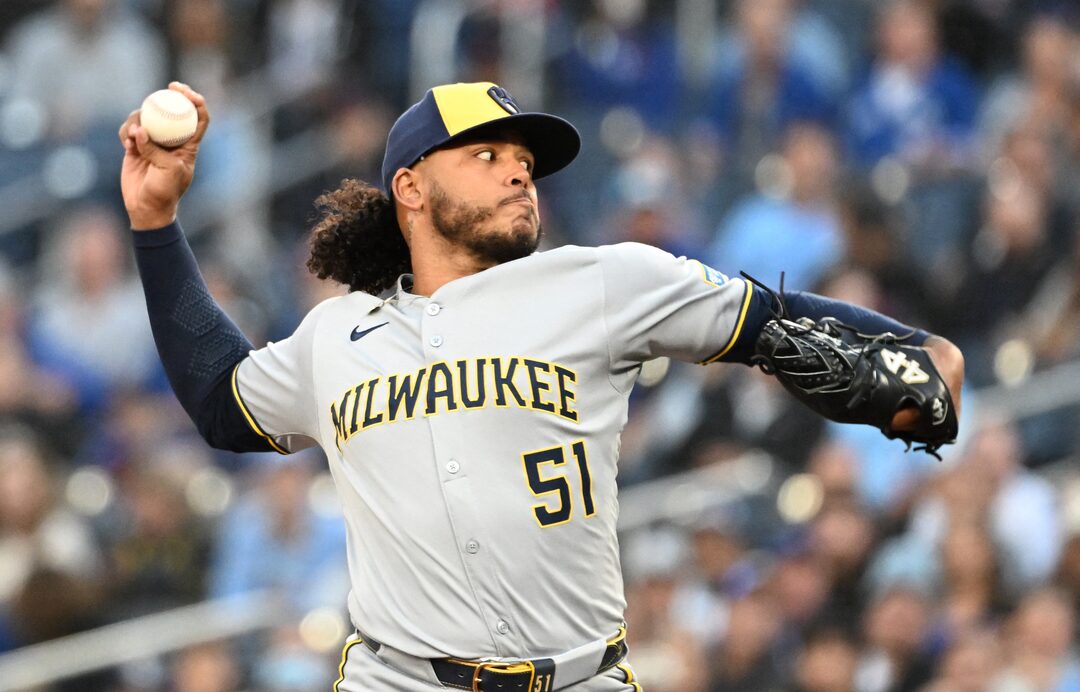
Freddy Peralta was born on June 4, 1996, in Moca, Dominican Republic, a country renowned for producing baseball legends. Peralta started his professional baseball career quietly.
Read Also: Sports Betting App Development Roadmap for High Profit Digital Platform
He didn’t have much fanfare, unlike many high-profile international prospects who sign big contracts early. The Milwaukee Brewers signed him as an amateur free agent. They saw him as a raw but promising pitcher with a lot of potential.
Early in his minor league career, Peralta struck out many batters. He often overpowered hitters with his fastball. Yet, command issues and inconsistency led to doubts about his future.
Would he become a reliable major league starter, or would he end up in a bullpen role? The Brewers stayed patient. They worked on his mechanics, improved his secondary pitches, and helped him control his natural velocity.
That patience paid off when Peralta made his MLB debut in 2018. In his first major league start, he announced his arrival in dramatic fashion by striking out 13 batters against the Colorado Rockies. His performance put him on the national radar. It showed the potential that had caught Brewers scouts' attention years before.
Developing a Power Pitching Identity
From the outset, Freddy Peralta’s game was built around power. His fastball regularly reaches the upper 90s, featuring late life that makes it difficult for hitters to square up. What sets Peralta apart from other hard throwers is how he combines his speed with movement and deception.
Peralta’s fastball plays above its radar-gun reading due to its high spin rate and vertical ride, allowing it to miss bats at the top of the strike zone. As hitters prepared for the fastball, Peralta relied more on his slider.
This pitch sharply breaks away from right-handed hitters and effectively neutralizes left-handed bats. Over time, he also developed a changeup to keep hitters off balance, further solidifying his arsenal.
This evolution did not happen overnight. Peralta and the Brewers' coaches had to rethink his pitch usage and sequence. Early on, he struggled with home runs and efficiency.
By using analytics and focusing on his strengths, Peralta changed from a thrower to a pitcher. Now, he attacks hitters with strategy instead of relying on speed.
Overcoming Adversity and Inconsistency
Like many young pitchers, Peralta’s rise was not linear. After a strong debut season, he faced challenges. Hitters adjusted to his style, and injuries slowed him down. There were periods when his command wavered, leading to high pitch counts and shorter outings. At times, questions resurfaced about whether he would be better suited as a reliever.
Instead of stagnating, Peralta used these challenges as fuel for improvement. He worked tirelessly to refine his mechanics, focusing on repeatability and control.
The Brewers are known for their smart pitching development. They adjusted his workload and role. Sometimes, they used him for shorter stints. This helped protect his health and boost his confidence.
These adjustments helped Peralta unlock a new level of consistency. When he became a full-time starter again, he showed better command. His pitch mix became more efficient, and he could go deeper into games. His strikeout rates stayed elite. Yet, his effectiveness improved a lot. This earned him recognition as one of the best starters in the National League.
Establishing Himself as a Brewers Ace
As Freddy Peralta matured, he became a central figure in one of baseball’s most formidable pitching rotations. The Brewers have always focused on strong pitching. Peralta fits right into that idea. He helped lead a strong rotation that ranked high in strikeouts and run prevention.
Peralta’s performances in high-leverage games and playoff races further solidified his reputation. He proved he could raise his game against strong opponents. He stayed calm under pressure and confidently attacked hitters. His competitiveness on the mound showed in his intense demeanor and emotional celebrations. This made him a fan favorite and a leader in the clubhouse.
Beyond traditional statistics, advanced metrics highlighted Peralta’s value. His ability to miss bats, limit hard contact, and control the strike zone placed him among the elite pitchers of his generation. For a small-market team like Milwaukee, having a homegrown ace is key. Peralta has become a symbol of the team's success in this area.
The Modern Power Pitcher
Freddy Peralta is a modern power pitcher. He has high velocity, elite spin, and uses data to guide his performance. Yet, what truly defines his success is adaptability. MLB hitters are becoming more disciplined.
Teams focus on matchups, so pitchers need to keep evolving. Peralta has shown a willingness to adjust his pitch usage, refine his approach, and learn from each outing.
His success also highlights the importance of health and workload management in today’s game. The Brewers watch Peralta's innings closely. They make smart changes to keep him effective and reduce injury risk. Teamwork among players and the organization shows how today’s baseball blends skill with sports science and analysis.
Impact Beyond the Mound
Pear
Within the Brewers organization, Peralta represents continuity and hope. In a league where star players frequently leave for free agency, a homegrown ace offers stability. This foundation is key for lasting competitiveness. Fans see him not as a pitcher, but as a face of the franchise during a period of consistent contention.
Looking Ahead
As Freddy Peralta continues his career, the focus shifts from potential to legacy. The challenge now is to keep up excellence while handling the physical demands of pitching.
It also means making constant adjustments at the highest level. If his track record is any sign, Peralta is well-equipped to meet those challenges head-on. Freddy Peralta stands out as one of the Milwaukee Brewers’ top pitchers. His mix of power, precision, and passion makes him an impactful force. He went from being an overlooked prospect to a major league star.
This shows the power of hard work, smart development, and believing in oneself. Fans and analysts will closely watch him on the mound. They know they’re seeing one of baseball’s most exciting power pitchers in his prime.
Read Also : Game
 Luciano Paul
In today’s Major League Baseball, speed, analytics, and new pitching tactics are key. Freddy Peralta is one of the most exciting pitchers. Peralta is known for his explosive fastball, strong slider, and fierce competitiveness.
His journey shows how he went from being overlooked to a key player for the Milwaukee Brewers. This highlights his growth, resilience, and pitching skill. His journey shows personal growth. It also highlights how the Brewers excel at finding, developing, and enhancing pitching talent, even in a small market.
Humble Beginnings and Path to the Majors
Freddy Peralta was born on June 4, 1996, in Moca, Dominican Republic, a country renowned for producing baseball legends. Peralta started his professional baseball career quietly.
Read Also: Sports Betting App Development Roadmap for High Profit Digital Platform
He didn’t have much fanfare, unlike many high-profile international prospects who sign big contracts early. The Milwaukee Brewers signed him as an amateur free agent. They saw him as a raw but promising pitcher with a lot of potential.
Early in his minor league career, Peralta struck out many batters. He often overpowered hitters with his fastball. Yet, command issues and inconsistency led to doubts about his future.
Would he become a reliable major league starter, or would he end up in a bullpen role? The Brewers stayed patient. They worked on his mechanics, improved his secondary pitches, and helped him control his natural velocity.
That patience paid off when Peralta made his MLB debut in 2018. In his first major league start, he announced his arrival in dramatic fashion by striking out 13 batters against the Colorado Rockies. His performance put him on the national radar. It showed the potential that had caught Brewers scouts' attention years before.
Developing a Power Pitching Identity
From the outset, Freddy Peralta’s game was built around power. His fastball regularly reaches the upper 90s, featuring late life that makes it difficult for hitters to square up. What sets Peralta apart from other hard throwers is how he combines his speed with movement and deception.
Peralta’s fastball plays above its radar-gun reading due to its high spin rate and vertical ride, allowing it to miss bats at the top of the strike zone. As hitters prepared for the fastball, Peralta relied more on his slider.
This pitch sharply breaks away from right-handed hitters and effectively neutralizes left-handed bats. Over time, he also developed a changeup to keep hitters off balance, further solidifying his arsenal.
This evolution did not happen overnight. Peralta and the Brewers' coaches had to rethink his pitch usage and sequence. Early on, he struggled with home runs and efficiency.
By using analytics and focusing on his strengths, Peralta changed from a thrower to a pitcher. Now, he attacks hitters with strategy instead of relying on speed.
Overcoming Adversity and Inconsistency
Like many young pitchers, Peralta’s rise was not linear. After a strong debut season, he faced challenges. Hitters adjusted to his style, and injuries slowed him down. There were periods when his command wavered, leading to high pitch counts and shorter outings. At times, questions resurfaced about whether he would be better suited as a reliever.
Instead of stagnating, Peralta used these challenges as fuel for improvement. He worked tirelessly to refine his mechanics, focusing on repeatability and control.
The Brewers are known for their smart pitching development. They adjusted his workload and role. Sometimes, they used him for shorter stints. This helped protect his health and boost his confidence.
These adjustments helped Peralta unlock a new level of consistency. When he became a full-time starter again, he showed better command. His pitch mix became more efficient, and he could go deeper into games. His strikeout rates stayed elite. Yet, his effectiveness improved a lot. This earned him recognition as one of the best starters in the National League.
Establishing Himself as a Brewers Ace
As Freddy Peralta matured, he became a central figure in one of baseball’s most formidable pitching rotations. The Brewers have always focused on strong pitching. Peralta fits right into that idea. He helped lead a strong rotation that ranked high in strikeouts and run prevention.
Peralta’s performances in high-leverage games and playoff races further solidified his reputation. He proved he could raise his game against strong opponents. He stayed calm under pressure and confidently attacked hitters. His competitiveness on the mound showed in his intense demeanor and emotional celebrations. This made him a fan favorite and a leader in the clubhouse.
Beyond traditional statistics, advanced metrics highlighted Peralta’s value. His ability to miss bats, limit hard contact, and control the strike zone placed him among the elite pitchers of his generation. For a small-market team like Milwaukee, having a homegrown ace is key. Peralta has become a symbol of the team's success in this area.
The Modern Power Pitcher
Freddy Peralta is a modern power pitcher. He has high velocity, elite spin, and uses data to guide his performance. Yet, what truly defines his success is adaptability. MLB hitters are becoming more disciplined.
Teams focus on matchups, so pitchers need to keep evolving. Peralta has shown a willingness to adjust his pitch usage, refine his approach, and learn from each outing.
His success also highlights the importance of health and workload management in today’s game. The Brewers watch Peralta's innings closely. They make smart changes to keep him effective and reduce injury risk. Teamwork among players and the organization shows how today’s baseball blends skill with sports science and analysis.
Impact Beyond the Mound
Pear
Within the Brewers organization, Peralta represents continuity and hope. In a league where star players frequently leave for free agency, a homegrown ace offers stability. This foundation is key for lasting competitiveness. Fans see him not as a pitcher, but as a face of the franchise during a period of consistent contention.
Looking Ahead
As Freddy Peralta continues his career, the focus shifts from potential to legacy. The challenge now is to keep up excellence while handling the physical demands of pitching.
It also means making constant adjustments at the highest level. If his track record is any sign, Peralta is well-equipped to meet those challenges head-on. Freddy Peralta stands out as one of the Milwaukee Brewers’ top pitchers. His mix of power, precision, and passion makes him an impactful force. He went from being an overlooked prospect to a major league star.
This shows the power of hard work, smart development, and believing in oneself. Fans and analysts will closely watch him on the mound. They know they’re seeing one of baseball’s most exciting power pitchers in his prime.
Read Also : Game