I spent three hours reading the 800-page Farm Bill last night. Not because I enjoy pain. Because my farmer friend in Kansas texted me: "Did you see what they did?" I had not seen. So I dug in.
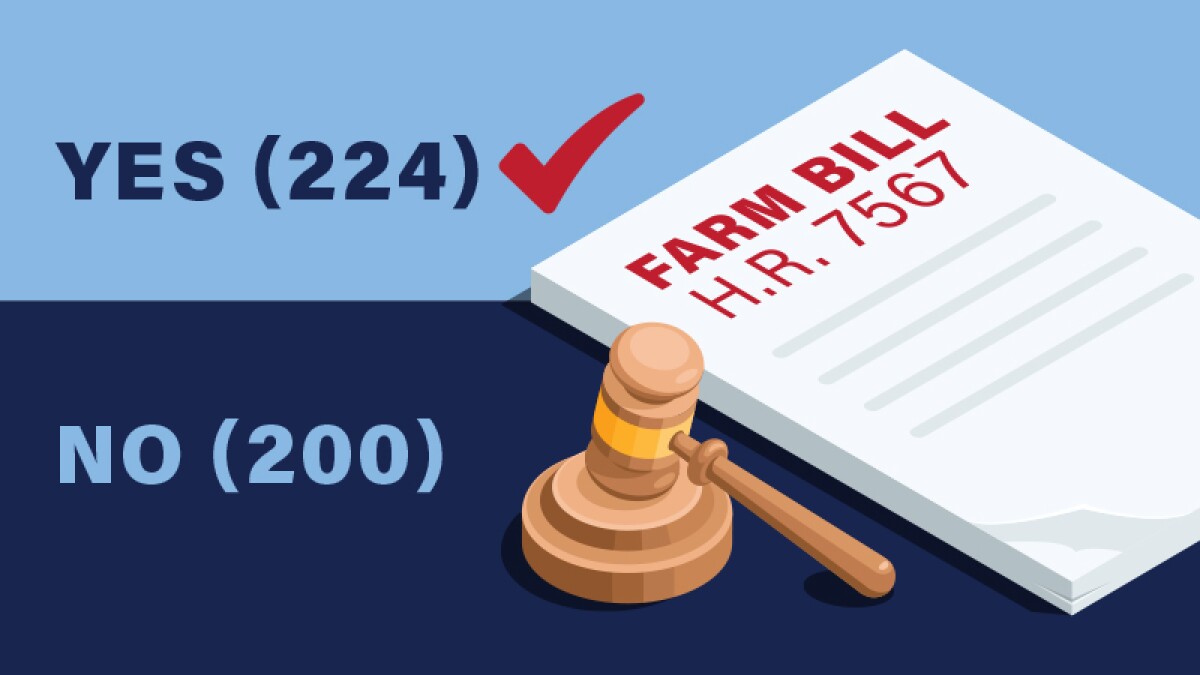
Here is the truth nobody tells you about the House Passes Farm Bill news. The headlines make it sound like a done deal. It is not. The House voted 224-200 on April 30, 2026. That is narrow. Fourteen Democrats crossed the aisle to help Republicans push it through.
But the Senate has not voted yet. And the Senate has problems with this bill.
I have tracked farm policy since the 2018 bill expired. Let me walk you through what actually happened. No Washington spin. Just the real pros, cons, and what you should watch for next.
First Thing: What Even Is the Farm Bill?
The Farm Bill is not just for farmers. That is the biggest misunderstanding.
It covers five big buckets :
Commodities (price support for corn, wheat, soybeans)
Conservation (paying farmers to protect soil and water)
Nutrition (SNAP benefits — food stamps for 42 million Americans)
Rural development (broadband, housing, small business loans)
Trade and forestry (export programs, national forests)
The 2018 Farm Bill expired in 2023. Congress has extended it three times since then. Each extension kicks the can down the road. The current extension runs through September 30, 2026.
Read Also: What is Houseplant Appreciation Day and why is it celebrated?
That is why this vote matters. We are running out of road.
The Vote: What Actually Happened on April 30
The House Passes Farm Bill story has three main headlines. Most news covers one. You need all three.
Headline 1: The Pesticide Fight Got Ugly
The original bill had a provision protecting pesticide companies like Bayer (makers of Roundup). Critics called it a "liability shield" . It would have blocked state and local governments from requiring stricter pesticide labels. It also would have protected companies from lawsuits alleging their products cause cancer.
Rep. Anna Paulina Luna (R-Florida) threatened to blow up the entire bill over this. She gathered a bipartisan coalition. The "Make America Healthy Again" crowd backed her.
The final vote to strip the pesticide language passed 280-142. That is a landslide in Washington terms.
What this means for you: No blanket immunity for chemical companies. Lawsuits can proceed. State labeling requirements stand.
Headline 2: The E15 Fight Got Punted
Year-round E15 (gasoline with 15% ethanol) was supposed to be in this bill. Farmers love it. Oil refiners hate it.
The fight got so bad that Republicans almost delayed the entire vote. Speaker Mike Johnson brokered a deal. Separate the E15 provision. Vote on it alone in May.
What this means for you: If you live in a corn state, watch May. If you do not, this barely touches your life.
Headline 3: SNAP Cuts Are the Real Story
This is the part that makes me angry.
The 2026 Farm Bill locks in $187 billion in cuts to SNAP. These cuts actually came from a separate bill (H.R. 1) passed last year. But this Farm Bill makes them permanent.
More than 3 million Americans have already lost SNAP benefits. In Connecticut alone, 33,000 people lost food assistance.
Rep. Jahana Hayes (D-Connecticut) voted no. She said: "I will not vote to take food away from hungry people".
Rep. Ilhan Omar (D-Minnesota) introduced five amendments to fix this. School lunch shaming bans. Universal meals. All blocked.
What this means for you: If you or someone you know uses SNAP, benefits are tighter. Work requirements are stricter. The safety net has holes.
Pros: Who Benefits from This Bill?
Let me be fair. The bill does good things for some people.
Rural Broadband Gets Real Attention
USDA must now consider affordability when designating "unserved" areas. That matters. Previously, if internet existed but cost $200 a month, the area was still "served." Not anymore.
Best for: Farmers, rural small business owners, remote workers in the country.
Renewable Energy Expands
Agricultural cooperatives with fewer than 2,500 employees can now apply for REAP grants. That is solar panels, wind turbines, energy efficiency upgrades for small farming co-ops.
Best for: Small farmers tired of high electric bills.
Volunteer Fire Departments Get Help
The Volunteer Fire Assistance program now allows USDA to waire match requirements for poor communities. If your rural town cannot afford a new fire truck, this helps.
Best for: Tiny towns with volunteer fire departments.
SNAP EBT Fees Are Permanently Banned
Grocery stores worried about transaction fees on SNAP purchases. This bill makes the ban permanent. Independent grocers in rural areas breathe easier.
Best for: Small town grocery store owners.
Cons: Who Gets Hurt?
The cons list is longer. Read this before you celebrate.
SNAP Recipients Lose Benefits
The $187 billion cut is not a rumor. It is in the text. Work requirements expanded. Older Americans, veterans, and parents with children now face more hoops.
Rep. Hayes offered an amendment to restore full benefits. Republicans blocked it.
Who should worry: Low-income families, elderly on fixed incomes, disabled adults.
Small Farms Get Left Behind
Only 5% of Connecticut farms are enrolled in crop insurance. Compare that to 19% nationally. The bill does nothing to fix this gap. Small farms cannot afford the premiums. They cannot navigate the paperwork.
Hayes offered an amendment to fix this. Blocked.
Who should worry: Small family farms. Hobby farmers. Organic operations.
Conservation Funding Gets Cut
The Environmental Quality Incentives Program lost $1 billion . That is money paid to farmers who use sustainable practices. Less money for cover crops. Less for rotational grazing. Less for soil health.
Who should worry: Farmers who care about long-term land health. Environmental groups.
State Animal Welfare Laws Could Die
The "Save Our Bacon Act" provision remained in the final bill. This nullifies state laws like California's Prop 12, which sets standards for animal living conditions.
You Must Also Like: Did Malti Chahar Just Make Her First Enemy in the House?
Pork producers love this. Animal welfare groups hate it.
Nancy Perry from ASPCA called it an "unprecedented overreach of federal power".
Who should worry: Voters in states with animal welfare laws. Pig farmers who already invested in humane housing.
What Happens Next? The Senate Fight
The House Passes Farm Bill is step one. Step two is the Senate.
And the Senate has problems.
Senate lawmakers have already butted heads on several provisions. The pesticide fight might resurface. The SNAP cuts face opposition. The E15 fight is not dead — it just moved to a separate bill.
Speaker Johnson reportedly told Republican holdouts that the Senate would make changes. That forces a conference committee. House and Senate negotiators would then iron out differences.
Timeline estimate: Senate votes sometime in late May or June. If they pass a different version, conference committee takes another month. Final bill on Biden's desk by August? Maybe. Do not hold your breath.
Practical Advice: What Should You Do Now?
If You Are a Farmer
Do not assume this bill becomes law as-is. The Senate could strip the SAVE OUR BACON provision. They could add disaster assistance. Stay flexible.
One concrete action: Call your Senator's office. Ask where they stand on the SNAP cuts. Their answer tells you how they will vote.
If You Use SNAP
Check your state's SNAP website in June. Work requirement changes roll out slowly. Do not get caught off guard.
One concrete action: Find your local food bank now. Save the number. If benefits get cut, you want the number in your phone before you need it.
If You Live in a Rural Area
The broadband provisions are real. If your internet sucks, this bill helps. But only if the Senate keeps those provisions.
One concrete action: Run a speed test today. Save the result. In one year, run it again. See if anything changed.
If You Care About Animal Welfare
Watch the Senate. The Save Our Bacon Act is not safe yet. Animal welfare groups are lobbying hard. Call your Senator if this matters to you.
What the Bill Does NOT Do (Important)
I have seen bad takes online. Let me correct three of them.
Does NOT give free money to all farmers. Most commodity payments go to large operations. Small farmers see little.
Does NOT cut all nutrition programs. School lunches remain funded. WIC remains funded. SNAP took the hit.
Does NOT legalize weed nationwide. Hemp provisions are separate. This bill does not touch cannabis policy.
The Final Thoughts
The House Passes Farm Bill is real news. But do not pop champagne yet.
The bill has genuine wins: rural broadband, renewable energy grants, volunteer fire department support. It also has real losses: SNAP cuts, conservation funding reduction, state animal welfare laws under threat.
If you are a small farmer or a low-income family, this bill does not help you enough. If you are a large agribusiness or a pesticide company (minus the liability shield), you did fine.
The Senate will change things. They always do. Watch May and June closely. The final version matters more than this House vote.
And if you made it this far — you now know more about the Farm Bill than 99% of people. Use that knowledge. Call your representatives. This stuff only changes when people pay attention.
 Mercado Wolski
I spent three hours reading the 800-page Farm Bill last night. Not because I enjoy pain. Because my farmer friend in Kansas texted me: "Did you see what they did?" I had not seen. So I dug in.
Here is the truth nobody tells you about the House Passes Farm Bill news. The headlines make it sound like a done deal. It is not. The House voted 224-200 on April 30, 2026. That is narrow. Fourteen Democrats crossed the aisle to help Republicans push it through.
But the Senate has not voted yet. And the Senate has problems with this bill.
I have tracked farm policy since the 2018 bill expired. Let me walk you through what actually happened. No Washington spin. Just the real pros, cons, and what you should watch for next.
First Thing: What Even Is the Farm Bill?
The Farm Bill is not just for farmers. That is the biggest misunderstanding.
It covers five big buckets :
Commodities (price support for corn, wheat, soybeans)
Conservation (paying farmers to protect soil and water)
Nutrition (SNAP benefits — food stamps for 42 million Americans)
Rural development (broadband, housing, small business loans)
Trade and forestry (export programs, national forests)
The 2018 Farm Bill expired in 2023. Congress has extended it three times since then. Each extension kicks the can down the road. The current extension runs through September 30, 2026.
Read Also: What is Houseplant Appreciation Day and why is it celebrated?
That is why this vote matters. We are running out of road.
The Vote: What Actually Happened on April 30
The House Passes Farm Bill story has three main headlines. Most news covers one. You need all three.
Headline 1: The Pesticide Fight Got Ugly
The original bill had a provision protecting pesticide companies like Bayer (makers of Roundup). Critics called it a "liability shield" . It would have blocked state and local governments from requiring stricter pesticide labels. It also would have protected companies from lawsuits alleging their products cause cancer.
Rep. Anna Paulina Luna (R-Florida) threatened to blow up the entire bill over this. She gathered a bipartisan coalition. The "Make America Healthy Again" crowd backed her.
The final vote to strip the pesticide language passed 280-142. That is a landslide in Washington terms.
What this means for you: No blanket immunity for chemical companies. Lawsuits can proceed. State labeling requirements stand.
Headline 2: The E15 Fight Got Punted
Year-round E15 (gasoline with 15% ethanol) was supposed to be in this bill. Farmers love it. Oil refiners hate it.
The fight got so bad that Republicans almost delayed the entire vote. Speaker Mike Johnson brokered a deal. Separate the E15 provision. Vote on it alone in May.
What this means for you: If you live in a corn state, watch May. If you do not, this barely touches your life.
Headline 3: SNAP Cuts Are the Real Story
This is the part that makes me angry.
The 2026 Farm Bill locks in $187 billion in cuts to SNAP. These cuts actually came from a separate bill (H.R. 1) passed last year. But this Farm Bill makes them permanent.
More than 3 million Americans have already lost SNAP benefits. In Connecticut alone, 33,000 people lost food assistance.
Rep. Jahana Hayes (D-Connecticut) voted no. She said: "I will not vote to take food away from hungry people".
Rep. Ilhan Omar (D-Minnesota) introduced five amendments to fix this. School lunch shaming bans. Universal meals. All blocked.
What this means for you: If you or someone you know uses SNAP, benefits are tighter. Work requirements are stricter. The safety net has holes.
Pros: Who Benefits from This Bill?
Let me be fair. The bill does good things for some people.
Rural Broadband Gets Real Attention
USDA must now consider affordability when designating "unserved" areas. That matters. Previously, if internet existed but cost $200 a month, the area was still "served." Not anymore.
Best for: Farmers, rural small business owners, remote workers in the country.
Renewable Energy Expands
Agricultural cooperatives with fewer than 2,500 employees can now apply for REAP grants. That is solar panels, wind turbines, energy efficiency upgrades for small farming co-ops.
Best for: Small farmers tired of high electric bills.
Volunteer Fire Departments Get Help
The Volunteer Fire Assistance program now allows USDA to waire match requirements for poor communities. If your rural town cannot afford a new fire truck, this helps.
Best for: Tiny towns with volunteer fire departments.
SNAP EBT Fees Are Permanently Banned
Grocery stores worried about transaction fees on SNAP purchases. This bill makes the ban permanent. Independent grocers in rural areas breathe easier.
Best for: Small town grocery store owners.
Cons: Who Gets Hurt?
The cons list is longer. Read this before you celebrate.
SNAP Recipients Lose Benefits
The $187 billion cut is not a rumor. It is in the text. Work requirements expanded. Older Americans, veterans, and parents with children now face more hoops.
Rep. Hayes offered an amendment to restore full benefits. Republicans blocked it.
Who should worry: Low-income families, elderly on fixed incomes, disabled adults.
Small Farms Get Left Behind
Only 5% of Connecticut farms are enrolled in crop insurance. Compare that to 19% nationally. The bill does nothing to fix this gap. Small farms cannot afford the premiums. They cannot navigate the paperwork.
Hayes offered an amendment to fix this. Blocked.
Who should worry: Small family farms. Hobby farmers. Organic operations.
Conservation Funding Gets Cut
The Environmental Quality Incentives Program lost $1 billion . That is money paid to farmers who use sustainable practices. Less money for cover crops. Less for rotational grazing. Less for soil health.
Who should worry: Farmers who care about long-term land health. Environmental groups.
State Animal Welfare Laws Could Die
The "Save Our Bacon Act" provision remained in the final bill. This nullifies state laws like California's Prop 12, which sets standards for animal living conditions.
You Must Also Like: Did Malti Chahar Just Make Her First Enemy in the House?
Pork producers love this. Animal welfare groups hate it.
Nancy Perry from ASPCA called it an "unprecedented overreach of federal power".
Who should worry: Voters in states with animal welfare laws. Pig farmers who already invested in humane housing.
What Happens Next? The Senate Fight
The House Passes Farm Bill is step one. Step two is the Senate.
And the Senate has problems.
Senate lawmakers have already butted heads on several provisions. The pesticide fight might resurface. The SNAP cuts face opposition. The E15 fight is not dead — it just moved to a separate bill.
Speaker Johnson reportedly told Republican holdouts that the Senate would make changes. That forces a conference committee. House and Senate negotiators would then iron out differences.
Timeline estimate: Senate votes sometime in late May or June. If they pass a different version, conference committee takes another month. Final bill on Biden's desk by August? Maybe. Do not hold your breath.
Practical Advice: What Should You Do Now?
If You Are a Farmer
Do not assume this bill becomes law as-is. The Senate could strip the SAVE OUR BACON provision. They could add disaster assistance. Stay flexible.
One concrete action: Call your Senator's office. Ask where they stand on the SNAP cuts. Their answer tells you how they will vote.
If You Use SNAP
Check your state's SNAP website in June. Work requirement changes roll out slowly. Do not get caught off guard.
One concrete action: Find your local food bank now. Save the number. If benefits get cut, you want the number in your phone before you need it.
If You Live in a Rural Area
The broadband provisions are real. If your internet sucks, this bill helps. But only if the Senate keeps those provisions.
One concrete action: Run a speed test today. Save the result. In one year, run it again. See if anything changed.
If You Care About Animal Welfare
Watch the Senate. The Save Our Bacon Act is not safe yet. Animal welfare groups are lobbying hard. Call your Senator if this matters to you.
What the Bill Does NOT Do (Important)
I have seen bad takes online. Let me correct three of them.
Does NOT give free money to all farmers. Most commodity payments go to large operations. Small farmers see little.
Does NOT cut all nutrition programs. School lunches remain funded. WIC remains funded. SNAP took the hit.
Does NOT legalize weed nationwide. Hemp provisions are separate. This bill does not touch cannabis policy.
The Final Thoughts
The House Passes Farm Bill is real news. But do not pop champagne yet.
The bill has genuine wins: rural broadband, renewable energy grants, volunteer fire department support. It also has real losses: SNAP cuts, conservation funding reduction, state animal welfare laws under threat.
If you are a small farmer or a low-income family, this bill does not help you enough. If you are a large agribusiness or a pesticide company (minus the liability shield), you did fine.
The Senate will change things. They always do. Watch May and June closely. The final version matters more than this House vote.
And if you made it this far — you now know more about the Farm Bill than 99% of people. Use that knowledge. Call your representatives. This stuff only changes when people pay attention.