I've seen schools light up with AI tools—kids acing math, teachers freed from grunt work. But I've also watched data nightmares unfold: leaked grades, stalked profiles. Protecting student data when using AI platforms isn't optional. It's about smart choices that keep the magic without the mess. Let's walk through real ways to do it, step by step, like chatting over coffee.
Know What You're Up Against
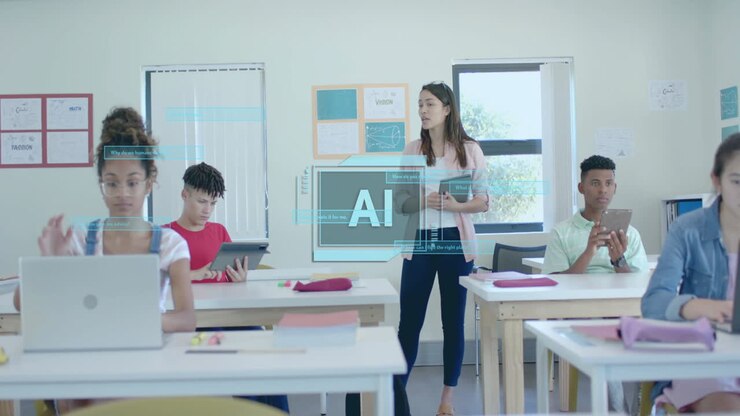
Picture this: Your school adopts a slick AI tutor. It tracks every wrong answer, every pause. Great for lessons, scary for privacy. Data like names, ages, even emotional cues gets sucked in. If the platform skimps on security, hackers snag it easy. I've talked to admins who lost sleep after breaches hit similar schools—personal info sold on dark web spots.
Don't forget everyday slips. A rushed teacher pastes class lists into an unvetted app. Boom, data drifts. Platforms sometimes "anonymize" poorly, letting patterns reveal kids. Map your data flow first: What does each tool touch? Awareness flips panic to power.
Key Takeaway: Facing risks head-on builds your defense game.
Craft Ironclad School Rules
Rules aren't paperwork—they're lifelines. Draft a straightforward policy: Which data stays in-house? How long before delete? Make it parent-friendly, with examples like "No sharing homework pics online." Roll it out at open house, snag consents on spot.
Staff get checklists: Pause before AI login, double-check sharing toggles. I remember a principal who laminated these for desks—game-changer. Update post every tool trial. Test with scenarios: "App wants behavior notes—approved?" Strong rules mean fewer "oops" moments.
Parents feel in the loop, kids stay safe. It's the foundation that lets AI shine without shadows.
Key Takeaway: Clear rules guide everyone, cutting confusion clean.
Hunt tools like you'd pick a babysitter—references matter. Demand encryption that locks data tight, server options under your roof. Skip any that train on your kids' info; that's a hard pass. Probe demos: "Show me your breach playbook."
Trial small: One grade level, two weeks. Note glitches, like surprise data exports. Certifications? Nice bonus, but verify independently. I've seen schools ditch flashy freebies for reliable paid ones—worth every penny when grades stay private.
Budget for control features, like instant wipes. Right pick means AI boosts learning, not leaks.
Key Takeaway: Trusted tools match excitement with safety.
Train Your Team Hands-On
Forget dry videos; training sticks when it's alive. Stage fake crises: "Email claims your AI account's hacked—click?" Staff laughs, then learns. Drill two-factor logins, the phone ping that stops 90% of break-ins. Rotate sessions seasonally.
Extend to parents: Evening workshop with demos. Kids? Fun assemblies: "AI's your sidekick, data's your secret." One school I know slashed errors after pizza trainings—folks actually showed. Refreshers via emails keep it fresh.
Empowered people spot dangers daily. It's the human firewall AI needs.
Key Takeaway: Skilled teams turn training into instinct.
Lock It Down with Smart Tech
Tech's your silent guard. Firewalls zap outsider probes; auto-updates seal cracks overnight. Role limits shine: Janes sees her class only. Audit trails log every peek—scan them over lunch.
Mask identities: AI analyzes "Kid-47," not "Sara Smith."
Single sign-on streamlines, secures logins across apps.
Antivirus vets uploads; encrypted backups save the day. Annual drills confirm restores work. Layer these, and breaches bounce off. Pair with human vigilance for unbeatable combo. Schools doing this report zero major slips.
Key Takeaway: Tech layers create no-entry zones.
Stay Sharp with Constant Checks
Vigilance beats surprises. Dashboards ping weirdness: Bulk downloads at odd hours? Investigate. Monthly log huddles spot patterns. Tip hotline invites "gut feel" reports—no judgment.
Breach drill: Notify fast, contain quick. Post-mortems sharpen rules. I chatted with an IT lead who caught a rogue app this way—saved a headache. Community updates build calm: "We blocked 30 tries this month."
Steady eyes keep AI humming safely. It's routine that pays off big.
Key Takeaway: Monitoring turns watchfulness into prevention.
Build a School-Wide Safety Net
Solo efforts flop; teams thrive. Appoint a data squad—teacher, techie, parent, student voice. Monthly pow-wows tweak AI habits. Share victories: "New filter stopped leaks cold."
Kid chats foster care: "Guard your digital backpack." Newsletters keep parents posted, questions welcomed. I've witnessed unity transform wary schools into AI pros—trust skyrockets.
Whole-community buy-in sustains protection long-term. Everyone wins.
Key Takeaway: Collective strength shields every student.
Respond Fast and Learn Always
Incidents happen—plan wins. Response kit: Isolate, assess, alert families plainly. "We're fixing; here's why safe." Follow with upgrades. A school near me bounced back stronger post-slip, policy tighter.
Feedback loops shine: Anonymous surveys post-event. Celebrate fixes publicly. This mindset evolves your setup yearly. Fast response plus lessons learned? Unbreakable resilience.
Key Takeaway: Quick fixes fuel smarter tomorrows.
Make Privacy Part of the Culture
Embed safety in daily rhythm. Badges for "data heroes," shoutouts in staff rooms. Integrate into curriculum: Lessons on digital footprints. Parents' nights demo safe AI in action.
Culture shift happens slow, sticks forever. Schools I've visited with this vibe use AI freely, worry-free. It's the glue binding all steps.
Key Takeaway: Culture makes protection effortless.
Final Thoughts on Safe AI Wins
These moves let schools harness AI's power minus pitfalls. Pick one today—start auditing tools. Watch learning soar, trust deepen. Student data protection when using AI platforms? You've got this.
Frequently Asked Questions
1. How do I start mapping data in my school?
List every AI tool, note what it collects (e.g., quizzes, attendance). Chart flows on paper. Involve teachers for accuracy—takes an afternoon.
2. What's the biggest red flag in AI tools?
Data used for their training. Always ask; walk if yes. Look for clear "no-share" promises instead.
3. How to train busy staff without burnout?
Short bursts: 10-minute weekly tips via email or Slack. Gamify with prizes for quiz wins.
4. Can kids help protect their own data?
Absolutely—teach simple rules like "Don't share pics in apps." Age 8+ grasp it with stories.
5. What if our budget's tight for premium tools?
Prioritize open-source locals or negotiate school deals. Free trials reveal gems without commitment.
Read Also : Masters 2026 Predictions: Why Scottie Scheffler and Rory McIlroy Lead the Field?
 Rajesh Kumar
I've seen schools light up with AI tools—kids acing math, teachers freed from grunt work. But I've also watched data nightmares unfold: leaked grades, stalked profiles. Protecting student data when using AI platforms isn't optional. It's about smart choices that keep the magic without the mess. Let's walk through real ways to do it, step by step, like chatting over coffee.
Know What You're Up Against
Picture this: Your school adopts a slick AI tutor. It tracks every wrong answer, every pause. Great for lessons, scary for privacy. Data like names, ages, even emotional cues gets sucked in. If the platform skimps on security, hackers snag it easy. I've talked to admins who lost sleep after breaches hit similar schools—personal info sold on dark web spots.
Don't forget everyday slips. A rushed teacher pastes class lists into an unvetted app. Boom, data drifts. Platforms sometimes "anonymize" poorly, letting patterns reveal kids. Map your data flow first: What does each tool touch? Awareness flips panic to power.
Key Takeaway: Facing risks head-on builds your defense game.
Craft Ironclad School Rules
Rules aren't paperwork—they're lifelines. Draft a straightforward policy: Which data stays in-house? How long before delete? Make it parent-friendly, with examples like "No sharing homework pics online." Roll it out at open house, snag consents on spot.
Staff get checklists: Pause before AI login, double-check sharing toggles. I remember a principal who laminated these for desks—game-changer. Update post every tool trial. Test with scenarios: "App wants behavior notes—approved?" Strong rules mean fewer "oops" moments.
Parents feel in the loop, kids stay safe. It's the foundation that lets AI shine without shadows.
Key Takeaway: Clear rules guide everyone, cutting confusion clean.
Choose Tools That Earn Trust
Hunt tools like you'd pick a babysitter—references matter. Demand encryption that locks data tight, server options under your roof. Skip any that train on your kids' info; that's a hard pass. Probe demos: "Show me your breach playbook."
Trial small: One grade level, two weeks. Note glitches, like surprise data exports. Certifications? Nice bonus, but verify independently. I've seen schools ditch flashy freebies for reliable paid ones—worth every penny when grades stay private.
Budget for control features, like instant wipes. Right pick means AI boosts learning, not leaks.
Key Takeaway: Trusted tools match excitement with safety.
Train Your Team Hands-On
Forget dry videos; training sticks when it's alive. Stage fake crises: "Email claims your AI account's hacked—click?" Staff laughs, then learns. Drill two-factor logins, the phone ping that stops 90% of break-ins. Rotate sessions seasonally.
Extend to parents: Evening workshop with demos. Kids? Fun assemblies: "AI's your sidekick, data's your secret." One school I know slashed errors after pizza trainings—folks actually showed. Refreshers via emails keep it fresh.
Empowered people spot dangers daily. It's the human firewall AI needs.
Key Takeaway: Skilled teams turn training into instinct.
Lock It Down with Smart Tech
Tech's your silent guard. Firewalls zap outsider probes; auto-updates seal cracks overnight. Role limits shine: Janes sees her class only. Audit trails log every peek—scan them over lunch.
Mask identities: AI analyzes "Kid-47," not "Sara Smith."
Single sign-on streamlines, secures logins across apps.
Antivirus vets uploads; encrypted backups save the day. Annual drills confirm restores work. Layer these, and breaches bounce off. Pair with human vigilance for unbeatable combo. Schools doing this report zero major slips.
Key Takeaway: Tech layers create no-entry zones.
Stay Sharp with Constant Checks
Vigilance beats surprises. Dashboards ping weirdness: Bulk downloads at odd hours? Investigate. Monthly log huddles spot patterns. Tip hotline invites "gut feel" reports—no judgment.
Breach drill: Notify fast, contain quick. Post-mortems sharpen rules. I chatted with an IT lead who caught a rogue app this way—saved a headache. Community updates build calm: "We blocked 30 tries this month."
Steady eyes keep AI humming safely. It's routine that pays off big.
Key Takeaway: Monitoring turns watchfulness into prevention.
Build a School-Wide Safety Net
Solo efforts flop; teams thrive. Appoint a data squad—teacher, techie, parent, student voice. Monthly pow-wows tweak AI habits. Share victories: "New filter stopped leaks cold."
Kid chats foster care: "Guard your digital backpack." Newsletters keep parents posted, questions welcomed. I've witnessed unity transform wary schools into AI pros—trust skyrockets.
Whole-community buy-in sustains protection long-term. Everyone wins.
Key Takeaway: Collective strength shields every student.
Respond Fast and Learn Always
Incidents happen—plan wins. Response kit: Isolate, assess, alert families plainly. "We're fixing; here's why safe." Follow with upgrades. A school near me bounced back stronger post-slip, policy tighter.
Feedback loops shine: Anonymous surveys post-event. Celebrate fixes publicly. This mindset evolves your setup yearly. Fast response plus lessons learned? Unbreakable resilience.
Key Takeaway: Quick fixes fuel smarter tomorrows.
Make Privacy Part of the Culture
Embed safety in daily rhythm. Badges for "data heroes," shoutouts in staff rooms. Integrate into curriculum: Lessons on digital footprints. Parents' nights demo safe AI in action.
Culture shift happens slow, sticks forever. Schools I've visited with this vibe use AI freely, worry-free. It's the glue binding all steps.
Key Takeaway: Culture makes protection effortless.
Final Thoughts on Safe AI Wins
These moves let schools harness AI's power minus pitfalls. Pick one today—start auditing tools. Watch learning soar, trust deepen. Student data protection when using AI platforms? You've got this.
Frequently Asked Questions
1. How do I start mapping data in my school?
List every AI tool, note what it collects (e.g., quizzes, attendance). Chart flows on paper. Involve teachers for accuracy—takes an afternoon.
2. What's the biggest red flag in AI tools?
Data used for their training. Always ask; walk if yes. Look for clear "no-share" promises instead.
3. How to train busy staff without burnout?
Short bursts: 10-minute weekly tips via email or Slack. Gamify with prizes for quiz wins.
4. Can kids help protect their own data?
Absolutely—teach simple rules like "Don't share pics in apps." Age 8+ grasp it with stories.
5. What if our budget's tight for premium tools?
Prioritize open-source locals or negotiate school deals. Free trials reveal gems without commitment.
Read Also : Masters 2026 Predictions: Why Scottie Scheffler and Rory McIlroy Lead the Field?