How do you incorporate social emotional learning in your lessons? Social Emotional Learning (SEL) is important in classrooms today. It helps students manage emotions. It teaches empathy. It builds strong relationships.
It improves decision-making. Education is made holistic when SEL is included in lessons. In 2025, SEL is trending worldwide. Schools, teachers, and parents are asking how it can be included in daily learning.
What Is Social Emotional Learning?
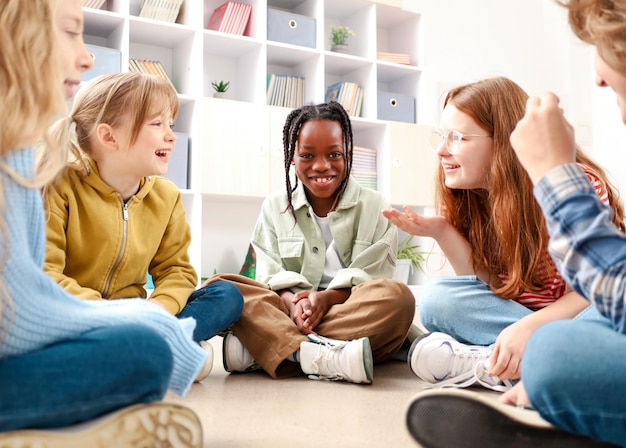
Social Emotional Learning is a process. Emotions are understood. Feelings are managed. Goals are set. Positive relationships are developed. Responsible decisions are made. Core skills of SEL are:
When SEL is added to lessons, children learn life skills along with academics.
Why SEL Is Needed in Lessons?
A classroom with SEL becomes more positive and safe. Students feel valued. Learning outcomes improve.
Simple Ways to Incorporate SEL in Lessons

1. Morning Check-Ins: At the start of the day, students can be asked how they feel. A chart or emoji card can be used. Feelings are shared in a safe way. Teachers can adjust lessons according to mood.
Related Article: Can a non US citizen get Social Security benefits?
2. Group Activities: Projects and discussions in groups are effective. Roles are shared. Respect is practiced. Listening skills are improved. Team bonding is created.
3. Mindfulness Moments: Short breathing or meditation breaks can be added. Calmness is encouraged. Focus is improved. Stress is reduced.
4. Storytelling: Stories are powerful tools. Characters’ emotions are discussed. Students relate to them. Values like kindness, honesty, and patience are reinforced.
5. Role-Playing: Students act in different roles. Empathy is built. Problem-solving is practiced. Social skills are strengthened.
6. Reflection Journals: Journals are given. Feelings, challenges, and achievements are written. Self-awareness is developed.
7. Positive Feedback: Encouragement is given. Mistakes are treated as opportunities. Confidence is boosted.
Technology and SEL
In 2025, technology has been linked with SEL. Apps and AI tools are used to track emotions. Virtual classrooms include mood polls. Online platforms are offering SEL games. Digital whiteboards are used for collaborative SEL activities.
EdTech companies have launched tools where students can share reflections. Teachers are guided by AI to adjust lesson tone. This trend is growing fast.
Recent Trends in SEL
AI-Powered Tools: Google Gemini and other AI apps are being used to add emotion-sensitive features in learning platforms. Teachers are using these to personalize lessons.
Read Also: How would you develop a social media strategy for a new brand?
Gamified SEL: Games with empathy, problem-solving, and cooperation themes are popular.
Hybrid SEL Models: Both online and offline SEL methods are being blended.
Teacher Training: Workshops are provided to educators. They are taught how to integrate SEL naturally.
Policy Support: Many education boards are including SEL in official curriculum guidelines.
Benefits of SEL in Lessons
Both teachers and students benefit when SEL is practiced.
Challenges in Adding SEL
Still, these challenges can be overcome with planning and support.
How Teachers Can Start Easily?
Collaborate with parents. Encourage SEL practices at home too.
The Future of SEL in Education
SEL will continue to grow. By 2030, SEL is expected to be part of every school curriculum worldwide. With AI tools, data on emotions will guide lesson planning. Mental health will be linked with SEL more strongly. Communities will join in SEL programs. Education will not remain only academic. Social and emotional skills will be valued equally.
Conclusion
Social Emotional Learning must be part of every lesson. It supports emotional growth. It creates strong relationships. It improves results. Methods like check-ins, storytelling, role-play, and mindfulness are simple but powerful.
Recent trends show that AI, gamification, and policy changes are helping SEL spread fast. Challenges remain, but benefits are clear. In classrooms where SEL is included, students feel safe, respected, and motivated. Incorporating SEL is not extra work. It is smart teaching. It shapes students not only as learners but also as good human beings.
Read Also : What are the most effective beauty hacks for extremely busy mornings to save time?
 Christina Berglund
How do you incorporate social emotional learning in your lessons? Social Emotional Learning (SEL) is important in classrooms today. It helps students manage emotions. It teaches empathy. It builds strong relationships.
It improves decision-making. Education is made holistic when SEL is included in lessons. In 2025, SEL is trending worldwide. Schools, teachers, and parents are asking how it can be included in daily learning.
What Is Social Emotional Learning?
Social Emotional Learning is a process. Emotions are understood. Feelings are managed. Goals are set. Positive relationships are developed. Responsible decisions are made. Core skills of SEL are:
When SEL is added to lessons, children learn life skills along with academics.
Why SEL Is Needed in Lessons?
A classroom with SEL becomes more positive and safe. Students feel valued. Learning outcomes improve.
Simple Ways to Incorporate SEL in Lessons
1. Morning Check-Ins: At the start of the day, students can be asked how they feel. A chart or emoji card can be used. Feelings are shared in a safe way. Teachers can adjust lessons according to mood.
Related Article: Can a non US citizen get Social Security benefits?
2. Group Activities: Projects and discussions in groups are effective. Roles are shared. Respect is practiced. Listening skills are improved. Team bonding is created.
3. Mindfulness Moments: Short breathing or meditation breaks can be added. Calmness is encouraged. Focus is improved. Stress is reduced.
4. Storytelling: Stories are powerful tools. Characters’ emotions are discussed. Students relate to them. Values like kindness, honesty, and patience are reinforced.
5. Role-Playing: Students act in different roles. Empathy is built. Problem-solving is practiced. Social skills are strengthened.
6. Reflection Journals: Journals are given. Feelings, challenges, and achievements are written. Self-awareness is developed.
7. Positive Feedback: Encouragement is given. Mistakes are treated as opportunities. Confidence is boosted.
Technology and SEL
In 2025, technology has been linked with SEL. Apps and AI tools are used to track emotions. Virtual classrooms include mood polls. Online platforms are offering SEL games. Digital whiteboards are used for collaborative SEL activities.
EdTech companies have launched tools where students can share reflections. Teachers are guided by AI to adjust lesson tone. This trend is growing fast.
Recent Trends in SEL
AI-Powered Tools: Google Gemini and other AI apps are being used to add emotion-sensitive features in learning platforms. Teachers are using these to personalize lessons.
Read Also: How would you develop a social media strategy for a new brand?
Gamified SEL: Games with empathy, problem-solving, and cooperation themes are popular.
Hybrid SEL Models: Both online and offline SEL methods are being blended.
Teacher Training: Workshops are provided to educators. They are taught how to integrate SEL naturally.
Policy Support: Many education boards are including SEL in official curriculum guidelines.
Benefits of SEL in Lessons
Both teachers and students benefit when SEL is practiced.
Challenges in Adding SEL
Still, these challenges can be overcome with planning and support.
How Teachers Can Start Easily?
Collaborate with parents. Encourage SEL practices at home too.
The Future of SEL in Education
SEL will continue to grow. By 2030, SEL is expected to be part of every school curriculum worldwide. With AI tools, data on emotions will guide lesson planning. Mental health will be linked with SEL more strongly. Communities will join in SEL programs. Education will not remain only academic. Social and emotional skills will be valued equally.
Conclusion
Social Emotional Learning must be part of every lesson. It supports emotional growth. It creates strong relationships. It improves results. Methods like check-ins, storytelling, role-play, and mindfulness are simple but powerful.
Recent trends show that AI, gamification, and policy changes are helping SEL spread fast. Challenges remain, but benefits are clear. In classrooms where SEL is included, students feel safe, respected, and motivated. Incorporating SEL is not extra work. It is smart teaching. It shapes students not only as learners but also as good human beings.
Read Also : What are the most effective beauty hacks for extremely busy mornings to save time?