Over the years, Donald Trump has faced numerous allegations of sexual misconduct, ranging from unwanted advances to serious accusations of assault. His responses have evolved, often involving outright denials, attacks on accusers' credibility, and claims of political motivation behind the allegations. This blog delves into the timeline of these allegations and Trump's corresponding reactions.
Read Also: Donald Trump’s Affairs: A Look at the Controversies and Allegations
Early Allegations and Initial Responses
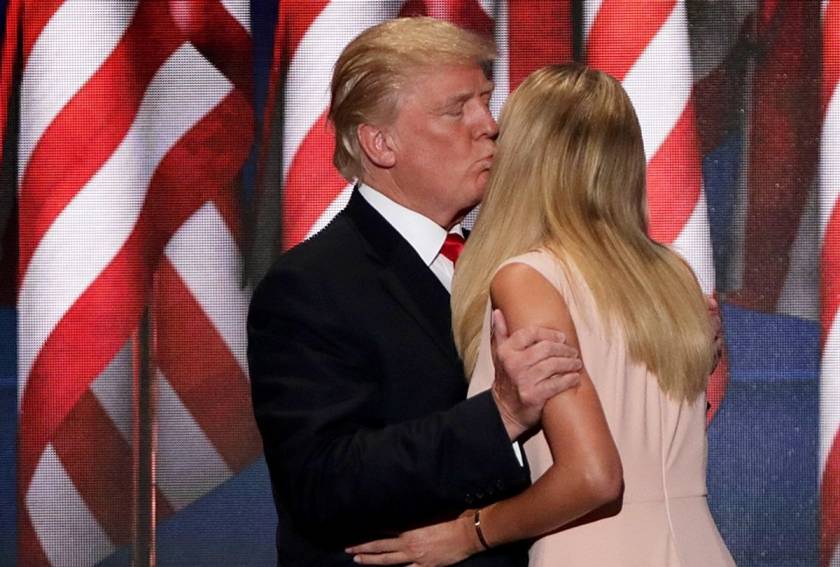
The earliest public allegations against Trump date back to the 1990s. In 1997, Jill Harth filed a lawsuit alleging that Trump groped her and engaged in "relentless" sexual harassment. Trump and his legal team denied these claims, and the lawsuit was eventually withdrawn.
In 2005, during an interview on "The Howard Stern Show," Trump boasted about walking into dressing rooms of beauty pageants he owned, stating he could get away with it because he was the owner. These comments resurfaced during his 2016 presidential campaign, adding to the scrutiny of his behavior toward women.
The "Access Hollywood" Tape and Its Fallout
In October 2016, just weeks before the presidential election, The Washington Post released a 2005 recording in which Trump was heard making lewd comments about women, including the infamous line: "Grab 'em by the pussy." Trump dismissed the remarks as "locker room talk" and apologized, stating, "I've said and done things I regret."
Following the tape's release, multiple women came forward with allegations of sexual misconduct against Trump. He responded by categorically denying all accusations, labeling them as "false smears" and suggesting they were politically motivated attacks orchestrated by his opponents.
You May Also Like: Who are the two women at the center of the alleged affairs involving Donald Trump?
Notable Accusations and Trump's Rebuttals
Several women have publicly accused Trump of inappropriate behavior:
Jessica Leeds: Alleged that Trump groped her on a flight in the early 1980s. Trump dismissed her claims, stating they were fabricated and questioning the practicality of such an incident occurring in a public setting.
Rachel Crooks: Claimed that Trump kissed her without consent in 2005. Trump denied the allegation, asserting he did not know her and suggesting political motivations behind her claim.
Natasha Stoynoff: Accused Trump of forcibly kissing her during an interview at Mar-a-Lago in 2005. Trump labeled her story as a "total lie" and questioned her credibility.
In each case, Trump's strategy involved denying the allegations, attacking the accusers' credibility, and suggesting ulterior motives.
Legal Challenges and Court Rulings
In recent years, Trump has faced legal consequences related to some of these allegations. Notably, in a civil lawsuit brought by writer E. Jean Carroll, a jury found Trump liable for sexually abusing her in the 1990s and awarded her $5 million in damages. Trump has vehemently denied the allegations and is appealing the verdict.
Despite the legal setbacks, Trump continues to maintain his innocence and portrays himself as a victim of political persecution.
Must Read: How the Trump Travel Ban Shaped U.S. Foreign Relations?
Association with Jeffrey Epstein

Trump's past association with convicted sex offender Jeffrey Epstein has also drawn scrutiny. The two were known to be friends in the 1980s and 1990s, with Trump appearing in Epstein's flight logs between 1993 and 1997. However, Trump has denied any wrongdoing and stated he was unaware of Epstein's criminal activities. Recent document releases have not provided conclusive evidence linking Trump directly to Epstein's crimes.
Public Perception and Political Implications
Trump's handling of sexual misconduct allegations has had a polarizing effect on public opinion. While his supporters often dismiss the claims as politically motivated attacks, critics argue that his responses reflect a pattern of dismissiveness toward serious accusations. The allegations and Trump's reactions have become a recurring theme in political discourse, influencing voter perceptions and campaign narratives.
Conclusion
Over the years, Donald Trump's responses to allegations of sexual misconduct have followed a consistent pattern: denial, counter-accusation, and claims of political motivation. While some legal proceedings have resulted in unfavorable outcomes for Trump, he continues to assert his innocence and frames the allegations as part of a broader political conspiracy against him. As Trump remains a prominent figure in American politics, the discourse surrounding these allegations and his responses will likely continue to shape public opinion and political dynamics.
 Thomas Hardy
Over the years, Donald Trump has faced numerous allegations of sexual misconduct, ranging from unwanted advances to serious accusations of assault. His responses have evolved, often involving outright denials, attacks on accusers' credibility, and claims of political motivation behind the allegations. This blog delves into the timeline of these allegations and Trump's corresponding reactions.
Read Also: Donald Trump’s Affairs: A Look at the Controversies and Allegations
Early Allegations and Initial Responses
The earliest public allegations against Trump date back to the 1990s. In 1997, Jill Harth filed a lawsuit alleging that Trump groped her and engaged in "relentless" sexual harassment. Trump and his legal team denied these claims, and the lawsuit was eventually withdrawn.
In 2005, during an interview on "The Howard Stern Show," Trump boasted about walking into dressing rooms of beauty pageants he owned, stating he could get away with it because he was the owner. These comments resurfaced during his 2016 presidential campaign, adding to the scrutiny of his behavior toward women.
The "Access Hollywood" Tape and Its Fallout
In October 2016, just weeks before the presidential election, The Washington Post released a 2005 recording in which Trump was heard making lewd comments about women, including the infamous line: "Grab 'em by the pussy." Trump dismissed the remarks as "locker room talk" and apologized, stating, "I've said and done things I regret."
Following the tape's release, multiple women came forward with allegations of sexual misconduct against Trump. He responded by categorically denying all accusations, labeling them as "false smears" and suggesting they were politically motivated attacks orchestrated by his opponents.
You May Also Like: Who are the two women at the center of the alleged affairs involving Donald Trump?
Notable Accusations and Trump's Rebuttals
Several women have publicly accused Trump of inappropriate behavior:
Jessica Leeds: Alleged that Trump groped her on a flight in the early 1980s. Trump dismissed her claims, stating they were fabricated and questioning the practicality of such an incident occurring in a public setting.
Rachel Crooks: Claimed that Trump kissed her without consent in 2005. Trump denied the allegation, asserting he did not know her and suggesting political motivations behind her claim.
Natasha Stoynoff: Accused Trump of forcibly kissing her during an interview at Mar-a-Lago in 2005. Trump labeled her story as a "total lie" and questioned her credibility.
In each case, Trump's strategy involved denying the allegations, attacking the accusers' credibility, and suggesting ulterior motives.
Legal Challenges and Court Rulings
In recent years, Trump has faced legal consequences related to some of these allegations. Notably, in a civil lawsuit brought by writer E. Jean Carroll, a jury found Trump liable for sexually abusing her in the 1990s and awarded her $5 million in damages. Trump has vehemently denied the allegations and is appealing the verdict.
Despite the legal setbacks, Trump continues to maintain his innocence and portrays himself as a victim of political persecution.
Must Read: How the Trump Travel Ban Shaped U.S. Foreign Relations?
Association with Jeffrey Epstein
Trump's past association with convicted sex offender Jeffrey Epstein has also drawn scrutiny. The two were known to be friends in the 1980s and 1990s, with Trump appearing in Epstein's flight logs between 1993 and 1997. However, Trump has denied any wrongdoing and stated he was unaware of Epstein's criminal activities. Recent document releases have not provided conclusive evidence linking Trump directly to Epstein's crimes.
Public Perception and Political Implications
Trump's handling of sexual misconduct allegations has had a polarizing effect on public opinion. While his supporters often dismiss the claims as politically motivated attacks, critics argue that his responses reflect a pattern of dismissiveness toward serious accusations. The allegations and Trump's reactions have become a recurring theme in political discourse, influencing voter perceptions and campaign narratives.
Conclusion
Over the years, Donald Trump's responses to allegations of sexual misconduct have followed a consistent pattern: denial, counter-accusation, and claims of political motivation. While some legal proceedings have resulted in unfavorable outcomes for Trump, he continues to assert his innocence and frames the allegations as part of a broader political conspiracy against him. As Trump remains a prominent figure in American politics, the discourse surrounding these allegations and his responses will likely continue to shape public opinion and political dynamics.