How To Prepare For Online Exams At Home? Taking online exams at home sounds easy, but it can trip you up if you're not ready. Picture this: your screen freezes mid-question, or the neighbor's dog starts barking right when you're deep in concentration. I've been there myself, back when I juggled college tests from my tiny apartment. Heart racing, wishing I'd planned better. But here's the thing—you can flip that script. This guide pulls from those real moments, plus what I've seen work for friends and students over years. We'll cover everything from carving out your space to nailing the final click. No fluff, just steps that stick. By the end, home exam prep will feel like second nature, and you'll walk away confident. Let's get into it.
Create the Perfect Study Space
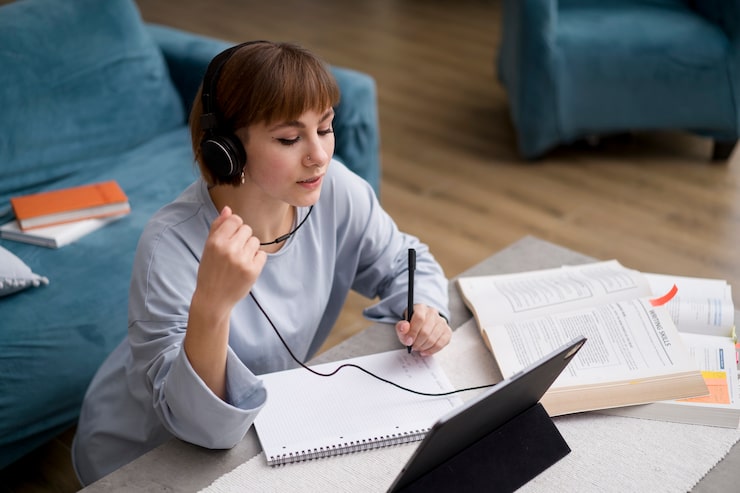
Your study spot isn't just a desk—it's your command center. Start by scouting your home for the quietest nook. Maybe that corner by the window in the living room, far from the kitchen clatter where siblings raid snacks. Clear every inch: toss old mail, shove toys aside. What stays? Your laptop front and center, a notepad for scribbles, and a tall glass of water to sip without breaking flow. Lighting changes everything. Harsh overhead bulbs give headaches; soft daylight or a adjustable lamp keeps eyes happy for hours. I once studied under a single bulb and ended up with a migraine—lesson learned. Angle your screen to cut glare, and face away from doors so footsteps don't pull you out.
Chair choice matters more than you think. That wobbly stool? Ditch it for something with a straight back and footrest if you can rig one. Sink into bed for "quick reviews," and watch productivity tank. Feet flat on the floor, posture tall—small tweaks for big stamina. Tech setup seals the deal. Run speed tests daily; anything under 10 Mbps screams trouble for video proctoring. Hotspot your phone as backup, and keep cords untangled. Print a cheat sheet of login details—paper beats forgotten passwords.
Add personal flair to fight boredom. A favorite mug, that plant you keep forgetting to water, or a motivational sticky note like "One question at a time." It turns sterile into yours. But here's where many slip: noise. Earplugs or white noise apps drown out lawnmowers or laundry. Test during peak family hours to mimic exam chaos. Daily ritual: five minutes to reset. Wipe desk, align items. Your brain cues "go time." I did this religiously before my last big test, and it shaved off startup stress. Expand the zone if needed. Whiteboard for quick sketches, or a second screen for notes. Clutter-free means mind-free. Friends laugh, but I even scented my space with lemon—sharp citrus wakes the senses. Experiment; find your groove. Bottom line: this space evolves with you. Tweak as prep deepens, and it'll carry you through online exams like a pro setup. No distractions, pure focus.
Read: What is the entrance exam for Entrepreneurship?
Build a Solid Daily Schedule
Without a schedule, days blur into "I'll study later" regrets. Grab a calendar or app and plot it out. Note every exam date in bold—say, history on Friday, math the next week. Reverse-engineer: how many days to cover syllabus? Divide evenly, padding extras for review. Wake at dawn if you're a morning person; I crack 6:30 AM with coffee brewing. First hour? Light stuff like vocabulary to warm up. Prime slot: 8-10 AM when your mind's fresh—no emails yet.
Chunk it smart. 50 minutes study, 10-minute wander. Stand, shake limbs, stare out window. Back sharper. Lunch at noon: real food, not chips. Afternoon dip? Power through history till 3 PM, then snack break. Rotate subjects like a playlist. Heavy math mornings, lighter reading evenings. Avoid back-to-back brain burners; mix keeps energy up.
Gather and Organize Your Study Materials
Master Effective Study Techniques
You May Also Like: What is an example sentence for muscular endurance?
Prioritize Health and Beat Stress
Daily health boosters:
Morning stretch: 5 poses, blood pumping.
Nut snack: almonds crush hunger.
Evening unwind: herbal tea ritual.
Mocks mimic pressure. First flop? Normal. Analyze, rebuild. Social lifeline: chat progress with pal. "I got 80%!" shares joy. Eyes strain? 20-20-20 rule: every 20 min, 20 feet away 20 seconds. Laughter lightens: funny pet video break.
Layer these; health snowballs success. Tired you fumbles clicks—vital you crushes home exams.
Tech Setup and Test Day Strategies
Tackle Common Challenges Head-On
Wrap Up with Review and Reflection
Frequently Asked Questions
How long before exams should I start prepping?
Two weeks minimum for solid grasp, four for heavy subjects. Daily chunks prevent crams.
What if my internet fails during the test?
Have mobile hotspot ready, inform proctor early. Platforms often extend grace.
How do I stay motivated at home?
Set micro-goals with rewards, track progress visually. Study buddies via call help.
Can I eat or drink during online exams?
Check rules—water usually ok, no noisy snacks. Prep quiet fuel before.
What to do if I blank on a question?
Flag it, move on. Return fresh. Partial credit beats zero.
 Tove Svendson
How To Prepare For Online Exams At Home? Taking online exams at home sounds easy, but it can trip you up if you're not ready. Picture this: your screen freezes mid-question, or the neighbor's dog starts barking right when you're deep in concentration. I've been there myself, back when I juggled college tests from my tiny apartment. Heart racing, wishing I'd planned better. But here's the thing—you can flip that script. This guide pulls from those real moments, plus what I've seen work for friends and students over years. We'll cover everything from carving out your space to nailing the final click. No fluff, just steps that stick. By the end, home exam prep will feel like second nature, and you'll walk away confident. Let's get into it.
Create the Perfect Study Space
Your study spot isn't just a desk—it's your command center. Start by scouting your home for the quietest nook. Maybe that corner by the window in the living room, far from the kitchen clatter where siblings raid snacks. Clear every inch: toss old mail, shove toys aside. What stays? Your laptop front and center, a notepad for scribbles, and a tall glass of water to sip without breaking flow. Lighting changes everything. Harsh overhead bulbs give headaches; soft daylight or a adjustable lamp keeps eyes happy for hours. I once studied under a single bulb and ended up with a migraine—lesson learned. Angle your screen to cut glare, and face away from doors so footsteps don't pull you out.
Chair choice matters more than you think. That wobbly stool? Ditch it for something with a straight back and footrest if you can rig one. Sink into bed for "quick reviews," and watch productivity tank. Feet flat on the floor, posture tall—small tweaks for big stamina. Tech setup seals the deal. Run speed tests daily; anything under 10 Mbps screams trouble for video proctoring. Hotspot your phone as backup, and keep cords untangled. Print a cheat sheet of login details—paper beats forgotten passwords.
Add personal flair to fight boredom. A favorite mug, that plant you keep forgetting to water, or a motivational sticky note like "One question at a time." It turns sterile into yours. But here's where many slip: noise. Earplugs or white noise apps drown out lawnmowers or laundry. Test during peak family hours to mimic exam chaos. Daily ritual: five minutes to reset. Wipe desk, align items. Your brain cues "go time." I did this religiously before my last big test, and it shaved off startup stress. Expand the zone if needed. Whiteboard for quick sketches, or a second screen for notes. Clutter-free means mind-free. Friends laugh, but I even scented my space with lemon—sharp citrus wakes the senses. Experiment; find your groove. Bottom line: this space evolves with you. Tweak as prep deepens, and it'll carry you through online exams like a pro setup. No distractions, pure focus.
Read: What is the entrance exam for Entrepreneurship?
Build a Solid Daily Schedule
Without a schedule, days blur into "I'll study later" regrets. Grab a calendar or app and plot it out. Note every exam date in bold—say, history on Friday, math the next week. Reverse-engineer: how many days to cover syllabus? Divide evenly, padding extras for review. Wake at dawn if you're a morning person; I crack 6:30 AM with coffee brewing. First hour? Light stuff like vocabulary to warm up. Prime slot: 8-10 AM when your mind's fresh—no emails yet.
Chunk it smart. 50 minutes study, 10-minute wander. Stand, shake limbs, stare out window. Back sharper. Lunch at noon: real food, not chips. Afternoon dip? Power through history till 3 PM, then snack break. Rotate subjects like a playlist. Heavy math mornings, lighter reading evenings. Avoid back-to-back brain burners; mix keeps energy up.
Gather and Organize Your Study Materials
Master Effective Study Techniques
You May Also Like: What is an example sentence for muscular endurance?
Prioritize Health and Beat Stress
Daily health boosters:
Morning stretch: 5 poses, blood pumping.
Nut snack: almonds crush hunger.
Evening unwind: herbal tea ritual.
Mocks mimic pressure. First flop? Normal. Analyze, rebuild. Social lifeline: chat progress with pal. "I got 80%!" shares joy. Eyes strain? 20-20-20 rule: every 20 min, 20 feet away 20 seconds. Laughter lightens: funny pet video break.
Layer these; health snowballs success. Tired you fumbles clicks—vital you crushes home exams.
Tech Setup and Test Day Strategies
Tackle Common Challenges Head-On
Wrap Up with Review and Reflection
Frequently Asked Questions
How long before exams should I start prepping?
Two weeks minimum for solid grasp, four for heavy subjects. Daily chunks prevent crams.
What if my internet fails during the test?
Have mobile hotspot ready, inform proctor early. Platforms often extend grace.
How do I stay motivated at home?
Set micro-goals with rewards, track progress visually. Study buddies via call help.
Can I eat or drink during online exams?
Check rules—water usually ok, no noisy snacks. Prep quiet fuel before.
What to do if I blank on a question?
Flag it, move on. Return fresh. Partial credit beats zero.