No, a player should not be dropped solely to make room for Vaibhav Suryavanshi in the playing XI, as team balance, match conditions, and current player form must always dictate selection over individual hype. While Suryavanshi possesses immense raw talent and immense potential as a rising star in Indian cricket, forcing him into a stable lineup disrupts the overall team chemistry. A cricket team wins matches through collective balance rather than individual reputations. Dropping an in-form player just to accommodate a young prodigy sends a negative message to the squad and can damage long-term team morale and consistency on the field.
The Rising Hype Around Vaibhav Suryavanshi
Indian cricket always produces incredible young talents who catch the eye of fans and selectors very early. Vaibhav Suryavanshi is the latest name making waves in the domestic cricket circuit with his aggressive batting style and remarkable maturity at a very young age. His recent performances in youth cricket have sparked intense debates among coaches, experts, and passionate cricket fans across the country. Everyone wants to see him play at the highest level as soon as possible.
However, the transition from junior cricket to the senior level requires careful management and patience. Introducing a young player too quickly into a high-pressure environment can sometimes backfire and hurt their long-term confidence. The excitement surrounding his talent is completely justified, but selectors must balance this enthusiasm with practical team management strategies to ensure his talent is nurtured properly over time.
Should the team reshuffle solely for Vaibhav Suryavanshi?
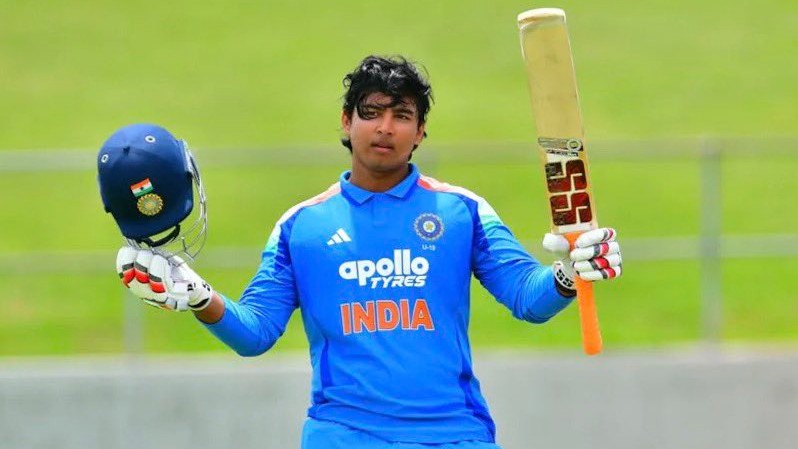
When we look at this burning question from a tactical perspective, the answer remains a definitive no. This choice involves much more than just swapping one batsman for another in the batting order. If a current player is performing well and fulfilling their specific role, removing them creates unnecessary friction within the squad.
Cricket selection requires a deep understanding of team dynamics and roles. You cannot simply drop a dependable middle-order batsman or a settled opening batsman just to fit in a new prodigy. Doing so alters the entire structure of the team and forces other players to adapt to new positions, which often lowers the overall performance of the side during crucial matches.
Evaluating Team Balance Over Individual Talent
A successful cricket team functions like a well-oiled machine where every single player has a specific role to play. If you break the balance of the team, the whole strategy collapses on the field. You need a mix of aggressive stroke-makers, steady anchors, and reliable all-rounders to win consistently.
+-------------------+-----------------------------------+
| Selection Factor  | Impact on Team Success            |
+-------------------+-----------------------------------+
| Current Form      | Ensures immediate match readiness |
| Team Balance      | Prevents gaps in batting/bowling  |
| Pitch Conditions  | Dictates the need for extra skill |
| Player Morale     | Builds trust within the dugout    |
+-------------------+-----------------------------------+
Replacing a player who provides bowling options or brilliant fielding skills with a pure batsman reduces the captain's options during tough situations. Vaibhav Suryavanshi might offer incredible explosive power at the crease, but the management must look at what the team loses when another player sits out on the bench.
The Importance of Earning a Place in the Indian Team Lineup
The Indian cricket team lineup is currently one of the most competitive spaces in international sports today. Established players spend years scoring thousands of runs in domestic tournaments like the Ranji Trophy to secure their spot in the national side. A culture of merit ensures that every individual values their position and performs under extreme pressure.
Gifting a spot in the starting eleven based purely on potential rather than sustained senior performance can hurt the integrity of the selection process. Young players must grind through the domestic ranks, face seasoned bowlers, and prove their readiness across different formats before they claim a permanent spot in the main squad.
You may also read :- What Were The Highlights Of The Mexico Vs South Korea Match?
Tactical Demands of the Modern Cricket Format
Modern cricket demands high versatility from every single player on the field. Teams no longer look at just batting averages when selecting their ideal combinations for big tournaments. Captains need top-order batsmen who can bowl a few overs of spin or shield-like defensive players who can steady the ship after a quick top-order collapse.
Analyzing the Batting Order Flexibility
Vaibhav Suryavanshi thrives best when he bats at the top of the order where he can utilize the powerplay overs effectively. If the current opening combination is already scoring heavy runs, moving them down the order to fit Suryavanshi hurts their natural game. Every position in the batting lineup requires a different mindset and approach.
Forcing a young player into an unfamiliar middle-order role just to get him into the game does not help the player or the team. It is always wiser to wait for a natural vacancy in his preferred batting position.
How Forced Changes Impact Team Morale and Chemistry
The atmosphere inside the dressing room plays a massive role in a team's success on the cricket field. When players feel secure about their spots, they express themselves freely and play selfless cricket for the country. Forced changes create an environment of fear and insecurity among the senior and junior players alike.
Imagine an experienced player who just scored a crucial half-century in the previous game getting dropped to make room for a rising star. This selection policy creates resentment and lowers the trust between the players and the team management. A healthy team culture rewards performance and consistency above media hype and public opinions.
Expert Opinions on Managing Young Cricket Prodigies
Legendary cricket coaches and former players always emphasize the importance of gradual integration for young athletes. Pushing a teenager into the deep end of senior cricket can expose minor technical flaws too early, giving opposition analysts easy ways to target them in future matches.
"A young player needs time to understand their own game before they face the intense scrutiny of international cricket. True management involves protecting them from the hype just as much as giving them opportunities." — Former National Selector
Allowing Suryavanshi to travel with the squad, participate in nets sessions, and learn from senior players represents a much better development path. This approach allows him to absorb the pressure of the big stage without the immediate burden of carrying the team's batting unit.
Better Alternatives for Integrating Vaibhav Suryavanshi
Instead of dropping a performing player from the main playing XI, team managements can use smarter strategies to give Suryavanshi the necessary exposure at the top level without risking team balance.
Utilizing Non-Critical Matches for Player Rotation
The best time to hand a debut to a young prospect is during bilateral series against lower-ranked teams or in dead-rubber matches where the series outcome is already decided. This strategy allows senior players to take a well-deserved rest while giving young talents a taste of international cricket without immense pressure.
Regular player rotation keeps the entire squad match-ready and prevents fatigue during long cricket seasons. This structured method ensures that Suryavanshi enters a relaxed environment where he can express his natural talent without worrying about losing his spot after one failure.
Frequently Asked Questions
Is Vaibhav Suryavanshi ready for senior international cricket right now?
Suryavanshi shows incredible potential, but he still needs to play more consistent matches in senior domestic cricket to refine his technique against high-quality bowling.
What is the main risk of dropping a senior player for a young talent?
The main risk involves disrupting the team balance and lowering squad morale, which can lead to poor performances in crucial tournament matches.
How does team management decide when a young player is ready?
Selectors look at consistent runs in domestic cricket, fitness levels, mental toughness, and how well the player adapts to different pitch conditions.
Can Vaibhav Suryavanshi play as a middle-order batsman?
He plays his best cricket as a top-order batsman. Forcing him into the middle order can limit his natural game and reduce his effectiveness on the field.
 Christina Berglund
No, a player should not be dropped solely to make room for Vaibhav Suryavanshi in the playing XI, as team balance, match conditions, and current player form must always dictate selection over individual hype. While Suryavanshi possesses immense raw talent and immense potential as a rising star in Indian cricket, forcing him into a stable lineup disrupts the overall team chemistry. A cricket team wins matches through collective balance rather than individual reputations. Dropping an in-form player just to accommodate a young prodigy sends a negative message to the squad and can damage long-term team morale and consistency on the field.
The Rising Hype Around Vaibhav Suryavanshi
Indian cricket always produces incredible young talents who catch the eye of fans and selectors very early. Vaibhav Suryavanshi is the latest name making waves in the domestic cricket circuit with his aggressive batting style and remarkable maturity at a very young age. His recent performances in youth cricket have sparked intense debates among coaches, experts, and passionate cricket fans across the country. Everyone wants to see him play at the highest level as soon as possible.
However, the transition from junior cricket to the senior level requires careful management and patience. Introducing a young player too quickly into a high-pressure environment can sometimes backfire and hurt their long-term confidence. The excitement surrounding his talent is completely justified, but selectors must balance this enthusiasm with practical team management strategies to ensure his talent is nurtured properly over time.
Should the team reshuffle solely for Vaibhav Suryavanshi?
When we look at this burning question from a tactical perspective, the answer remains a definitive no. This choice involves much more than just swapping one batsman for another in the batting order. If a current player is performing well and fulfilling their specific role, removing them creates unnecessary friction within the squad.
Cricket selection requires a deep understanding of team dynamics and roles. You cannot simply drop a dependable middle-order batsman or a settled opening batsman just to fit in a new prodigy. Doing so alters the entire structure of the team and forces other players to adapt to new positions, which often lowers the overall performance of the side during crucial matches.
Evaluating Team Balance Over Individual Talent
A successful cricket team functions like a well-oiled machine where every single player has a specific role to play. If you break the balance of the team, the whole strategy collapses on the field. You need a mix of aggressive stroke-makers, steady anchors, and reliable all-rounders to win consistently.
Replacing a player who provides bowling options or brilliant fielding skills with a pure batsman reduces the captain's options during tough situations. Vaibhav Suryavanshi might offer incredible explosive power at the crease, but the management must look at what the team loses when another player sits out on the bench.
The Importance of Earning a Place in the Indian Team Lineup
The Indian cricket team lineup is currently one of the most competitive spaces in international sports today. Established players spend years scoring thousands of runs in domestic tournaments like the Ranji Trophy to secure their spot in the national side. A culture of merit ensures that every individual values their position and performs under extreme pressure.
Gifting a spot in the starting eleven based purely on potential rather than sustained senior performance can hurt the integrity of the selection process. Young players must grind through the domestic ranks, face seasoned bowlers, and prove their readiness across different formats before they claim a permanent spot in the main squad.
You may also read :- What Were The Highlights Of The Mexico Vs South Korea Match?
Tactical Demands of the Modern Cricket Format
Modern cricket demands high versatility from every single player on the field. Teams no longer look at just batting averages when selecting their ideal combinations for big tournaments. Captains need top-order batsmen who can bowl a few overs of spin or shield-like defensive players who can steady the ship after a quick top-order collapse.
Analyzing the Batting Order Flexibility
Vaibhav Suryavanshi thrives best when he bats at the top of the order where he can utilize the powerplay overs effectively. If the current opening combination is already scoring heavy runs, moving them down the order to fit Suryavanshi hurts their natural game. Every position in the batting lineup requires a different mindset and approach.
Forcing a young player into an unfamiliar middle-order role just to get him into the game does not help the player or the team. It is always wiser to wait for a natural vacancy in his preferred batting position.
How Forced Changes Impact Team Morale and Chemistry
The atmosphere inside the dressing room plays a massive role in a team's success on the cricket field. When players feel secure about their spots, they express themselves freely and play selfless cricket for the country. Forced changes create an environment of fear and insecurity among the senior and junior players alike.
Imagine an experienced player who just scored a crucial half-century in the previous game getting dropped to make room for a rising star. This selection policy creates resentment and lowers the trust between the players and the team management. A healthy team culture rewards performance and consistency above media hype and public opinions.
Expert Opinions on Managing Young Cricket Prodigies
Legendary cricket coaches and former players always emphasize the importance of gradual integration for young athletes. Pushing a teenager into the deep end of senior cricket can expose minor technical flaws too early, giving opposition analysts easy ways to target them in future matches.
"A young player needs time to understand their own game before they face the intense scrutiny of international cricket. True management involves protecting them from the hype just as much as giving them opportunities." — Former National Selector
Allowing Suryavanshi to travel with the squad, participate in nets sessions, and learn from senior players represents a much better development path. This approach allows him to absorb the pressure of the big stage without the immediate burden of carrying the team's batting unit.
Better Alternatives for Integrating Vaibhav Suryavanshi
Instead of dropping a performing player from the main playing XI, team managements can use smarter strategies to give Suryavanshi the necessary exposure at the top level without risking team balance.
Utilizing Non-Critical Matches for Player Rotation
The best time to hand a debut to a young prospect is during bilateral series against lower-ranked teams or in dead-rubber matches where the series outcome is already decided. This strategy allows senior players to take a well-deserved rest while giving young talents a taste of international cricket without immense pressure.
Regular player rotation keeps the entire squad match-ready and prevents fatigue during long cricket seasons. This structured method ensures that Suryavanshi enters a relaxed environment where he can express his natural talent without worrying about losing his spot after one failure.
Frequently Asked Questions
Is Vaibhav Suryavanshi ready for senior international cricket right now?
Suryavanshi shows incredible potential, but he still needs to play more consistent matches in senior domestic cricket to refine his technique against high-quality bowling.
What is the main risk of dropping a senior player for a young talent?
The main risk involves disrupting the team balance and lowering squad morale, which can lead to poor performances in crucial tournament matches.
How does team management decide when a young player is ready?
Selectors look at consistent runs in domestic cricket, fitness levels, mental toughness, and how well the player adapts to different pitch conditions.
Can Vaibhav Suryavanshi play as a middle-order batsman?
He plays his best cricket as a top-order batsman. Forcing him into the middle order can limit his natural game and reduce his effectiveness on the field.