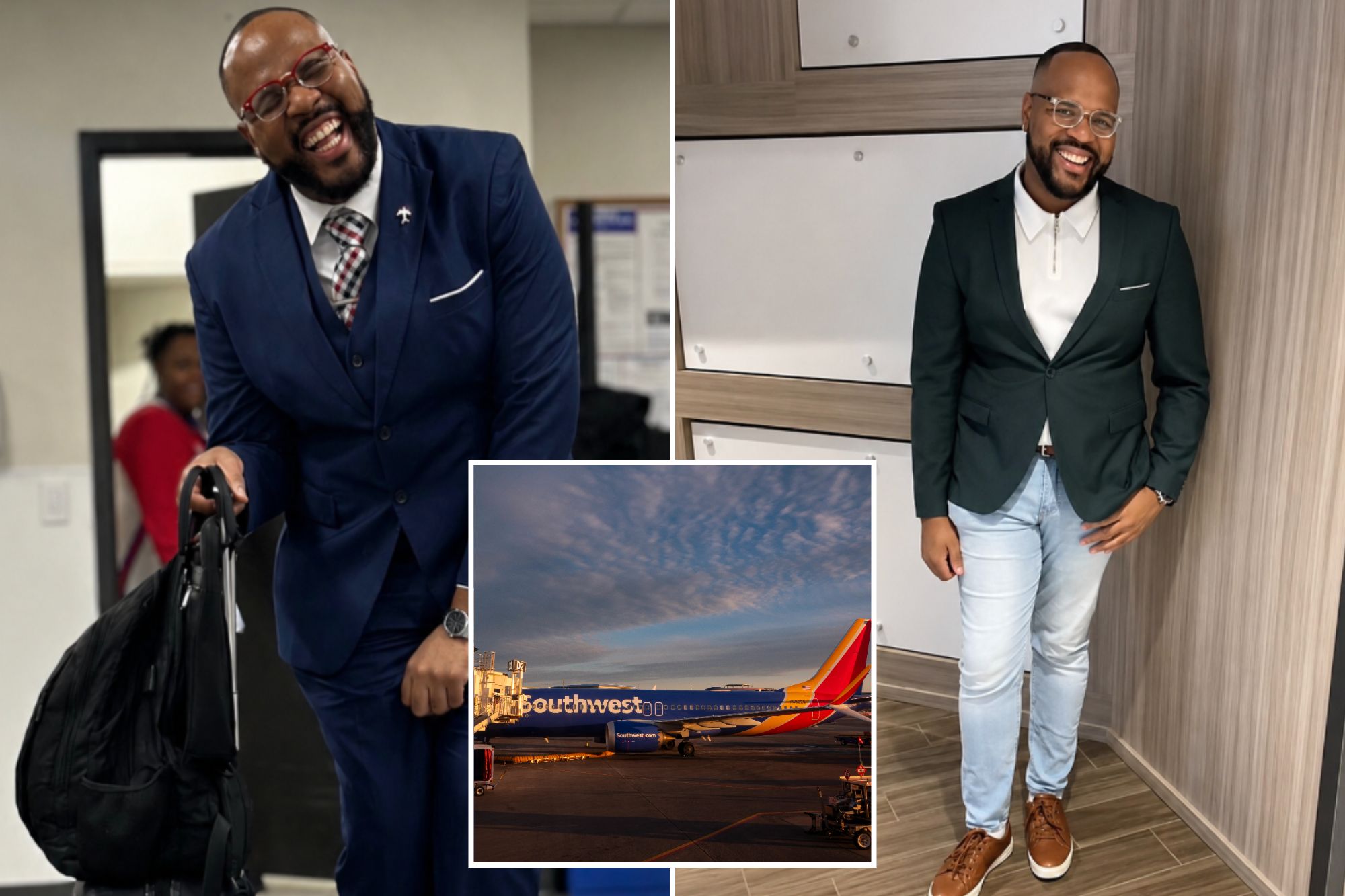
It was just another workday for Lorenzo Thompson, a Southwest Airlines flight attendant. He returned to Nashville International Airport after a trip, likely ready to head home. Instead, federal agents were waiting.
On July 14, 2026, U.S. Immigration and Customs Enforcement (ICE) took him into custody. The news sent shockwaves through the aviation community. His union, TWU Local 556, quickly confirmed the arrest of their member.
This incident forces a complicated question into the spotlight: How can a major airline hire someone that ICE says is in the country illegally? The answer lies in a messy gap in U.S. immigration law.
This is not a simple story of a rule-breaker. It is a story of conflicting systems, a pending asylum case, and a missing distinction between immigration status and work authorization. The Southwest Flight Attendant Immigration Case is more complex than the headlines suggest.
The Tale of Two Stories: Overstay vs. Asylum
ICE has a clear, official stance on the matter. A spokesperson stated that Lorenzo Thompson, a Jamaican citizen, entered the U.S. in April 2021 with permission to stay for just six months. That permission expired in October 2021.
Read Also: A Sweet Escape: Mastering The Art Of The Perfect Sundae In Papa's Freezeria
He never left. Therefore, ICE says he is in the country illegally and is being held pending immigration proceedings. They maintain he is removable because of the overstay.
Thompson’s friends, family, and union paint a very different picture. They have organized a GoFundMe campaign and spoken publicly. Their message is that Thompson is not an illegal worker. They claim he fled "life-threatening abuse" in Jamaica.
Since arriving, they say he has done everything right. He has no criminal record—not even a parking ticket. He holds a valid work permit. Crucially, they state he has a pending asylum case.
Edward Marq, a fellow Southwest flight attendant and union member, expressed shock at the detention, referring to Thompson as a "union brother."
The Crucial Legal Distinction You Need to Understand
How can a person overstay a visa and still be legally authorized to work? This is the core confusion driving the public debate. Many people assume that if you are out of status, you are illegal, and you cannot work. That is not always true.
A source involved with immigration compliance explains that immigration status and work authorization are two separate tracks in the law. They do not move in perfect sync. Here is what likely happened in this case:
Thompson entered the U.S. legally on a temporary visa.
That visa expired, creating an "overstay."
At some point, Thompson filed for asylum. Under federal law, someone with a pending asylum case can apply for a work permit (an Employment Authorization Document, or EAD). However, they usually must wait 150 days before they can apply.
Once granted, this EAD allows the person to work legally. It does not erase the overstay from their record. It does not mean they are "legal."
So, it is possible that Thompson was legally authorized to work for Southwest Airlines even while being technically deportable for the overstay.
A legal analysis describes it this way: "All three of the following can be legally true for the same person, at the same time: They overstayed their original period of authorized admission.
They later filed for asylum and received permission to work. Immigration authorities can still place them in removal proceedings over the original overstay." This is the subtle, critical legal distinction that most of the news coverage is missing.
What This Means for Employers and Employees?
This situation sheds light on how the system actually works for millions of people.
For employers like Southwest, the rules are clear, if not always intuitive. When hiring, they are required to verify that an employee can legally work by checking documents like a Social Security card or a work permit.
They are not required to investigate the employee's entire immigration history. The legal source explains, "An employer’s obligation is to confirm that a new hire presents facially valid, unexpired documents. A valid EAD satisfies that requirement on its face." If the documents are valid, the hire is legitimate.
For employees in a similar situation, this case is a stark warning. Holding an EAD does not grant immunity from ICE enforcement. The agency's authority is tied to the overstay, not the work permit. While the pending asylum case can be a defense, it does not stop ICE from taking someone into custody immediately.
The Human and Political Fallout
This is not just a legal case; it is a human tragedy. Thompson's friends describe him as someone who was building a stable life and following the rules. His friend Kristin Foster called him "honest, caring, and loyal." A GoFundMe campaign started for his legal bills quickly raised over $38,000.
The union has thrown its full weight behind him. TWU Local 556 stated, "Every Member deserves to be treated with dignity and respect," and pledged to support him through the process. The Labor Council for Latin American Advancement also rallied to his defense.
However, the political climate is tense. The case has become a lightning rod for the ongoing national debate over immigration enforcement. An ICE spokesperson noted that the agency is actively encouraging people without legal status to self-deport, saying:
We encourage every person here illegally to take advantage of this offer and reserve the chance to come back to the US the right legal way. If not, you will be arrested and deported without a chance to return." The incident shows how workplace enforcement is becoming more aggressive as part of that broader shift.
Where the Case Stands Now and What to Watch For?
As of right now, Lorenzo Thompson remains in ICE custody at a correctional center in Mississippi. His case is now moving through the immigration court system. He is fighting the deportation order based on his pending asylum claim. The union and his legal team are working to secure his release and get a fair hearing for his case.
This Southwest Flight Attendant Immigration Case serves as a real-world example of the contradictions in U.S. immigration policy. It is a system where an individual can be in a legal gray area for years.
They are lawful enough to work, fly on planes, and build a life. But they are also unlawful enough to be arrested at their job and detained indefinitely. The final outcome of Thompson's case will likely depend on the strength of his asylum claim and how the immigration judge rules on the facts of his overstay.
Read Also : Electronic Health Records Market Share, Global Industry Size, Trends, Technology, and Analysis by 2035
 Luna Ella
It was just another workday for Lorenzo Thompson, a Southwest Airlines flight attendant. He returned to Nashville International Airport after a trip, likely ready to head home. Instead, federal agents were waiting.
On July 14, 2026, U.S. Immigration and Customs Enforcement (ICE) took him into custody. The news sent shockwaves through the aviation community. His union, TWU Local 556, quickly confirmed the arrest of their member.
This incident forces a complicated question into the spotlight: How can a major airline hire someone that ICE says is in the country illegally? The answer lies in a messy gap in U.S. immigration law.
This is not a simple story of a rule-breaker. It is a story of conflicting systems, a pending asylum case, and a missing distinction between immigration status and work authorization. The Southwest Flight Attendant Immigration Case is more complex than the headlines suggest.
The Tale of Two Stories: Overstay vs. Asylum
ICE has a clear, official stance on the matter. A spokesperson stated that Lorenzo Thompson, a Jamaican citizen, entered the U.S. in April 2021 with permission to stay for just six months. That permission expired in October 2021.
Read Also: A Sweet Escape: Mastering The Art Of The Perfect Sundae In Papa's Freezeria
He never left. Therefore, ICE says he is in the country illegally and is being held pending immigration proceedings. They maintain he is removable because of the overstay.
Thompson’s friends, family, and union paint a very different picture. They have organized a GoFundMe campaign and spoken publicly. Their message is that Thompson is not an illegal worker. They claim he fled "life-threatening abuse" in Jamaica.
Since arriving, they say he has done everything right. He has no criminal record—not even a parking ticket. He holds a valid work permit. Crucially, they state he has a pending asylum case.
Edward Marq, a fellow Southwest flight attendant and union member, expressed shock at the detention, referring to Thompson as a "union brother."
The Crucial Legal Distinction You Need to Understand
How can a person overstay a visa and still be legally authorized to work? This is the core confusion driving the public debate. Many people assume that if you are out of status, you are illegal, and you cannot work. That is not always true.
A source involved with immigration compliance explains that immigration status and work authorization are two separate tracks in the law. They do not move in perfect sync. Here is what likely happened in this case:
Thompson entered the U.S. legally on a temporary visa.
That visa expired, creating an "overstay."
At some point, Thompson filed for asylum. Under federal law, someone with a pending asylum case can apply for a work permit (an Employment Authorization Document, or EAD). However, they usually must wait 150 days before they can apply.
Once granted, this EAD allows the person to work legally. It does not erase the overstay from their record. It does not mean they are "legal."
So, it is possible that Thompson was legally authorized to work for Southwest Airlines even while being technically deportable for the overstay.
A legal analysis describes it this way: "All three of the following can be legally true for the same person, at the same time: They overstayed their original period of authorized admission.
They later filed for asylum and received permission to work. Immigration authorities can still place them in removal proceedings over the original overstay." This is the subtle, critical legal distinction that most of the news coverage is missing.
What This Means for Employers and Employees?
This situation sheds light on how the system actually works for millions of people.
For employers like Southwest, the rules are clear, if not always intuitive. When hiring, they are required to verify that an employee can legally work by checking documents like a Social Security card or a work permit.
They are not required to investigate the employee's entire immigration history. The legal source explains, "An employer’s obligation is to confirm that a new hire presents facially valid, unexpired documents. A valid EAD satisfies that requirement on its face." If the documents are valid, the hire is legitimate.
For employees in a similar situation, this case is a stark warning. Holding an EAD does not grant immunity from ICE enforcement. The agency's authority is tied to the overstay, not the work permit. While the pending asylum case can be a defense, it does not stop ICE from taking someone into custody immediately.
The Human and Political Fallout
This is not just a legal case; it is a human tragedy. Thompson's friends describe him as someone who was building a stable life and following the rules. His friend Kristin Foster called him "honest, caring, and loyal." A GoFundMe campaign started for his legal bills quickly raised over $38,000.
The union has thrown its full weight behind him. TWU Local 556 stated, "Every Member deserves to be treated with dignity and respect," and pledged to support him through the process. The Labor Council for Latin American Advancement also rallied to his defense.
However, the political climate is tense. The case has become a lightning rod for the ongoing national debate over immigration enforcement. An ICE spokesperson noted that the agency is actively encouraging people without legal status to self-deport, saying:
We encourage every person here illegally to take advantage of this offer and reserve the chance to come back to the US the right legal way. If not, you will be arrested and deported without a chance to return." The incident shows how workplace enforcement is becoming more aggressive as part of that broader shift.
Where the Case Stands Now and What to Watch For?
As of right now, Lorenzo Thompson remains in ICE custody at a correctional center in Mississippi. His case is now moving through the immigration court system. He is fighting the deportation order based on his pending asylum claim. The union and his legal team are working to secure his release and get a fair hearing for his case.
This Southwest Flight Attendant Immigration Case serves as a real-world example of the contradictions in U.S. immigration policy. It is a system where an individual can be in a legal gray area for years.
They are lawful enough to work, fly on planes, and build a life. But they are also unlawful enough to be arrested at their job and detained indefinitely. The final outcome of Thompson's case will likely depend on the strength of his asylum claim and how the immigration judge rules on the facts of his overstay.
Read Also : Electronic Health Records Market Share, Global Industry Size, Trends, Technology, and Analysis by 2035