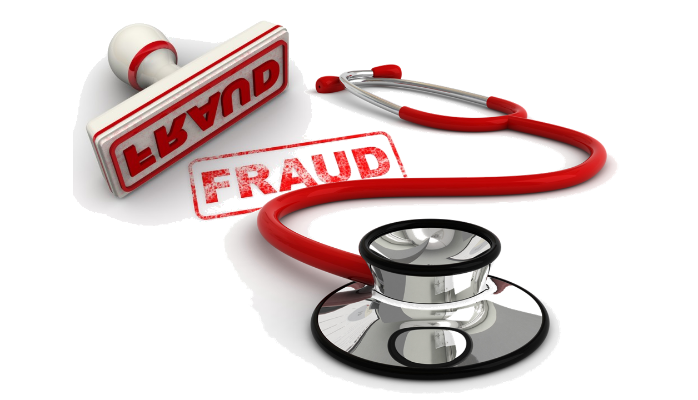
Health care fraud is stealing. Plain and simple.
Someone lies to an insurance company or a government program like Medicare to get paid for care that was never given, never needed, or was worth less than what they billed for.
It costs us billions every year. The FBI puts the number somewhere around $100 billion annually. That money does not come from nowhere. It comes from your premiums, your taxes, and your family's budget.
The Setup
The health care system runs on trust.
You go to a doctor. The doctor says you need a test. You believe them. The doctor bills your insurance. The insurance pays the bill. Everyone moves on with their day.
That trust is what fraudsters count on.
They know patients do not check their billing statements closely. They know insurance companies process too many claims to catch every mistake. They know the system moves fast and leaves plenty of room for people who want to game it.
Read More: What licenses do I need to start a home health care business in Mississippi?
The Doctor's Side
Most fraud happens on the provider side. Doctors, clinics, labs, and equipment suppliers are the ones doing the billing. They know the codes. They know what pays well. And they know what slips through.
Here are the common tricks.
Billing for nothing. This is the simplest version. A provider sends a claim for a service that never happened. The patient never showed up. The procedure was never performed. The equipment was never delivered. But the bill goes through anyway.
Billing for more than what happened. A patient comes in for a short visit. The doctor bills for a long one. A patient gets a basic lab test. The lab bills for a complex one. The care is the same. The price is not. This is upcoding and it happens all the time.
Splitting up what belongs together. Some procedures are meant to be billed as one service. Providers sometimes break them apart and bill each piece separately. It looks like different services to the insurance company. It is really just the same work billed twice.
Doing work that is not needed. This one is dangerous. A provider orders a test, a scan, or a piece of equipment that the patient does not need. It might even be harmful. But it pays well, so they do it anyway.
Paying for referrals. This is called a kickback. A lab pays a doctor a fee for every patient sent their way. The doctor makes money. The lab makes money. The patient gets care they probably do not need. And the insurance company pays for all of it.
The Patient's Side
Patients cheat too. Just less often.
Using someone else's insurance card is fraud. Forging a prescription is fraud. Selling prescription drugs is fraud. Lying about your income or health status to get government benefits is fraud.
These cases are smaller on average. But they still add up and they still drive up costs for everyone else.
Stories from the Real World
These are not hypothetical situations. They happen every day.
In Arizona, two people were charged with a scheme that billed Medicare for wound care products. The products were expensive skin grafts. They were supposed to go to elderly hospice patients. But the products were never used. The patients were too sick to receive them. The total amount billed was close to a billion dollars.
In Massachusetts, a doctor billed insurance companies for breathing machines. The machines were for patients he had not treated in years. Some of those patients had died. He used the money to buy a house.
In Illinois, a chiropractor submitted over two thousand false claims. He billed for services he never provided. He got a year and a day in federal prison.
In another case, a nurse practitioner agreed to pay a settlement for ordering genetic tests that patients did not want or need. The tests were expensive. Medicare paid for them. The patients never asked for them.
These cases have one thing in common. The people involved knew what they were doing. They lied on purpose. And they kept doing it until someone caught them.
The Information Gap
Why does this keep happening?
Because patients do not know enough to question it. You go to the doctor. They tell you to get a test. You do not know if the test is necessary. You trust them. That trust is usually well placed. But sometimes it is not.
Also, you do not see the bill. Insurance pays the provider directly. You get a statement later, but by then the money is already gone. You have no reason to dig into it.
And then there is the volume problem. Insurance companies process millions of claims every year. They have fraud detection systems, but they cannot catch everything. They miss stuff. Fraudsters know this and exploit it.
What Happens When You Get Caught?
The penalties are serious.
Federal law allows for up to 10 years in prison for health care fraud. If the fraud causes serious injury, that goes up to 20 years. If someone dies, the offender can get life in prison.
There are also fines. Offenders often have to pay back three times what they stole. They can lose their medical license. They can lose their practice.
Lawmakers have been pushing for even harsher penalties. Some recent proposals would raise the maximum sentence to 25 or 30 years.
What You Should Do?
You can help stop this.
Look at your explanation of benefits. That is the form your insurance company sends after you get care. It lists what was billed and what was paid. If you see something you do not remember, call your provider and ask.
Protect your insurance card. Do not let anyone else use it. Do not give out your member number unless you are sure who you are talking to.
If you suspect fraud, report it. Most states have a hotline. Medicare does too. You can report it anonymously.
Fraud is not a victimless crime. It hits your wallet and your healthcare system. The more people pay attention, the harder it gets for fraudsters to get away with it.
 Matti Karttunen
 Aisha Mushtaq
Health care fraud is stealing. Plain and simple.
Someone lies to an insurance company or a government program like Medicare to get paid for care that was never given, never needed, or was worth less than what they billed for.
It costs us billions every year. The FBI puts the number somewhere around $100 billion annually. That money does not come from nowhere. It comes from your premiums, your taxes, and your family's budget.
The Setup
The health care system runs on trust.
You go to a doctor. The doctor says you need a test. You believe them. The doctor bills your insurance. The insurance pays the bill. Everyone moves on with their day.
That trust is what fraudsters count on.
They know patients do not check their billing statements closely. They know insurance companies process too many claims to catch every mistake. They know the system moves fast and leaves plenty of room for people who want to game it.
Read More: What licenses do I need to start a home health care business in Mississippi?
The Doctor's Side
Most fraud happens on the provider side. Doctors, clinics, labs, and equipment suppliers are the ones doing the billing. They know the codes. They know what pays well. And they know what slips through.
Here are the common tricks.
Billing for nothing. This is the simplest version. A provider sends a claim for a service that never happened. The patient never showed up. The procedure was never performed. The equipment was never delivered. But the bill goes through anyway.
Billing for more than what happened. A patient comes in for a short visit. The doctor bills for a long one. A patient gets a basic lab test. The lab bills for a complex one. The care is the same. The price is not. This is upcoding and it happens all the time.
Splitting up what belongs together. Some procedures are meant to be billed as one service. Providers sometimes break them apart and bill each piece separately. It looks like different services to the insurance company. It is really just the same work billed twice.
Doing work that is not needed. This one is dangerous. A provider orders a test, a scan, or a piece of equipment that the patient does not need. It might even be harmful. But it pays well, so they do it anyway.
Paying for referrals. This is called a kickback. A lab pays a doctor a fee for every patient sent their way. The doctor makes money. The lab makes money. The patient gets care they probably do not need. And the insurance company pays for all of it.
The Patient's Side
Patients cheat too. Just less often.
Using someone else's insurance card is fraud. Forging a prescription is fraud. Selling prescription drugs is fraud. Lying about your income or health status to get government benefits is fraud.
These cases are smaller on average. But they still add up and they still drive up costs for everyone else.
Stories from the Real World
These are not hypothetical situations. They happen every day.
In Arizona, two people were charged with a scheme that billed Medicare for wound care products. The products were expensive skin grafts. They were supposed to go to elderly hospice patients. But the products were never used. The patients were too sick to receive them. The total amount billed was close to a billion dollars.
In Massachusetts, a doctor billed insurance companies for breathing machines. The machines were for patients he had not treated in years. Some of those patients had died. He used the money to buy a house.
In Illinois, a chiropractor submitted over two thousand false claims. He billed for services he never provided. He got a year and a day in federal prison.
In another case, a nurse practitioner agreed to pay a settlement for ordering genetic tests that patients did not want or need. The tests were expensive. Medicare paid for them. The patients never asked for them.
These cases have one thing in common. The people involved knew what they were doing. They lied on purpose. And they kept doing it until someone caught them.
The Information Gap
Why does this keep happening?
Because patients do not know enough to question it. You go to the doctor. They tell you to get a test. You do not know if the test is necessary. You trust them. That trust is usually well placed. But sometimes it is not.
Also, you do not see the bill. Insurance pays the provider directly. You get a statement later, but by then the money is already gone. You have no reason to dig into it.
And then there is the volume problem. Insurance companies process millions of claims every year. They have fraud detection systems, but they cannot catch everything. They miss stuff. Fraudsters know this and exploit it.
What Happens When You Get Caught?
The penalties are serious.
Federal law allows for up to 10 years in prison for health care fraud. If the fraud causes serious injury, that goes up to 20 years. If someone dies, the offender can get life in prison.
There are also fines. Offenders often have to pay back three times what they stole. They can lose their medical license. They can lose their practice.
Lawmakers have been pushing for even harsher penalties. Some recent proposals would raise the maximum sentence to 25 or 30 years.
What You Should Do?
You can help stop this.
Look at your explanation of benefits. That is the form your insurance company sends after you get care. It lists what was billed and what was paid. If you see something you do not remember, call your provider and ask.
Protect your insurance card. Do not let anyone else use it. Do not give out your member number unless you are sure who you are talking to.
If you suspect fraud, report it. Most states have a hotline. Medicare does too. You can report it anonymously.
Fraud is not a victimless crime. It hits your wallet and your healthcare system. The more people pay attention, the harder it gets for fraudsters to get away with it.