In today’s digital world, websites and applications are part of everyday life. From social media platforms and online shopping websites to banking apps and streaming services, every digital product is built using different layers of technology. Two of the most important parts of web development are frontend development and backend development.
If you are new to computer science, web development, or programming, you may often hear these two terms. While both frontend and backend development work together to create functional websites and applications, they have very different roles and responsibilities.
This article explains the difference between frontend and backend development, the technologies used in each field, career opportunities, skills required, and how they work together to create modern digital experiences.
Understanding Web Development
Before comparing frontend and backend development, it is important to understand what web development actually means.
Web development is the process of building and maintaining websites and web applications. It includes everything from designing the user interface to managing servers and databases behind the scenes.
Web development is generally divided into three main categories:
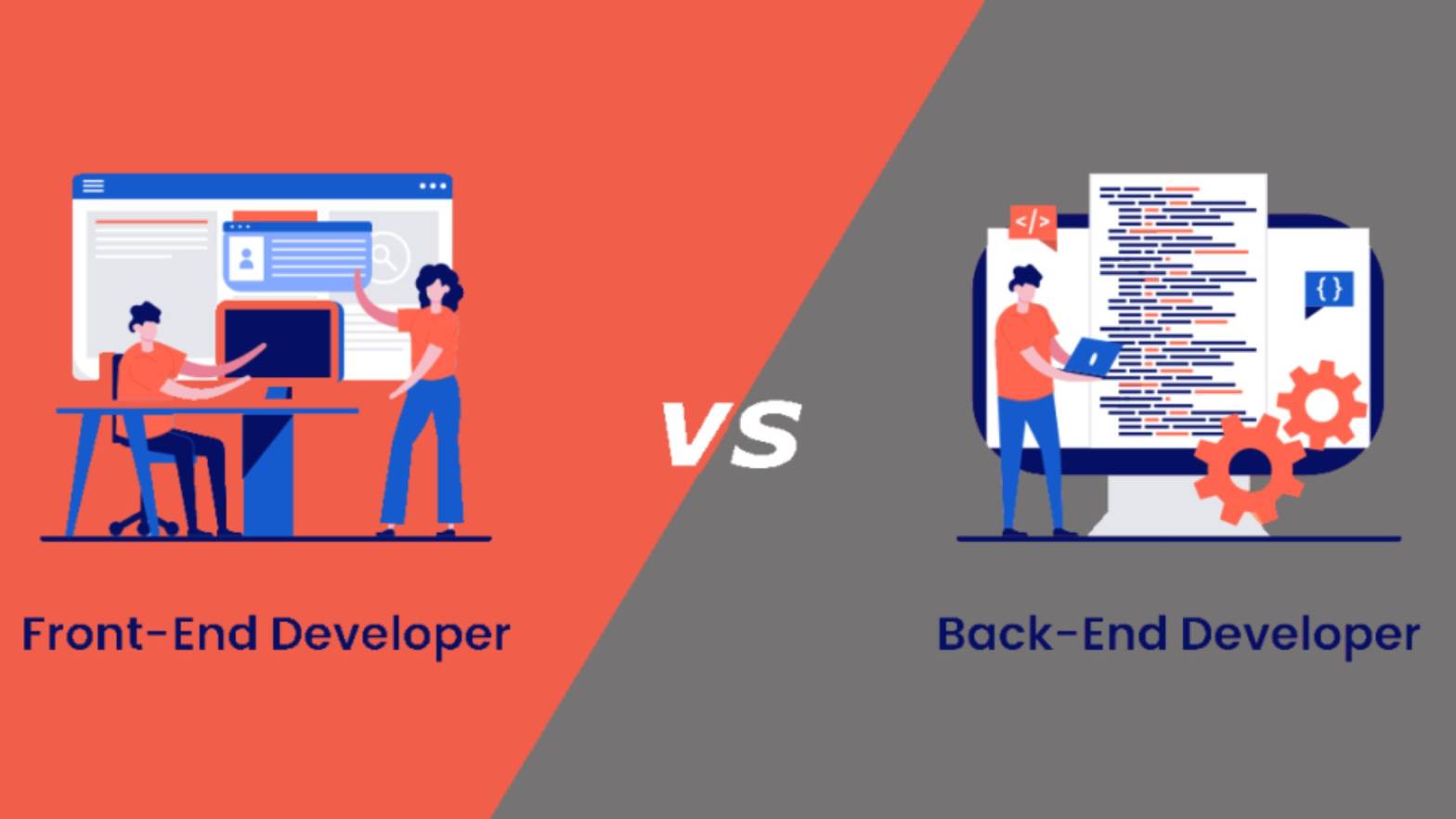
Frontend focuses on what users see and interact with, while backend handles the logic, database, and server-side operations that users do not see.
Read Also: How do I start backend development in Python?
What Is Frontend Development?
Frontend development refers to the part of a website or application that users directly interact with. It is also called the “client-side” of web development.
Everything you see on a website — buttons, images, menus, forms, animations, layouts, and colors — is created by frontend developers.
The main goal of frontend development is to create an attractive, responsive, and user-friendly experience.
Responsibilities of a Frontend Developer
Frontend developers are responsible for:
For example, when you open a shopping website and click the “Add to Cart” button, the button design and interaction are handled by frontend development.
Technologies Used in Frontend Development
Frontend developers use several programming languages and tools to create websites.
1. HTML (HyperText Markup Language)
HTML is the basic structure of every web page. It defines headings, paragraphs, images, links, and forms.
2. CSS (Cascading Style Sheets)
CSS controls the design and appearance of websites. It manages colors, fonts, layouts, spacing, and responsiveness.
3. JavaScript
JavaScript adds interactivity and dynamic behavior to websites. It allows features like sliders, popups, animations, and live updates.
Popular Frontend Frameworks and Libraries
Modern frontend development often uses frameworks and libraries to make development faster and more efficient.
Some popular frontend technologies include:
These tools help developers build modern and responsive web applications quickly.
Skills Required for Frontend Development
A frontend developer should have skills such as:
Creativity is also important because frontend developers focus heavily on visual design and user interaction.
What Is Backend Development?
Backend development refers to the server-side part of a website or application. It handles the logic, databases, authentication, and server operations that users do not see.
The backend acts like the engine of a website. It processes requests, stores data, and ensures everything works properly behind the scenes.
For example, when you log into a website, the backend verifies your username and password from the database.
Responsibilities of a Backend Developer
Backend developers are responsible for:
Without backend development, websites would not be able to store user data, process payments, or handle login systems.
Technologies Used in Backend Development
Backend developers use programming languages, databases, and server technologies.
Popular Backend Programming Languages
Backend Frameworks
These frameworks simplify backend development and improve scalability.
Databases Used in Backend Development
Backend systems store and manage data using databases.
Common Databases
For example, when a customer places an order online, the backend stores the order information in a database.
Skills Required for Backend Development
Backend developers need skills such as:
Backend development often requires strong logical thinking and analytical skills.
You May Also Like: How do SEO requirements influence frontend development decisions?
Key Differences Between Frontend and Backend Development
Although frontend and backend development are closely connected, they differ in many ways.
1. User Interaction
Frontend
Frontend development focuses on what users can see and interact with directly.
Backend
Backend development focuses on hidden processes and server operations.
2. Purpose
Frontend
Its purpose is to improve user experience and visual presentation.
Backend
Its purpose is to manage data, logic, and server communication.
3. Technologies Used
Frontend Technologies
Backend Technologies
4. Development Focus
Frontend Developers
Focus on design, responsiveness, and usability.
Backend Developers
Focus on security, scalability, and functionality.
5. Performance Concerns
Frontend
Frontend developers optimize loading speed and user interface performance.
Backend
Backend developers optimize server response time and database performance.
6. Security
Frontend
Frontend has limited security responsibilities.
Backend
Backend developers handle major security systems like authentication and encryption.
How Frontend and Backend Work Together
Frontend and backend development must work together to create complete web applications.
For example, consider a social media platform:
Frontend Tasks
Backend Tasks
The frontend sends requests to the backend, and the backend returns data to display on the screen.
This communication usually happens through APIs (Application Programming Interfaces).
What Is Full Stack Development?
A full stack developer works on both frontend and backend development.
They can:
Full stack developers are highly valuable because they understand the complete development process.
Popular full stack technologies include:
Career Opportunities in Frontend and Backend Development
Both frontend and backend development offer excellent career opportunities.
Frontend Developer Careers
Frontend developers can work as:
Average Demand
Frontend developers are highly in demand because companies need modern and responsive websites.
Backend Developer Careers
Backend developers can work as:
Average Demand
Backend developers are essential for building scalable and secure applications.
Which Is Easier: Frontend or Backend?
There is no simple answer because it depends on personal interests and skills.
Frontend May Be Better If You:
Backend May Be Better If You:
Many developers eventually learn both areas.
Salary Comparison
Salaries vary by country, company, and experience level.
Generally:
Technology companies worldwide actively hire both frontend and backend professionals.
Future of Frontend and Backend Development
The future of both fields looks very strong.
Frontend Trends
Backend Trends
As technology evolves, both frontend and backend developers will remain highly valuable.
Conclusion
Frontend and backend development are two essential parts of modern web development. Frontend development focuses on creating visually appealing and interactive user experiences, while backend development manages servers, databases, and application logic behind the scenes.
Both fields require different skills, technologies, and approaches, but they work together to build complete websites and applications. Whether you choose frontend or backend development depends on your interests, creativity, and technical strengths.
If you enjoy design and user interaction, frontend development may be the right path for you. If you prefer logical thinking, databases, and server-side programming, backend development could be a better fit.
 Willow Stella
 calculadora dehoras
In today’s digital world, websites and applications are part of everyday life. From social media platforms and online shopping websites to banking apps and streaming services, every digital product is built using different layers of technology. Two of the most important parts of web development are frontend development and backend development.
If you are new to computer science, web development, or programming, you may often hear these two terms. While both frontend and backend development work together to create functional websites and applications, they have very different roles and responsibilities.
This article explains the difference between frontend and backend development, the technologies used in each field, career opportunities, skills required, and how they work together to create modern digital experiences.
Understanding Web Development
Before comparing frontend and backend development, it is important to understand what web development actually means.
Web development is the process of building and maintaining websites and web applications. It includes everything from designing the user interface to managing servers and databases behind the scenes.
Web development is generally divided into three main categories:
Frontend focuses on what users see and interact with, while backend handles the logic, database, and server-side operations that users do not see.
Read Also: How do I start backend development in Python?
What Is Frontend Development?
Frontend development refers to the part of a website or application that users directly interact with. It is also called the “client-side” of web development.
Everything you see on a website — buttons, images, menus, forms, animations, layouts, and colors — is created by frontend developers.
The main goal of frontend development is to create an attractive, responsive, and user-friendly experience.
Responsibilities of a Frontend Developer
Frontend developers are responsible for:
For example, when you open a shopping website and click the “Add to Cart” button, the button design and interaction are handled by frontend development.
Technologies Used in Frontend Development
Frontend developers use several programming languages and tools to create websites.
1. HTML (HyperText Markup Language)
HTML is the basic structure of every web page. It defines headings, paragraphs, images, links, and forms.
2. CSS (Cascading Style Sheets)
CSS controls the design and appearance of websites. It manages colors, fonts, layouts, spacing, and responsiveness.
3. JavaScript
JavaScript adds interactivity and dynamic behavior to websites. It allows features like sliders, popups, animations, and live updates.
Popular Frontend Frameworks and Libraries
Modern frontend development often uses frameworks and libraries to make development faster and more efficient.
Some popular frontend technologies include:
These tools help developers build modern and responsive web applications quickly.
Skills Required for Frontend Development
A frontend developer should have skills such as:
Creativity is also important because frontend developers focus heavily on visual design and user interaction.
What Is Backend Development?
Backend development refers to the server-side part of a website or application. It handles the logic, databases, authentication, and server operations that users do not see.
The backend acts like the engine of a website. It processes requests, stores data, and ensures everything works properly behind the scenes.
For example, when you log into a website, the backend verifies your username and password from the database.
Responsibilities of a Backend Developer
Backend developers are responsible for:
Without backend development, websites would not be able to store user data, process payments, or handle login systems.
Technologies Used in Backend Development
Backend developers use programming languages, databases, and server technologies.
Popular Backend Programming Languages
Backend Frameworks
These frameworks simplify backend development and improve scalability.
Databases Used in Backend Development
Backend systems store and manage data using databases.
Common Databases
For example, when a customer places an order online, the backend stores the order information in a database.
Skills Required for Backend Development
Backend developers need skills such as:
Backend development often requires strong logical thinking and analytical skills.
You May Also Like: How do SEO requirements influence frontend development decisions?
Key Differences Between Frontend and Backend Development
Although frontend and backend development are closely connected, they differ in many ways.
1. User Interaction
Frontend
Frontend development focuses on what users can see and interact with directly.
Backend
Backend development focuses on hidden processes and server operations.
2. Purpose
Frontend
Its purpose is to improve user experience and visual presentation.
Backend
Its purpose is to manage data, logic, and server communication.
3. Technologies Used
Frontend Technologies
Backend Technologies
4. Development Focus
Frontend Developers
Focus on design, responsiveness, and usability.
Backend Developers
Focus on security, scalability, and functionality.
5. Performance Concerns
Frontend
Frontend developers optimize loading speed and user interface performance.
Backend
Backend developers optimize server response time and database performance.
6. Security
Frontend
Frontend has limited security responsibilities.
Backend
Backend developers handle major security systems like authentication and encryption.
How Frontend and Backend Work Together
Frontend and backend development must work together to create complete web applications.
For example, consider a social media platform:
Frontend Tasks
Backend Tasks
The frontend sends requests to the backend, and the backend returns data to display on the screen.
This communication usually happens through APIs (Application Programming Interfaces).
What Is Full Stack Development?
A full stack developer works on both frontend and backend development.
They can:
Full stack developers are highly valuable because they understand the complete development process.
Popular full stack technologies include:
Career Opportunities in Frontend and Backend Development
Both frontend and backend development offer excellent career opportunities.
Frontend Developer Careers
Frontend developers can work as:
Average Demand
Frontend developers are highly in demand because companies need modern and responsive websites.
Backend Developer Careers
Backend developers can work as:
Average Demand
Backend developers are essential for building scalable and secure applications.
Which Is Easier: Frontend or Backend?
There is no simple answer because it depends on personal interests and skills.
Frontend May Be Better If You:
Backend May Be Better If You:
Many developers eventually learn both areas.
Salary Comparison
Salaries vary by country, company, and experience level.
Generally:
Technology companies worldwide actively hire both frontend and backend professionals.
Future of Frontend and Backend Development
The future of both fields looks very strong.
Frontend Trends
Backend Trends
As technology evolves, both frontend and backend developers will remain highly valuable.
Conclusion
Frontend and backend development are two essential parts of modern web development. Frontend development focuses on creating visually appealing and interactive user experiences, while backend development manages servers, databases, and application logic behind the scenes.
Both fields require different skills, technologies, and approaches, but they work together to build complete websites and applications. Whether you choose frontend or backend development depends on your interests, creativity, and technical strengths.
If you enjoy design and user interaction, frontend development may be the right path for you. If you prefer logical thinking, databases, and server-side programming, backend development could be a better fit.