The United States has started a new visa policy. This policy asks some people to pay money before they can enter the country for business or tourism. The money can be as high as $15,000. This policy is called the Visa Bond Pilot Program . It is part of a larger effort to control who comes into the country.
This article explains the program in simple words. It tells you what the program is, how it works, and who it affects.
What is the Visa Bond Program?
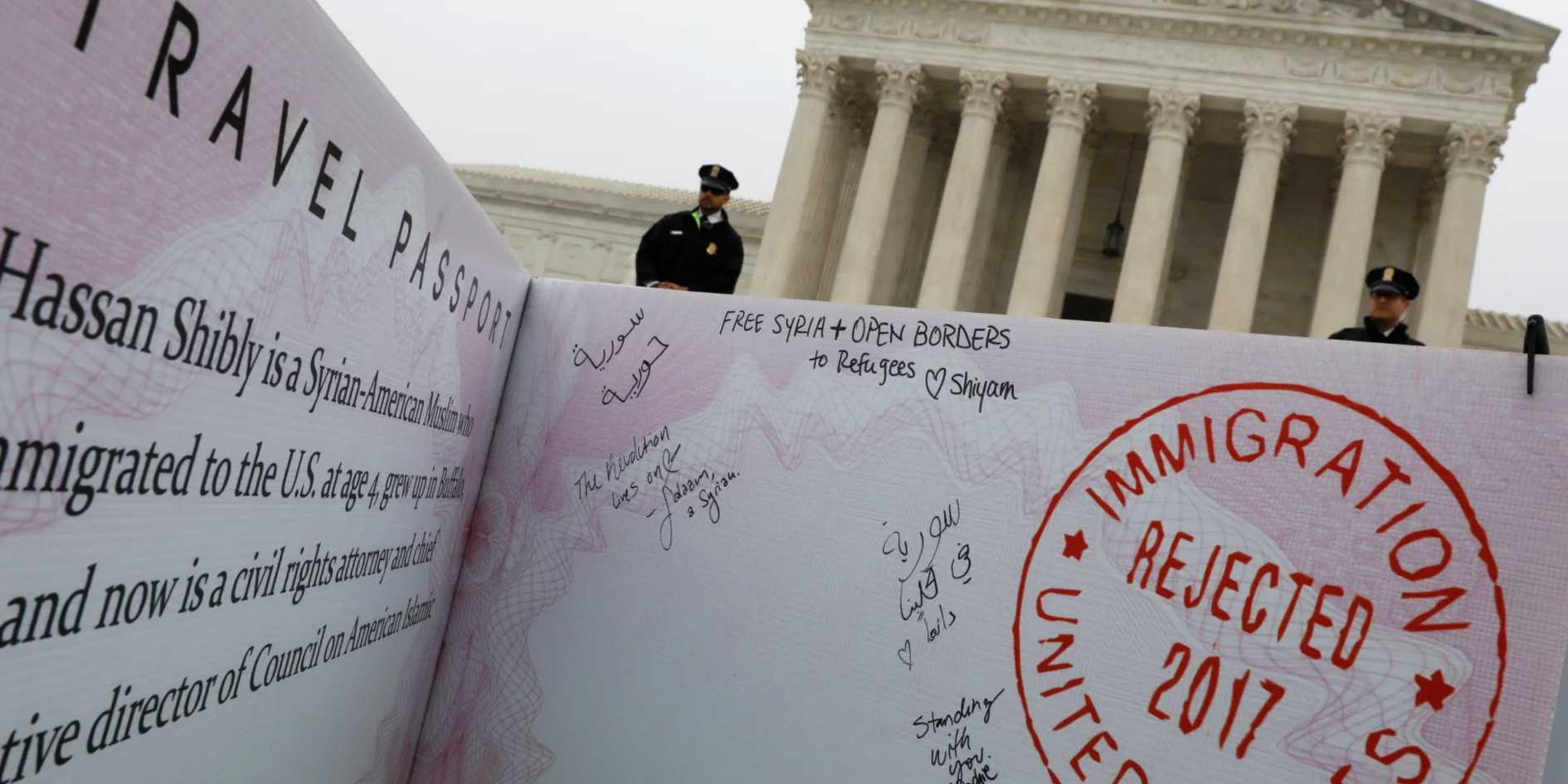
The Visa Bond Program is a test project from the U.S. government. It started in August 2025. The program is meant to stop people from staying in the U.S. longer than their visa allows .
Here is how it works. When someone applies for a B-1 business visa or a B-2 tourist visa, a consular officer can ask them to pay a bond . The bond is like a security deposit. The officer decides the amount. It can be $5,000, $10,000, or $15,000 . This depends on the person's case and the country they come from .
The traveler must pay this money before they enter the U.S. . They get the money back if they follow the visa rules. This means they must leave the country on time. If they overstay, the government keeps the money . The program is a test that lasts for one year .
Read: Did Trump attend the Knicks game?
The Reason Behind the Policy
The government says the program is needed for national security. They point to a problem with visa overstays. The Department of Homeland Security reported that about 50,000 people overstayed their visas in one year .
The State Department says the bond program works well. They say nearly 1,000 people have been given visas under this program. They also say 97% of bonded travelers have returned home on time . This is a very high number.
There is also a money reason for this policy. It costs the U.S. taxpayer over $18,000 on average to remove someone who is in the country illegally . By making people pay a bond, the government hopes to save money. They say the program saves U.S. taxpayers up to $800 million per year .
The Countries That Are Affected
The program does not apply to everyone. It only applies to people from certain countries. The list of countries has grown over time.
The program started with just two countries: Malawi and Zambia . Then the list grew. By January 2026, it covered 38 countries . In April 2026, the list grew again. It now covers 50 countries .
Here is the full list of countries covered as of April 2026. The list comes from the U.S. State Department .
Africa:
Algeria, Angola, Benin, Botswana, Burundi, Cabo Verde, Central African Republic, Cote d'Ivoire, Djibouti, Ethiopia, Gabon, The Gambia, Guinea, Guinea-Bissau, Lesotho, Malawi, Mauritania, Mauritius, Mozambique, Namibia, Nigeria, Sao Tome and Principe, Senegal, Seychelles, Tanzania, Togo, Tunisia, Uganda, Zambia, Zimbabwe.
Asia and the Pacific:
Bangladesh, Bhutan, Cambodia, Fiji, Kyrgyzstan, Mongolia, Nepal, Papua New Guinea, Tajikistan, Tonga, Turkmenistan, Tuvalu, Vanuatu.
Americas and Caribbean:
Antigua and Barbuda, Cuba, Dominica, Grenada, Nicaragua, Venezuela.
How the Bond Works in Practice
The process is simple but strict. A consular officer decides if a person must pay a bond. The person must pay the bond if they are told to do so. They pay the bond after the visa is approved but before they travel to the U.S. .
The bond is held by the government. The traveler gets the money back if they follow all the rules . They must leave the U.S. before their visa expires. They must also enter and leave the U.S. through certain airports . These airports include John F. Kennedy Airport in New York, Boston Logan Airport, and Washington Dulles Airport .
If the traveler overstays, the government keeps the bond. The traveler also loses the money if they break any other visa rule. This includes applying for a green card while in the U.S. or filing for asylum after entering .
It is important to know that paying the bond does not guarantee a visa. The visa can still be denied . The person only pays the bond when the officer directs them to. If someone pays a bond without being told, the money will not be returned .
Who Is Affected by This Program?
This program affects many groups of people.
Travelers from the 50 Countries
The most direct effect is on citizens of the 50 listed countries. They now face a big extra cost to visit the U.S. For many people in these countries, $15,000 is a huge amount of money . In some African countries, this is equal to several years of income. This makes travel to the U.S. too expensive for many people.
Some analysts say this creates a form of segregation. Travel to the U.S. becomes a privilege for the wealthy . People with less money cannot afford the bond. The policy affects ordinary citizens based on their country's overstay rates .
Students and Business Travelers
Students who want to study in the U.S. are also affected. One student from Nigeria wanted to attend her graduation ceremony. She had completed an online program. Her visa application was denied because of the new policy . She said she would not try to reapply for at least five years .
Business travelers are also affected. Travel consultants say people are choosing other countries instead. One consultant said that Nigerians are now looking at Canada, the UK, or China for travel . The U.S. is losing visitors.
U.S. Tourism and Economy
The program also affects the U.S. economy. The U.S. Travel Association has expressed concern. They say the policy could slow the recovery of inbound tourism . The U.S. was the only country among 184 analyzed to see a drop in spending by international visitors in 2025 . This policy may make that worse.
There are also concerns about major events. The 2026 World Cup will be held in the U.S. Several African nations that qualified for the World Cup are on the bond list . This could affect attendance.
The Response from Affected Countries
Some countries have responded to the policy. Namibia's Ministry of International Relations and Trade issued a statement. They said the program could affect travel, tourism, and business exchanges . They also said they would engage with U.S. authorities. They want to understand how the program will be applied to Namibian citizens .
Nigeria is also in talks with the U.S. The Nigerian government said the U.S. has raised its concerns. Nigeria has noted them. They are continuing diplomatic talks to resolve the issues .
You May Also Like: What Went Wrong Between Kristi Noem and Donald Trump?
The Broader Context of U.S. Immigration Policy
The visa bond program is not the only new policy. The Trump administration has been tightening immigration rules. There is a separate proposal for a $250 visa integrity fee. This would apply to most non-immigrant visas . The fee would start in 2026.
There is also talk of a much larger bond. Some reports say the government is considering a $100,000 bond for some green card applicants. This is not yet in effect, but it shows the direction of the policies.
The visa bond program is part of a bigger crackdown. The administration has also expanded screening of social media. They have revoked more visas and green cards . They have also restricted entry for citizens of some countries . All these policies make it harder for people to come to the U.S.
The Future of the Visa Bond Program
The program is a pilot, or test, project. It is set to last until August 5, 2026 . The government can change the list of countries at any time . They can add more countries or remove them.
The State Department says the program has been effective. They point to the 97% on-time return rate. They also point to the money saved for taxpayers . This suggests the program could be made permanent. It could also be expanded to other visa categories.
The program shows a new way of thinking about visas. It uses money to enforce visa rules. It treats travel as a privilege that can be bought. The policy is still new. The full impact will take time to understand. But it is already affecting many people.
Conclusion
The U.S. visa bond program is a new policy. It asks some visitors to pay a bond of up to $15,000. The bond is returned if the visitor leaves on time. If they stay too long, the government keeps the money.
The program affects citizens from 50 countries. Most of these countries are in Africa. There are also countries in Asia, the Caribbean, and Latin America.
The policy is meant to stop people from overstaying their visas. The government says it works. But the policy has downsides. It makes travel too expensive for many people. It creates a barrier for students, business travelers, and tourists.
 White Clover Markets
The United States has started a new visa policy. This policy asks some people to pay money before they can enter the country for business or tourism. The money can be as high as $15,000. This policy is called the Visa Bond Pilot Program . It is part of a larger effort to control who comes into the country.
This article explains the program in simple words. It tells you what the program is, how it works, and who it affects.
What is the Visa Bond Program?
The Visa Bond Program is a test project from the U.S. government. It started in August 2025. The program is meant to stop people from staying in the U.S. longer than their visa allows .
Here is how it works. When someone applies for a B-1 business visa or a B-2 tourist visa, a consular officer can ask them to pay a bond . The bond is like a security deposit. The officer decides the amount. It can be $5,000, $10,000, or $15,000 . This depends on the person's case and the country they come from .
The traveler must pay this money before they enter the U.S. . They get the money back if they follow the visa rules. This means they must leave the country on time. If they overstay, the government keeps the money . The program is a test that lasts for one year .
Read: Did Trump attend the Knicks game?
The Reason Behind the Policy
The government says the program is needed for national security. They point to a problem with visa overstays. The Department of Homeland Security reported that about 50,000 people overstayed their visas in one year .
The State Department says the bond program works well. They say nearly 1,000 people have been given visas under this program. They also say 97% of bonded travelers have returned home on time . This is a very high number.
There is also a money reason for this policy. It costs the U.S. taxpayer over $18,000 on average to remove someone who is in the country illegally . By making people pay a bond, the government hopes to save money. They say the program saves U.S. taxpayers up to $800 million per year .
The Countries That Are Affected
The program does not apply to everyone. It only applies to people from certain countries. The list of countries has grown over time.
The program started with just two countries: Malawi and Zambia . Then the list grew. By January 2026, it covered 38 countries . In April 2026, the list grew again. It now covers 50 countries .
Here is the full list of countries covered as of April 2026. The list comes from the U.S. State Department .
Africa:
Algeria, Angola, Benin, Botswana, Burundi, Cabo Verde, Central African Republic, Cote d'Ivoire, Djibouti, Ethiopia, Gabon, The Gambia, Guinea, Guinea-Bissau, Lesotho, Malawi, Mauritania, Mauritius, Mozambique, Namibia, Nigeria, Sao Tome and Principe, Senegal, Seychelles, Tanzania, Togo, Tunisia, Uganda, Zambia, Zimbabwe.
Asia and the Pacific:
Bangladesh, Bhutan, Cambodia, Fiji, Kyrgyzstan, Mongolia, Nepal, Papua New Guinea, Tajikistan, Tonga, Turkmenistan, Tuvalu, Vanuatu.
Americas and Caribbean:
Antigua and Barbuda, Cuba, Dominica, Grenada, Nicaragua, Venezuela.
How the Bond Works in Practice
The process is simple but strict. A consular officer decides if a person must pay a bond. The person must pay the bond if they are told to do so. They pay the bond after the visa is approved but before they travel to the U.S. .
The bond is held by the government. The traveler gets the money back if they follow all the rules . They must leave the U.S. before their visa expires. They must also enter and leave the U.S. through certain airports . These airports include John F. Kennedy Airport in New York, Boston Logan Airport, and Washington Dulles Airport .
If the traveler overstays, the government keeps the bond. The traveler also loses the money if they break any other visa rule. This includes applying for a green card while in the U.S. or filing for asylum after entering .
It is important to know that paying the bond does not guarantee a visa. The visa can still be denied . The person only pays the bond when the officer directs them to. If someone pays a bond without being told, the money will not be returned .
Who Is Affected by This Program?
This program affects many groups of people.
Travelers from the 50 Countries
The most direct effect is on citizens of the 50 listed countries. They now face a big extra cost to visit the U.S. For many people in these countries, $15,000 is a huge amount of money . In some African countries, this is equal to several years of income. This makes travel to the U.S. too expensive for many people.
Some analysts say this creates a form of segregation. Travel to the U.S. becomes a privilege for the wealthy . People with less money cannot afford the bond. The policy affects ordinary citizens based on their country's overstay rates .
Students and Business Travelers
Students who want to study in the U.S. are also affected. One student from Nigeria wanted to attend her graduation ceremony. She had completed an online program. Her visa application was denied because of the new policy . She said she would not try to reapply for at least five years .
Business travelers are also affected. Travel consultants say people are choosing other countries instead. One consultant said that Nigerians are now looking at Canada, the UK, or China for travel . The U.S. is losing visitors.
U.S. Tourism and Economy
The program also affects the U.S. economy. The U.S. Travel Association has expressed concern. They say the policy could slow the recovery of inbound tourism . The U.S. was the only country among 184 analyzed to see a drop in spending by international visitors in 2025 . This policy may make that worse.
There are also concerns about major events. The 2026 World Cup will be held in the U.S. Several African nations that qualified for the World Cup are on the bond list . This could affect attendance.
The Response from Affected Countries
Some countries have responded to the policy. Namibia's Ministry of International Relations and Trade issued a statement. They said the program could affect travel, tourism, and business exchanges . They also said they would engage with U.S. authorities. They want to understand how the program will be applied to Namibian citizens .
Nigeria is also in talks with the U.S. The Nigerian government said the U.S. has raised its concerns. Nigeria has noted them. They are continuing diplomatic talks to resolve the issues .
You May Also Like: What Went Wrong Between Kristi Noem and Donald Trump?
The Broader Context of U.S. Immigration Policy
The visa bond program is not the only new policy. The Trump administration has been tightening immigration rules. There is a separate proposal for a $250 visa integrity fee. This would apply to most non-immigrant visas . The fee would start in 2026.
There is also talk of a much larger bond. Some reports say the government is considering a $100,000 bond for some green card applicants. This is not yet in effect, but it shows the direction of the policies.
The visa bond program is part of a bigger crackdown. The administration has also expanded screening of social media. They have revoked more visas and green cards . They have also restricted entry for citizens of some countries . All these policies make it harder for people to come to the U.S.
The Future of the Visa Bond Program
The program is a pilot, or test, project. It is set to last until August 5, 2026 . The government can change the list of countries at any time . They can add more countries or remove them.
The State Department says the program has been effective. They point to the 97% on-time return rate. They also point to the money saved for taxpayers . This suggests the program could be made permanent. It could also be expanded to other visa categories.
The program shows a new way of thinking about visas. It uses money to enforce visa rules. It treats travel as a privilege that can be bought. The policy is still new. The full impact will take time to understand. But it is already affecting many people.
Conclusion
The U.S. visa bond program is a new policy. It asks some visitors to pay a bond of up to $15,000. The bond is returned if the visitor leaves on time. If they stay too long, the government keeps the money.
The program affects citizens from 50 countries. Most of these countries are in Africa. There are also countries in Asia, the Caribbean, and Latin America.
The policy is meant to stop people from overstaying their visas. The government says it works. But the policy has downsides. It makes travel too expensive for many people. It creates a barrier for students, business travelers, and tourists.