Work is changing fast. Many jobs now use machines and smart tools. These tools can work day and night. They do not get tired. Because of this, many companies now use automation. At the same time, workers need new skills. Old skills are not always enough. This change brings many problems for managers. They must guide people, train teams, and keep work running smooth. This topic matters for every business, big or small. Let’s talk about the main management challenges from automation and workforce reskilling in a clear and easy way.
Understanding Automation In The Workplace
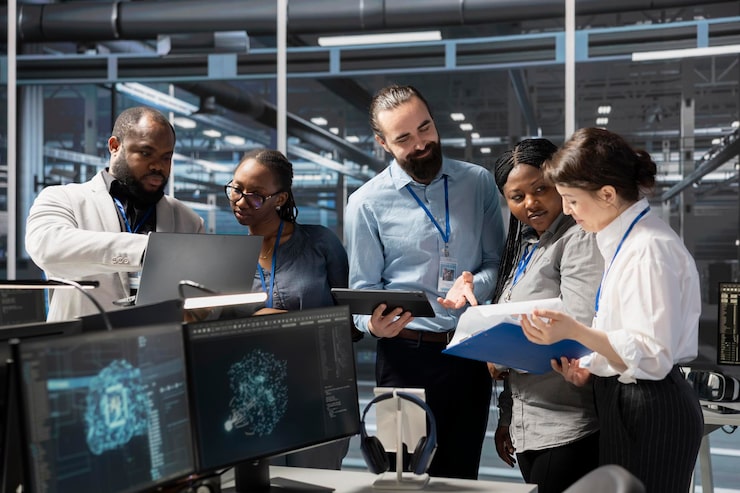
Automation means machines or software do work that people did before. This can save time and money. But it also brings worry. Some workers feel scared. They think machines may take their jobs. Managers must explain what is really happening. They need to be honest and clear. When people feel left out, they stop trusting leaders. Trust is very important at work. Managers must show that automation helps work, not hurts people. This is a big challenge in many companies today.
Read: What Leadership Skills Are Critical for Remote Team Management in 2025?
Fear And Stress Among Employees
Many workers feel stress when new machines arrive. They may feel slow or useless. Some feel they are too old to learn new skills. This fear can lower work quality. It can also cause anger or silence in teams. Managers must listen more. They should talk in simple words. Training should feel safe, not scary. Workers need time to learn. Pushing too fast can break team spirit. Helping people feel calm is a key part of good management during automation.
Training Workers For New Skills
Reskilling means teaching workers new things. This is not easy. People learn at different speeds. Some like videos. Some like practice. Managers must plan training with care. They must also give time during work hours. If training feels like extra work, people may avoid it. Good leaders make learning part of the job. Clear goals help workers stay focused. Strong training plans help companies grow and help workers feel valued.
Managing Old And New Systems Together
Many companies use both old tools and new machines. This can confuse workers. One system may say one thing, another says something else. Managers must keep things simple. Clear rules help a lot. Workers should know which system to use and when. If not, mistakes happen. Fixing these mistakes takes time and money. This balance is hard but very important. Good planning can reduce stress and improve daily work.
Keeping Fairness And Trust At Work
Automation can change job roles. Some jobs may shrink. Others may grow. If workers feel choices are unfair, trust breaks. Managers must explain decisions clearly. Fair chances for training matter a lot. People should feel seen and respected. Honest talks help teams stay strong. Fair treatment builds long-term trust. Without trust, even the best machines cannot help a company succeed.
Clear talks with workers
Fair access to training
You May Also Like: What is the largest property management company in the US?
Cost And Time Pressure On Managers
Automation tools cost money. Training also costs money. Managers often face tight budgets. They must choose wisely. Bad choices can hurt the business. Time is also limited. Daily work must continue during training. This pressure can be heavy. Managers need strong planning skills. Small steps often work better than big changes. Slow and steady plans help avoid failure.
FAQs
What is the biggest management challenge with automation?
The biggest challenge is fear among workers. Many worry about losing jobs or skills.
Why is workforce reskilling important?
Reskilling helps workers stay useful and confident as job needs change.
How can managers support workers during automation?
Managers can talk clearly, offer fair training, and give enough time to learn.
Final Thoughts
Automation and reskilling bring many changes to work life. Managers play a big role in making this change smooth. Simple talks, fair plans, and strong support help teams stay confident. When people feel safe and ready, businesses grow better. Good management turns change into progress.
 Rajesh Kumar
Work is changing fast. Many jobs now use machines and smart tools. These tools can work day and night. They do not get tired. Because of this, many companies now use automation. At the same time, workers need new skills. Old skills are not always enough. This change brings many problems for managers. They must guide people, train teams, and keep work running smooth. This topic matters for every business, big or small. Let’s talk about the main management challenges from automation and workforce reskilling in a clear and easy way.
Understanding Automation In The Workplace
Automation means machines or software do work that people did before. This can save time and money. But it also brings worry. Some workers feel scared. They think machines may take their jobs. Managers must explain what is really happening. They need to be honest and clear. When people feel left out, they stop trusting leaders. Trust is very important at work. Managers must show that automation helps work, not hurts people. This is a big challenge in many companies today.
Read: What Leadership Skills Are Critical for Remote Team Management in 2025?
Fear And Stress Among Employees
Many workers feel stress when new machines arrive. They may feel slow or useless. Some feel they are too old to learn new skills. This fear can lower work quality. It can also cause anger or silence in teams. Managers must listen more. They should talk in simple words. Training should feel safe, not scary. Workers need time to learn. Pushing too fast can break team spirit. Helping people feel calm is a key part of good management during automation.
Training Workers For New Skills
Reskilling means teaching workers new things. This is not easy. People learn at different speeds. Some like videos. Some like practice. Managers must plan training with care. They must also give time during work hours. If training feels like extra work, people may avoid it. Good leaders make learning part of the job. Clear goals help workers stay focused. Strong training plans help companies grow and help workers feel valued.
Managing Old And New Systems Together
Many companies use both old tools and new machines. This can confuse workers. One system may say one thing, another says something else. Managers must keep things simple. Clear rules help a lot. Workers should know which system to use and when. If not, mistakes happen. Fixing these mistakes takes time and money. This balance is hard but very important. Good planning can reduce stress and improve daily work.
Keeping Fairness And Trust At Work
Automation can change job roles. Some jobs may shrink. Others may grow. If workers feel choices are unfair, trust breaks. Managers must explain decisions clearly. Fair chances for training matter a lot. People should feel seen and respected. Honest talks help teams stay strong. Fair treatment builds long-term trust. Without trust, even the best machines cannot help a company succeed.
Clear talks with workers
Fair access to training
You May Also Like: What is the largest property management company in the US?
Cost And Time Pressure On Managers
Automation tools cost money. Training also costs money. Managers often face tight budgets. They must choose wisely. Bad choices can hurt the business. Time is also limited. Daily work must continue during training. This pressure can be heavy. Managers need strong planning skills. Small steps often work better than big changes. Slow and steady plans help avoid failure.
FAQs
What is the biggest management challenge with automation?
The biggest challenge is fear among workers. Many worry about losing jobs or skills.
Why is workforce reskilling important?
Reskilling helps workers stay useful and confident as job needs change.
How can managers support workers during automation?
Managers can talk clearly, offer fair training, and give enough time to learn.
Final Thoughts
Automation and reskilling bring many changes to work life. Managers play a big role in making this change smooth. Simple talks, fair plans, and strong support help teams stay confident. When people feel safe and ready, businesses grow better. Good management turns change into progress.