The James Webb Space Telescope is one of the most advanced scientific instruments ever created by humans. Since its launch on December 25, 2021, it has changed the way scientists observe the universe. With its powerful infrared technology and massive mirror, it can see farther into space and further back in time than any previous telescope.
But many people still wonder:
Where is the James Webb Telescope right now?
The answer is fascinating. The telescope is not orbiting Earth like many satellites. Instead, it is located far out in space at a special position known as the Lagrange Point 2 (L2). This location is about 1.5 million kilometers (1 million miles) away from Earth.
In this blog, we will explore the telescope’s current position, why scientists placed it there, how it stays in orbit, and what it is doing right now.
The Current Location of the James Webb Telescope
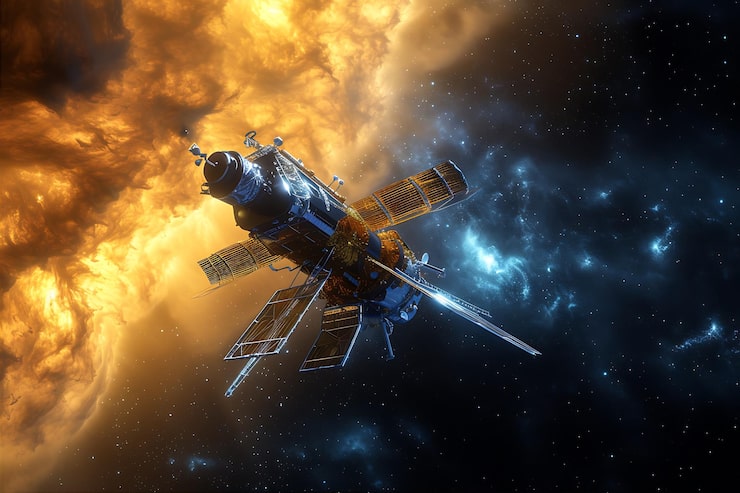
At this moment, the James Webb Space Telescope is traveling in space around a region called the Sun–Earth Lagrange Point 2, often shortened to L2.
This point is located:
Although it may sound like the telescope is standing still, it is actually moving continuously. It follows a looping path around the L2 region called a halo orbit. This orbit allows the telescope to stay aligned with Earth while maintaining a safe distance from heat and light.
Read Also: Did An Air Canada Crash Occur At LaGuardia Airport?
What Is a Lagrange Point?
A Lagrange point is a location in space where the gravitational forces of two large objects balance each other. In the case of the James Webb Telescope, those objects are the Sun and the Earth.
There are five Lagrange points in the Sun–Earth system, labeled:
Each point has unique properties, but L2 is especially useful for space telescopes. At this position, the gravitational pull of the Sun and Earth combines in a way that allows an object to remain relatively stable while orbiting the Sun along with Earth.
Why the Telescope Was Placed at L2
Scientists did not choose the telescope’s location randomly. The L2 point offers several major advantages that make it perfect for astronomy.
1. Constant Darkness
The James Webb Telescope studies faint infrared signals from distant stars and galaxies. To detect these signals, it must stay extremely cold and shielded from heat.
At L2, the Sun, Earth, and Moon remain on the same side of the telescope. This allows its giant sunshield to block their heat and light continuously.
As a result:
2. A Clear View of Space
Another reason for placing the telescope at L2 is visibility. From this location, the telescope can observe a huge portion of the universe without interruption.
It can see:
Because Earth does not block its view, the telescope can collect data for long periods without stopping.
3. Stable Temperature
Temperature stability is essential for infrared astronomy. Even small changes in heat can affect measurements.
At L2, the telescope experiences:
This stable environment allows scientists to capture extremely detailed images of the universe.
How the James Webb Telescope Stays in Position
You might think that once the telescope reached L2, it simply stopped moving. But that is not the case.
The telescope is constantly traveling through space. It follows a curved path around the L2 point called a halo orbit.
This orbit has several characteristics:
These adjustments are known as station-keeping maneuvers. They ensure the telescope remains in the correct position.
How Far Is the Telescope from Earth?
The distance between Earth and the James Webb Telescope is enormous compared to most satellites.
Here is a simple comparison:
Earth to Moon:
Approximately 384,000 kilometers
Earth to James Webb Telescope:
Approximately 1,500,000 kilometers
This means the telescope is roughly:
Four times farther away than the Moon
Because of this distance, communication signals take time to travel between Earth and the telescope.
Communication With the Telescope
Even though the telescope is very far away, scientists can still communicate with it using radio signals.
These signals travel at the speed of light, but the distance is so large that there is still a delay.
The communication time is approximately:
About 5 seconds one way
So when scientists send a command, it takes about five seconds to reach the telescope, and another five seconds for the response to return.
What the James Webb Telescope Is Doing Right Now
The telescope is currently busy performing scientific observations and collecting data from deep space. Its mission focuses on answering some of the biggest questions about the universe.
Here are the main activities it is performing:
Studying the First Galaxies
One of the telescope’s most important goals is to observe the earliest galaxies that formed after the Big Bang.
These galaxies are extremely distant, meaning their light has traveled billions of years to reach us. By studying them, scientists can learn how the universe began and evolved.
Observing Star Formation
Stars are born inside massive clouds of gas and dust. These regions are often hidden from normal telescopes because visible light cannot pass through dense dust.
The James Webb Telescope uses infrared technology to see inside these clouds and observe stars forming in real time.
You May Also Like: Who Will Be The Cinderella Team Of March Madness 2026?
Exploring Exoplanets
An exoplanet is a planet that orbits a star outside our solar system.
The telescope studies these planets by analyzing their atmospheres. Scientists look for gases such as:
These gases may provide clues about whether a planet could support life.
Mapping the Structure of the Universe
The telescope also studies the large-scale structure of the universe. This includes:
These observations help scientists understand how the universe is changing over time.
How the Telescope Got to Its Current Location
The journey of the James Webb Telescope to L2 was carefully planned and executed.
After launch, the telescope did not travel directly to its final position in a straight line. Instead, it followed a precise path through space using a series of controlled burns.
The journey took approximately:
29 days
During this time, engineers monitored every step to ensure the telescope arrived safely.
Why the Telescope Cannot Be Repaired Easily
Unlike some earlier telescopes, the James Webb Telescope is too far from Earth for astronauts to repair.
For example:
But the James Webb Telescope is located much farther away. Traveling to that distance would require a complex and expensive mission.
Because of this, engineers designed the telescope with:
These features help ensure the telescope operates reliably for many years.
How Long the Telescope Will Stay There
The original planned mission for the James Webb Telescope was about 10 years. However, the launch and flight were so efficient that the telescope saved extra fuel.
As a result, scientists now expect it to operate for:
15 to 20 years or possibly longer
The amount of remaining fuel will ultimately determine how long it can stay in its orbit.
Future Discoveries Expected From the Telescope
The James Webb Telescope is still in the early stages of its mission. Scientists believe it will make many groundbreaking discoveries in the coming years.
Possible future discoveries include:
These discoveries could reshape our understanding of space and the origins of life.
Summary
So, where is the James Webb Telescope right now?
It is located about 1.5 million kilometers from Earth at the Sun–Earth Lagrange Point 2 (L2). From this distant position, it continuously observes the universe while orbiting in a stable path known as a halo orbit.
This location provides the perfect environment for deep-space observation, allowing the telescope to remain cold, stable, and free from interference.
Thanks to its advanced technology and strategic placement, the James Webb Telescope is helping humanity explore the deepest mysteries of the universe — from the birth of galaxies to the possibility of life beyond Earth.
 Willow Stella
The James Webb Space Telescope is one of the most advanced scientific instruments ever created by humans. Since its launch on December 25, 2021, it has changed the way scientists observe the universe. With its powerful infrared technology and massive mirror, it can see farther into space and further back in time than any previous telescope.
But many people still wonder:
Where is the James Webb Telescope right now?
The answer is fascinating. The telescope is not orbiting Earth like many satellites. Instead, it is located far out in space at a special position known as the Lagrange Point 2 (L2). This location is about 1.5 million kilometers (1 million miles) away from Earth.
In this blog, we will explore the telescope’s current position, why scientists placed it there, how it stays in orbit, and what it is doing right now.
The Current Location of the James Webb Telescope
At this moment, the James Webb Space Telescope is traveling in space around a region called the Sun–Earth Lagrange Point 2, often shortened to L2.
This point is located:
Although it may sound like the telescope is standing still, it is actually moving continuously. It follows a looping path around the L2 region called a halo orbit. This orbit allows the telescope to stay aligned with Earth while maintaining a safe distance from heat and light.
Read Also: Did An Air Canada Crash Occur At LaGuardia Airport?
What Is a Lagrange Point?
A Lagrange point is a location in space where the gravitational forces of two large objects balance each other. In the case of the James Webb Telescope, those objects are the Sun and the Earth.
There are five Lagrange points in the Sun–Earth system, labeled:
Each point has unique properties, but L2 is especially useful for space telescopes. At this position, the gravitational pull of the Sun and Earth combines in a way that allows an object to remain relatively stable while orbiting the Sun along with Earth.
Why the Telescope Was Placed at L2
Scientists did not choose the telescope’s location randomly. The L2 point offers several major advantages that make it perfect for astronomy.
1. Constant Darkness
The James Webb Telescope studies faint infrared signals from distant stars and galaxies. To detect these signals, it must stay extremely cold and shielded from heat.
At L2, the Sun, Earth, and Moon remain on the same side of the telescope. This allows its giant sunshield to block their heat and light continuously.
As a result:
2. A Clear View of Space
Another reason for placing the telescope at L2 is visibility. From this location, the telescope can observe a huge portion of the universe without interruption.
It can see:
Because Earth does not block its view, the telescope can collect data for long periods without stopping.
3. Stable Temperature
Temperature stability is essential for infrared astronomy. Even small changes in heat can affect measurements.
At L2, the telescope experiences:
This stable environment allows scientists to capture extremely detailed images of the universe.
How the James Webb Telescope Stays in Position
You might think that once the telescope reached L2, it simply stopped moving. But that is not the case.
The telescope is constantly traveling through space. It follows a curved path around the L2 point called a halo orbit.
This orbit has several characteristics:
These adjustments are known as station-keeping maneuvers. They ensure the telescope remains in the correct position.
How Far Is the Telescope from Earth?
The distance between Earth and the James Webb Telescope is enormous compared to most satellites.
Here is a simple comparison:
Earth to Moon:
Approximately 384,000 kilometers
Earth to James Webb Telescope:
Approximately 1,500,000 kilometers
This means the telescope is roughly:
Four times farther away than the Moon
Because of this distance, communication signals take time to travel between Earth and the telescope.
Communication With the Telescope
Even though the telescope is very far away, scientists can still communicate with it using radio signals.
These signals travel at the speed of light, but the distance is so large that there is still a delay.
The communication time is approximately:
About 5 seconds one way
So when scientists send a command, it takes about five seconds to reach the telescope, and another five seconds for the response to return.
What the James Webb Telescope Is Doing Right Now
The telescope is currently busy performing scientific observations and collecting data from deep space. Its mission focuses on answering some of the biggest questions about the universe.
Here are the main activities it is performing:
Studying the First Galaxies
One of the telescope’s most important goals is to observe the earliest galaxies that formed after the Big Bang.
These galaxies are extremely distant, meaning their light has traveled billions of years to reach us. By studying them, scientists can learn how the universe began and evolved.
Observing Star Formation
Stars are born inside massive clouds of gas and dust. These regions are often hidden from normal telescopes because visible light cannot pass through dense dust.
The James Webb Telescope uses infrared technology to see inside these clouds and observe stars forming in real time.
You May Also Like: Who Will Be The Cinderella Team Of March Madness 2026?
Exploring Exoplanets
An exoplanet is a planet that orbits a star outside our solar system.
The telescope studies these planets by analyzing their atmospheres. Scientists look for gases such as:
These gases may provide clues about whether a planet could support life.
Mapping the Structure of the Universe
The telescope also studies the large-scale structure of the universe. This includes:
These observations help scientists understand how the universe is changing over time.
How the Telescope Got to Its Current Location
The journey of the James Webb Telescope to L2 was carefully planned and executed.
After launch, the telescope did not travel directly to its final position in a straight line. Instead, it followed a precise path through space using a series of controlled burns.
The journey took approximately:
29 days
During this time, engineers monitored every step to ensure the telescope arrived safely.
Why the Telescope Cannot Be Repaired Easily
Unlike some earlier telescopes, the James Webb Telescope is too far from Earth for astronauts to repair.
For example:
But the James Webb Telescope is located much farther away. Traveling to that distance would require a complex and expensive mission.
Because of this, engineers designed the telescope with:
These features help ensure the telescope operates reliably for many years.
How Long the Telescope Will Stay There
The original planned mission for the James Webb Telescope was about 10 years. However, the launch and flight were so efficient that the telescope saved extra fuel.
As a result, scientists now expect it to operate for:
15 to 20 years or possibly longer
The amount of remaining fuel will ultimately determine how long it can stay in its orbit.
Future Discoveries Expected From the Telescope
The James Webb Telescope is still in the early stages of its mission. Scientists believe it will make many groundbreaking discoveries in the coming years.
Possible future discoveries include:
These discoveries could reshape our understanding of space and the origins of life.
Summary
So, where is the James Webb Telescope right now?
It is located about 1.5 million kilometers from Earth at the Sun–Earth Lagrange Point 2 (L2). From this distant position, it continuously observes the universe while orbiting in a stable path known as a halo orbit.
This location provides the perfect environment for deep-space observation, allowing the telescope to remain cold, stable, and free from interference.
Thanks to its advanced technology and strategic placement, the James Webb Telescope is helping humanity explore the deepest mysteries of the universe — from the birth of galaxies to the possibility of life beyond Earth.