You know how frustrating it gets when your flight's late—again. I've dug into the latest numbers, and Chicago O'Hare International Airport (ORD) keeps coming up as the king of US airport delays, with Newark Liberty (EWR) right on its tail for both delays and cancellations. Let me walk you through what I've found from recent reports, why it happens, and how you can dodge the mess.
The Usual Suspects for Delays
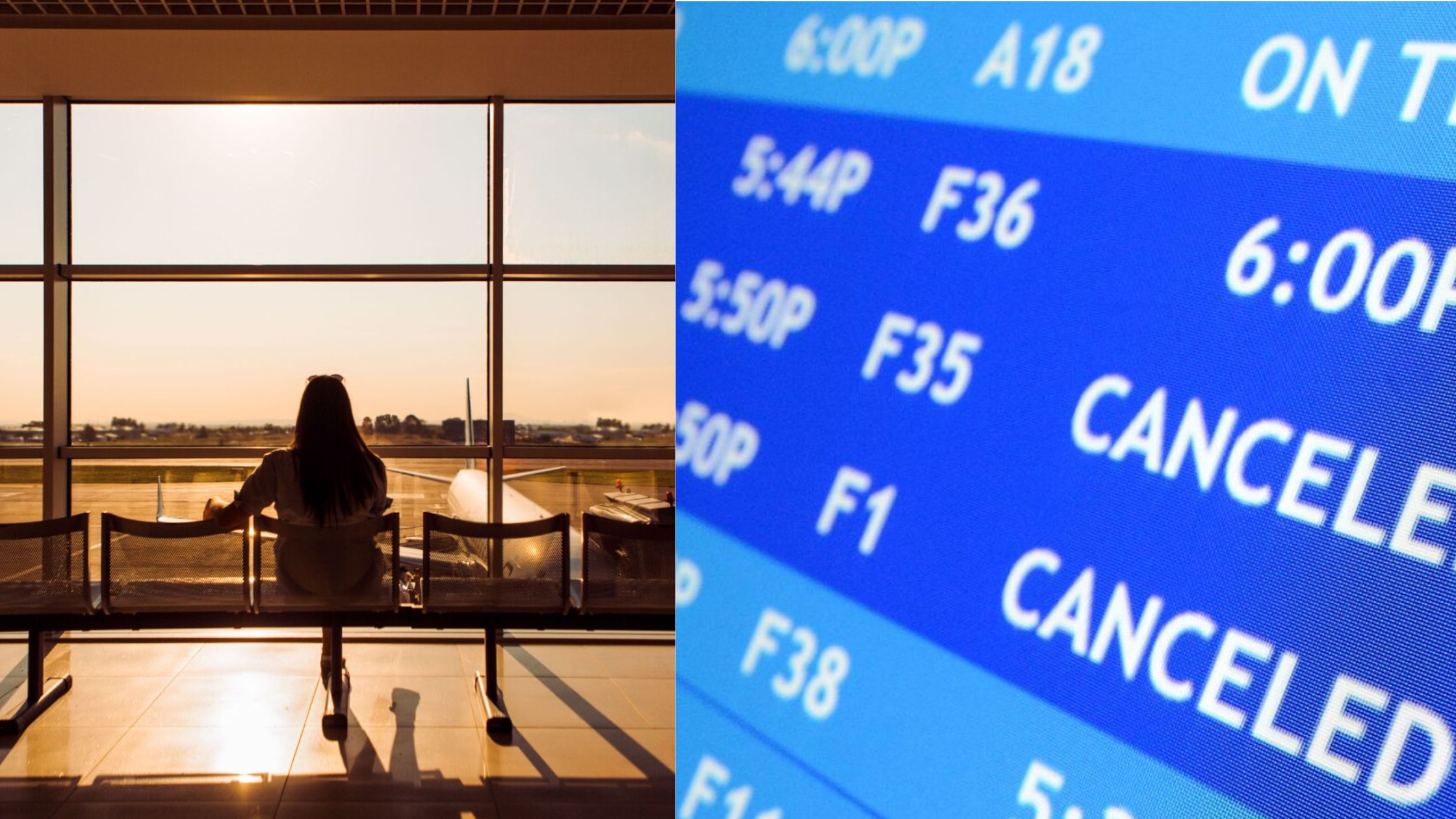
Picture this: you're at O'Hare, staring at the board, and half the flights are pushed back. In 2025 data, ORD led the pack with around 28-29% of flights delayed, beating out even busy spots like LaGuardia (LGA) at 29% and Denver (DEN) at 27%. Newark (EWR) wasn't far behind, hitting 29.1% disruption for passengers—meaning lots of folks waited over three hours.
Those stats pull from solid sources like the Bureau of Transportation Statistics (BTS), where they track on-time arrivals (anything under 15 minutes late). ORD racked up over 11,000 cancellations too, the raw highest. Reagan National (DCA) hovered at 26-28%, making the Northeast a real hotspot. It's not just one bad month; these hubs consistently underperform.
Cancellations: Who Gets Hit Hardest?
Flight cancellations US wise, ORD dominates sheer numbers because it's massive—think Midwest snow dumping 1,500 flights in one storm last November. But rates-wise, DCA has topped lists at 4.57% in past years, and EWR matches it with chronic issues.
New York-area airports like JFK, LGA, and EWR fill the top 10, thanks to gridlock. The FAA even slashed EWR flights by 25% in May 2025 over air traffic controller shortages and runway work. Philadelphia (PHL) and Miami (MIA) tag along at 26-27%, but Chicago airports feel it most in winter.
Read Also: Why are american flights being cancelled today?
What's Causing All This Chaos?
Weather's the big villain at ORD—harsh winds, blizzards, you name it. But EWR? Air traffic control woes. They had a nationwide shortage of 3,500 controllers, plus telecom glitches and construction snarling runways. High traffic at hubs like DFW and MCO piles on, creating that "Triangle of Pain" in the Northeast (LGA-DCA-EWR) where delays hit 27-32%.
Airlines play a part too—United at ORD often bottlenecks operations. Then throw in 2025 government shutdown talks freezing cancellation caps at 6% across 40 airports. It's a perfect storm of volume, staffing, and Mother Nature.
Breaking Down US Airport Delays
Zooming into US airport delays, ORD and EWR swap the top spots in BTS rankings, with on-time rates dipping below 72% at the worst like DCA (67.2%). Chicago O'Hare delays specifically? Recent logs show 22,000+ domestic flights with 0.47% over three hours late.
Terms like airport delay statistics US and major airport on-time performance lead straight to BTS dashboards. Passengers at these spots face 29% disruption—way above the national average. Flight delay rankings haven't budged much; it's the same airports year after year.
Flight Cancellations US in Focus
For flight cancellations US, ORD logged 11,442 total in key periods, while Newark airport cancellations forced FAA interventions. Airport cancellation rates climb during crises—think staffing dips or storms.
Related bits like US flight disruption report and BTS delay data spotlight PHL and MIA. Holidays amplify it all, turning minor hiccups into travel nightmares.
How It Screws Travelers
Every year, US travelers lose hours—make that days—to airport delays and cancellations, costing billions. At ORD, one snow event alone stranded thousands. Budget carriers worsen it at secondary hubs, but giants like ATL hold steady at 16% despite huge volume.
No federal payout rules here like Europe's EU261, though AirHelp can chase claims for international legs. Peak times? Forget it—delays skyrocket.
Smart Ways to Beat the Odds
Fly early morning or midday at ORD or EWR—peaks bring the pain. Apps like FlightAware ping real-time cancellation alerts; set them up.
Choose airlines with better records—Southwest dodges some hub woes. Build buffer time: two hours domestic, three international. Track Chicago O'Hare delays via FAA apps pre-trip. And travel insurance? Covers flight cancellations US headaches.
Read: How long is the flight to Africa?
Looking Ahead: Will It Improve?
FAA's pushing controller hires, and runway fixes at EWR might ease things by late 2026. But with traffic up, US airport delays won't vanish. ORD's expansion plans aim to help, yet weather's eternal.
Flight cancellations US could drop if staffing stabilizes—2025 freezes hinted at that. Watch BTS monthly rankings; they update religiously. For now, plan smart.
Final Traveler Hacks
Monitor live: Flightradar24 for ORD traffic jams.
Flexible tickets: Change fees kill rigid books.
Alternatives: Midway over O'Hare when possible; Amtrak for Northeast.
Compensation chase: DOT complaints work sometimes.
US airport delays and cancellations test us all, but knowing ORD and EWR lead lets you prep. Safe travels—may your gates open on time.
 Willow Stella
You know how frustrating it gets when your flight's late—again. I've dug into the latest numbers, and Chicago O'Hare International Airport (ORD) keeps coming up as the king of US airport delays, with Newark Liberty (EWR) right on its tail for both delays and cancellations. Let me walk you through what I've found from recent reports, why it happens, and how you can dodge the mess.
The Usual Suspects for Delays
Picture this: you're at O'Hare, staring at the board, and half the flights are pushed back. In 2025 data, ORD led the pack with around 28-29% of flights delayed, beating out even busy spots like LaGuardia (LGA) at 29% and Denver (DEN) at 27%. Newark (EWR) wasn't far behind, hitting 29.1% disruption for passengers—meaning lots of folks waited over three hours.
Those stats pull from solid sources like the Bureau of Transportation Statistics (BTS), where they track on-time arrivals (anything under 15 minutes late). ORD racked up over 11,000 cancellations too, the raw highest. Reagan National (DCA) hovered at 26-28%, making the Northeast a real hotspot. It's not just one bad month; these hubs consistently underperform.
Cancellations: Who Gets Hit Hardest?
Flight cancellations US wise, ORD dominates sheer numbers because it's massive—think Midwest snow dumping 1,500 flights in one storm last November. But rates-wise, DCA has topped lists at 4.57% in past years, and EWR matches it with chronic issues.
New York-area airports like JFK, LGA, and EWR fill the top 10, thanks to gridlock. The FAA even slashed EWR flights by 25% in May 2025 over air traffic controller shortages and runway work. Philadelphia (PHL) and Miami (MIA) tag along at 26-27%, but Chicago airports feel it most in winter.
Read Also: Why are american flights being cancelled today?
What's Causing All This Chaos?
Weather's the big villain at ORD—harsh winds, blizzards, you name it. But EWR? Air traffic control woes. They had a nationwide shortage of 3,500 controllers, plus telecom glitches and construction snarling runways. High traffic at hubs like DFW and MCO piles on, creating that "Triangle of Pain" in the Northeast (LGA-DCA-EWR) where delays hit 27-32%.
Airlines play a part too—United at ORD often bottlenecks operations. Then throw in 2025 government shutdown talks freezing cancellation caps at 6% across 40 airports. It's a perfect storm of volume, staffing, and Mother Nature.
Breaking Down US Airport Delays
Zooming into US airport delays, ORD and EWR swap the top spots in BTS rankings, with on-time rates dipping below 72% at the worst like DCA (67.2%). Chicago O'Hare delays specifically? Recent logs show 22,000+ domestic flights with 0.47% over three hours late.
Terms like airport delay statistics US and major airport on-time performance lead straight to BTS dashboards. Passengers at these spots face 29% disruption—way above the national average. Flight delay rankings haven't budged much; it's the same airports year after year.
Flight Cancellations US in Focus
For flight cancellations US, ORD logged 11,442 total in key periods, while Newark airport cancellations forced FAA interventions. Airport cancellation rates climb during crises—think staffing dips or storms.
Related bits like US flight disruption report and BTS delay data spotlight PHL and MIA. Holidays amplify it all, turning minor hiccups into travel nightmares.
How It Screws Travelers
Every year, US travelers lose hours—make that days—to airport delays and cancellations, costing billions. At ORD, one snow event alone stranded thousands. Budget carriers worsen it at secondary hubs, but giants like ATL hold steady at 16% despite huge volume.
No federal payout rules here like Europe's EU261, though AirHelp can chase claims for international legs. Peak times? Forget it—delays skyrocket.
Smart Ways to Beat the Odds
Fly early morning or midday at ORD or EWR—peaks bring the pain. Apps like FlightAware ping real-time cancellation alerts; set them up.
Choose airlines with better records—Southwest dodges some hub woes. Build buffer time: two hours domestic, three international. Track Chicago O'Hare delays via FAA apps pre-trip. And travel insurance? Covers flight cancellations US headaches.
Read: How long is the flight to Africa?
Looking Ahead: Will It Improve?
FAA's pushing controller hires, and runway fixes at EWR might ease things by late 2026. But with traffic up, US airport delays won't vanish. ORD's expansion plans aim to help, yet weather's eternal.
Flight cancellations US could drop if staffing stabilizes—2025 freezes hinted at that. Watch BTS monthly rankings; they update religiously. For now, plan smart.
Final Traveler Hacks
Monitor live: Flightradar24 for ORD traffic jams.
Flexible tickets: Change fees kill rigid books.
Alternatives: Midway over O'Hare when possible; Amtrak for Northeast.
Compensation chase: DOT complaints work sometimes.
US airport delays and cancellations test us all, but knowing ORD and EWR lead lets you prep. Safe travels—may your gates open on time.