When you hold a giant sandwich packed with meat, cheese, lettuce, and oil, you are holding a piece of history. This sandwich is called a hoagie. It is so loved that it has its own special day. Every year on May 5th, people across the United States celebrate National Hoagie Day. Another similar day, National Eat a Hoagie Day, takes place on September 14th.
But why is National Hoagie Day celebrated? Where did this sandwich come from, and how did it get its funny name? To understand why we celebrate this day, we have to look back at the history of working-class people, immigrant communities, and the city of Philadelphia.
The History Behind the Celebration
National Hoagie Day is celebrated to honor the history, culture, and great taste of Philadelphia's favorite sandwich. Food brings people together, and the hoagie is a perfect example of this.
The holiday started in Philadelphia, Pennsylvania. In 1988, the city held the very first National Hoagie Day on May 5th. Later, in 1992, the mayor of Philadelphia officially declared the hoagie as the "Official Sandwich of Philadelphia."
By celebrating this day, people remember the hard work of early immigrants who helped build American cities. It is a day to support local bakeries, butcher shops, and corner delis. Most of all, it is a day to enjoy a simple, delicious meal with family and friends.
How Did the Hoagie Get Its Name?
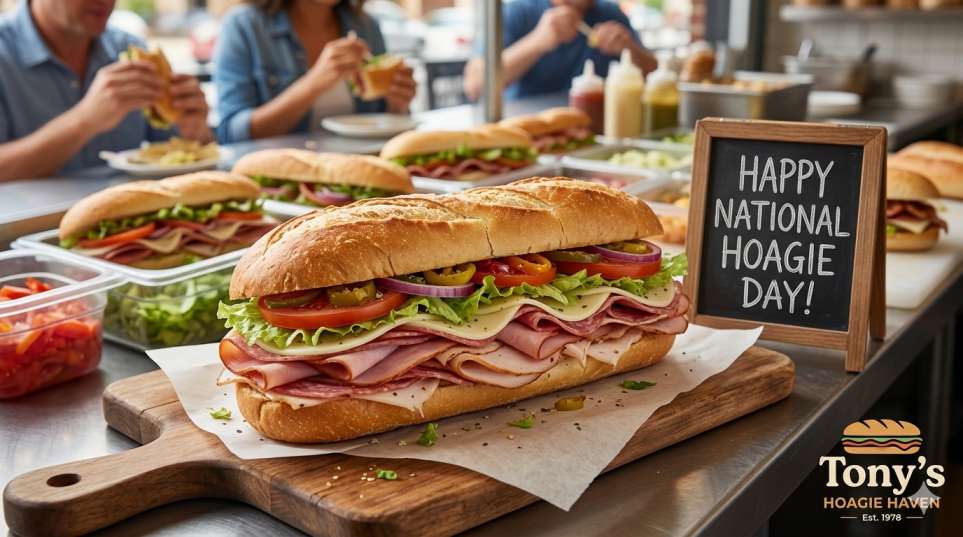
The word "hoagie" is unique. If you go to New York, people might call this sandwich a "hero." If you go to Boston, they call it a "grinder." In other places, it is simply called a "submarine" or "sub." But in Philadelphia and the surrounding areas, it is always a hoagie.
There are several stories about how this name came to be. Here are the three most popular stories.
1. The Shipyard Workers of Hog Island
The most famous story goes back to World War I. During the war, there was a large shipyard in Philadelphia called Hog Island. Many Italian immigrant laborers worked at this shipyard.
These workers needed a heavy lunch to get through long, hard days of physical labor. They would bring large Italian bread rolls stuffed with different meats, cheeses, and spices.
Because these workers were on Hog Island, people started calling their lunch the "Hog Island sandwich." Over time, people shortened the name to "hoggie." Because of the strong local Philadelphia accent, the way people said "hoggie" shifted, and it eventually became "hoagie."
2. The "Hokey Pokey" Men
Another story dates back to the late 1800s. In those days, street vendors in Philadelphia sold many different goods. These vendors were called "hokey pokey men."
Some of these vendors would take long bakery rolls, slice them open, and stuff them with meat and salad. They sold these cheap, filling meals to people on the street. Some people believe that "hokey" eventually turned into the word "hoagie."
3. The School Kids "On the Hoke"
A third story is about kids who skipped school. In old Philadelphia slang, skipping school was called being "on the hoke" or "playing hokey." Poor children or kids who were skipping school would go to local deli shops. The shop owners would give them scraps of meats and cheeses inside a long roll. These cheap rolls were called "hokie" sandwiches, which later became "hoagies."
What Makes a Real Hoagie?
You might wonder if a hoagie is just a regular sub sandwich. If you ask someone from Philadelphia, they will tell you that a real hoagie is very different from a standard sub.
The difference lies in how the sandwich is made, the bread used, and the ingredients inside.
A true hoagie is built with care. The crusty bread must be strong enough to hold all the ingredients without getting soggy.
Why the Hoagie is a Symbol of Community
The hoagie is not just fast food. It represents the history of immigrants coming to America. In the late 1800s and early 1900s, many Italian families moved to Philadelphia. They brought their love for fresh bread, cured meats, and olive oil with them. They opened small grocery stores and bakeries in their neighborhoods.
The hoagie was born because these families wanted a portable meal that tasted like home. It was cheap to make, easy to carry to work, and could feed a whole family.
Today, celebrating National Hoagie Day is a way to honor these neighborhoods. It keeps the history of these communities alive. When you buy a hoagie from a small family deli, you are helping to keep their history and business going.
How to Celebrate National Hoagie Day
There are many fun and simple ways to celebrate National Hoagie Day. Here are some of the best ways to join the fun:
Summary
National Hoagie Day is celebrated every May 5th because the hoagie is more than just a sandwich. It is a symbol of American history, hard work, and community.
From its humble beginnings in the shipyards of Philadelphia to the menus of shops across the country, the hoagie has earned its place in food history. So, when May 5th comes around, skip the usual lunch. Head to your local deli, grab a giant, crusty hoagie, and enjoy a true American classic.
Read Also : How do SEO requirements influence frontend development decisions?
 Evelyn Harper
When you hold a giant sandwich packed with meat, cheese, lettuce, and oil, you are holding a piece of history. This sandwich is called a hoagie. It is so loved that it has its own special day. Every year on May 5th, people across the United States celebrate National Hoagie Day. Another similar day, National Eat a Hoagie Day, takes place on September 14th.
But why is National Hoagie Day celebrated? Where did this sandwich come from, and how did it get its funny name? To understand why we celebrate this day, we have to look back at the history of working-class people, immigrant communities, and the city of Philadelphia.
The History Behind the Celebration
National Hoagie Day is celebrated to honor the history, culture, and great taste of Philadelphia's favorite sandwich. Food brings people together, and the hoagie is a perfect example of this.
The holiday started in Philadelphia, Pennsylvania. In 1988, the city held the very first National Hoagie Day on May 5th. Later, in 1992, the mayor of Philadelphia officially declared the hoagie as the "Official Sandwich of Philadelphia."
By celebrating this day, people remember the hard work of early immigrants who helped build American cities. It is a day to support local bakeries, butcher shops, and corner delis. Most of all, it is a day to enjoy a simple, delicious meal with family and friends.
How Did the Hoagie Get Its Name?
The word "hoagie" is unique. If you go to New York, people might call this sandwich a "hero." If you go to Boston, they call it a "grinder." In other places, it is simply called a "submarine" or "sub." But in Philadelphia and the surrounding areas, it is always a hoagie.
There are several stories about how this name came to be. Here are the three most popular stories.
1. The Shipyard Workers of Hog Island
The most famous story goes back to World War I. During the war, there was a large shipyard in Philadelphia called Hog Island. Many Italian immigrant laborers worked at this shipyard.
These workers needed a heavy lunch to get through long, hard days of physical labor. They would bring large Italian bread rolls stuffed with different meats, cheeses, and spices.
Because these workers were on Hog Island, people started calling their lunch the "Hog Island sandwich." Over time, people shortened the name to "hoggie." Because of the strong local Philadelphia accent, the way people said "hoggie" shifted, and it eventually became "hoagie."
2. The "Hokey Pokey" Men
Another story dates back to the late 1800s. In those days, street vendors in Philadelphia sold many different goods. These vendors were called "hokey pokey men."
Some of these vendors would take long bakery rolls, slice them open, and stuff them with meat and salad. They sold these cheap, filling meals to people on the street. Some people believe that "hokey" eventually turned into the word "hoagie."
3. The School Kids "On the Hoke"
A third story is about kids who skipped school. In old Philadelphia slang, skipping school was called being "on the hoke" or "playing hokey." Poor children or kids who were skipping school would go to local deli shops. The shop owners would give them scraps of meats and cheeses inside a long roll. These cheap rolls were called "hokie" sandwiches, which later became "hoagies."
What Makes a Real Hoagie?
You might wonder if a hoagie is just a regular sub sandwich. If you ask someone from Philadelphia, they will tell you that a real hoagie is very different from a standard sub.
The difference lies in how the sandwich is made, the bread used, and the ingredients inside.
A true hoagie is built with care. The crusty bread must be strong enough to hold all the ingredients without getting soggy.
Why the Hoagie is a Symbol of Community
The hoagie is not just fast food. It represents the history of immigrants coming to America. In the late 1800s and early 1900s, many Italian families moved to Philadelphia. They brought their love for fresh bread, cured meats, and olive oil with them. They opened small grocery stores and bakeries in their neighborhoods.
The hoagie was born because these families wanted a portable meal that tasted like home. It was cheap to make, easy to carry to work, and could feed a whole family.
Today, celebrating National Hoagie Day is a way to honor these neighborhoods. It keeps the history of these communities alive. When you buy a hoagie from a small family deli, you are helping to keep their history and business going.
How to Celebrate National Hoagie Day
There are many fun and simple ways to celebrate National Hoagie Day. Here are some of the best ways to join the fun:
Summary
National Hoagie Day is celebrated every May 5th because the hoagie is more than just a sandwich. It is a symbol of American history, hard work, and community.
From its humble beginnings in the shipyards of Philadelphia to the menus of shops across the country, the hoagie has earned its place in food history. So, when May 5th comes around, skip the usual lunch. Head to your local deli, grab a giant, crusty hoagie, and enjoy a true American classic.
Read Also : How do SEO requirements influence frontend development decisions?