Weather forecasters are warning residents to prepare for two challenging days of weather. Meteorologists predict strong winds on Friday. Then, a winter storm will hit over the weekend.
Each event has its own risks. Yet, both can impact travel, power, and daily routines. Understanding what to expect can help people stay safe and avoid unnecessary problems.
This weather pattern is developing due to a powerful system moving across the region. Warm and cold air masses are clashing in the atmosphere. As the system strengthens, it first produces strong winds. Later, colder air arrives and turns the system into a winter storm.
Strong Winds Expected on Friday
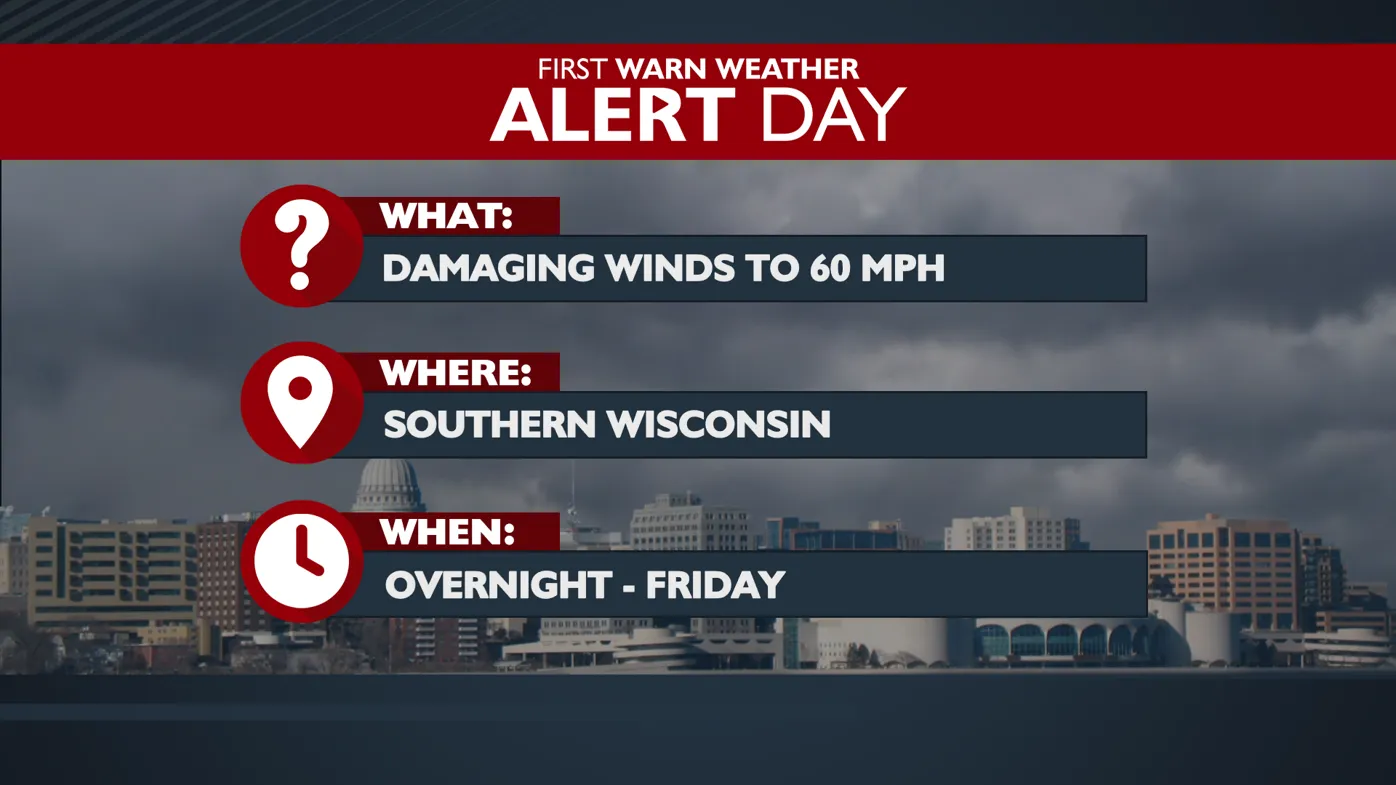
Friday will begin with increasing winds across many areas. Meteorologists say wind speeds may range from 30 to 45 miles per hour. In some locations, gusts could reach 50 miles per hour or more. These winds are strong enough to cause damage and disrupt normal activities.
Read Also: Winter weather advisory issued for multiple counties followed by dangerous cold
High winds can knock down tree branches and weak power lines. In areas with older trees or loose soil, entire trees may fall. When this happens, blocked roads may occur and interruptions in electricity can happen. Even small branches can become dangerous when blown by strong gusts.
Driving conditions may also become difficult. High-profile vehicles like trucks, buses, and vans are very prone to strong crosswinds. Drivers should slow down and keep both hands firmly on the steering wheel. It is also wise to avoid parking vehicles under large trees.
Strong winds can easily blow away outdoor items. Secure the garbage bins. Put away the patio furniture. Move the decorations before the winds start. Construction materials and temporary structures should also be checked for safety.
Wind events often occur rapidly. Yet, the effects can last longer if power outages or fallen trees occur. Local authorities may send crews to repair damage and clear debris from roads.
Transition Toward a Winter Storm
After the windy conditions on Friday, the weather system will continue to develop. By late Friday night or early Saturday, colder air will move into the region. This change in temperature is what allows the system to produce snow, ice, or freezing rain.
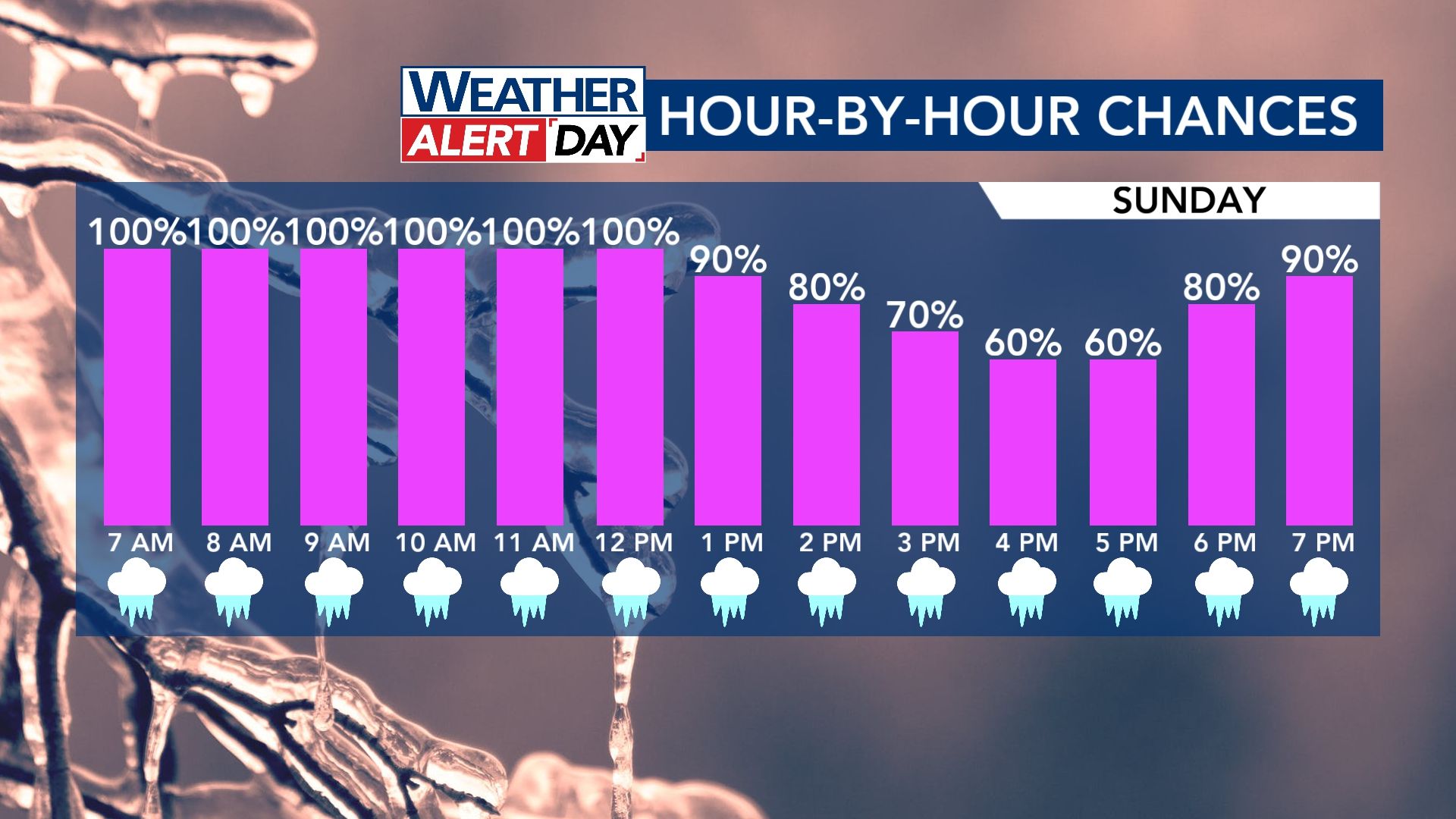
Meteorologists check temperature levels in the atmosphere during these situations with great attention. If temperatures stay above freezing, rain may fall instead of snow. But if temperatures drop even a few degrees, precipitation can transform into snow or ice in a short time.
Because the system is strong, it may produce several types of winter weather. Some areas may see heavy snowfall, while others may experience sleet or freezing rain. Each form of winter precipitation brings different hazards.
Weekend Winter Storm Impacts
The weekend winter storm could bring significant travel problems. Snow-covered roads reduce tire traction and make braking more difficult. Drivers may have a tough time controlling their vehicles. This is true during sudden stops and sharp turns.
If freezing rain occurs, conditions can become even more dangerous. Freezing rain creates a thin layer of ice on roads, sidewalks, and power lines. This ice is often hard to see, which is why it is sometimes called “black ice.”
Heavy snow may also accumulate in certain areas. Snow buildup can slow traffic and delay flights at major airports. Snow removal crews may work throughout the storm to keep roads open, but travel could still be slow.
Strong winds may continue into the weekend as well. When wind combines with falling snow, it can create blowing and drifting snow. This reduces visibility and makes it harder for drivers to see the road ahead.
Power outages are another possible impact. Ice buildup on power lines can add extra weight. When combined with wind, this can cause lines to snap or poles to break. Utility crews prepare for these situations. Yet, repairs can take time during severe storms.
How Residents Can Prepare?
Preparation is one of the best ways to stay safe during severe weather. Before the winds start on Friday, residents should secure loose outdoor items. They should also check their emergency supplies. A basic emergency kit should include:-
If power outages occur, these supplies can make a big difference. People should also check weather forecasts on a regular basis. Weather conditions can change suddenly, especially during winter storms.
Local news stations and official weather services provide updates and warnings when necessary. You may need to adjust your travel plans. If the winter storm becomes severe, it may be safer to delay trips until conditions improve.
For those who must travel, it is important to keep a winter emergency kit in the car. This kit can include a blanket, snacks, water, and a small shovel.
Safety Tips for the Storm
During strong winds, staying indoors is the safest option whenever possible. Avoid walking near construction areas, large trees, or power lines. If a power line falls, never approach it. Instead, report it to local authorities.
In a winter storm, drivers must slow down and keep more space between cars. Sudden braking can cause a vehicle to slide on icy roads. Using headlights in snowy conditions also improves visibility.
Homeowners should check heating systems to confirm they are functioning correctly. Cold temperatures during a storm can place extra demand on heating equipment.
Looking Ahead
Weather events like this are not unusual during the colder months, but preparation is key. Strong winds on Friday might cause brief disruptions. Then, the winter storm over the weekend could lead to longer-lasting effects.
Meteorologists will continue to track the system as it moves closer. Forecast models will become more accurate as new data become available.
Local authorities encourage residents to stay informed and follow their guidance. Communities can lower the risks of severe weather by taking simple precautions now.
To stay safe in windy weather and the upcoming winter storm, do these things:
Secure outdoor items.
Plan your travel carefully.
Keep emergency supplies ready
The weather might get tough in the coming days, but being prepared and aware can help a lot. Staying informed and cautious will help everyone navigate these alert days safely.
Read Also : What evidence does the FBI have that Iran aspired to launch drone attacks on California?
 Luciano Paul
Weather forecasters are warning residents to prepare for two challenging days of weather. Meteorologists predict strong winds on Friday. Then, a winter storm will hit over the weekend.
Each event has its own risks. Yet, both can impact travel, power, and daily routines. Understanding what to expect can help people stay safe and avoid unnecessary problems.
This weather pattern is developing due to a powerful system moving across the region. Warm and cold air masses are clashing in the atmosphere. As the system strengthens, it first produces strong winds. Later, colder air arrives and turns the system into a winter storm.
Strong Winds Expected on Friday
Friday will begin with increasing winds across many areas. Meteorologists say wind speeds may range from 30 to 45 miles per hour. In some locations, gusts could reach 50 miles per hour or more. These winds are strong enough to cause damage and disrupt normal activities.
Read Also: Winter weather advisory issued for multiple counties followed by dangerous cold
High winds can knock down tree branches and weak power lines. In areas with older trees or loose soil, entire trees may fall. When this happens, blocked roads may occur and interruptions in electricity can happen. Even small branches can become dangerous when blown by strong gusts.
Driving conditions may also become difficult. High-profile vehicles like trucks, buses, and vans are very prone to strong crosswinds. Drivers should slow down and keep both hands firmly on the steering wheel. It is also wise to avoid parking vehicles under large trees.
Strong winds can easily blow away outdoor items. Secure the garbage bins. Put away the patio furniture. Move the decorations before the winds start. Construction materials and temporary structures should also be checked for safety.
Wind events often occur rapidly. Yet, the effects can last longer if power outages or fallen trees occur. Local authorities may send crews to repair damage and clear debris from roads.
Transition Toward a Winter Storm
After the windy conditions on Friday, the weather system will continue to develop. By late Friday night or early Saturday, colder air will move into the region. This change in temperature is what allows the system to produce snow, ice, or freezing rain.
Meteorologists check temperature levels in the atmosphere during these situations with great attention. If temperatures stay above freezing, rain may fall instead of snow. But if temperatures drop even a few degrees, precipitation can transform into snow or ice in a short time.
Because the system is strong, it may produce several types of winter weather. Some areas may see heavy snowfall, while others may experience sleet or freezing rain. Each form of winter precipitation brings different hazards.
Weekend Winter Storm Impacts
The weekend winter storm could bring significant travel problems. Snow-covered roads reduce tire traction and make braking more difficult. Drivers may have a tough time controlling their vehicles. This is true during sudden stops and sharp turns.
If freezing rain occurs, conditions can become even more dangerous. Freezing rain creates a thin layer of ice on roads, sidewalks, and power lines. This ice is often hard to see, which is why it is sometimes called “black ice.”
Heavy snow may also accumulate in certain areas. Snow buildup can slow traffic and delay flights at major airports. Snow removal crews may work throughout the storm to keep roads open, but travel could still be slow.
Strong winds may continue into the weekend as well. When wind combines with falling snow, it can create blowing and drifting snow. This reduces visibility and makes it harder for drivers to see the road ahead.
Power outages are another possible impact. Ice buildup on power lines can add extra weight. When combined with wind, this can cause lines to snap or poles to break. Utility crews prepare for these situations. Yet, repairs can take time during severe storms.
How Residents Can Prepare?
Preparation is one of the best ways to stay safe during severe weather. Before the winds start on Friday, residents should secure loose outdoor items. They should also check their emergency supplies. A basic emergency kit should include:-
If power outages occur, these supplies can make a big difference. People should also check weather forecasts on a regular basis. Weather conditions can change suddenly, especially during winter storms.
Local news stations and official weather services provide updates and warnings when necessary. You may need to adjust your travel plans. If the winter storm becomes severe, it may be safer to delay trips until conditions improve.
For those who must travel, it is important to keep a winter emergency kit in the car. This kit can include a blanket, snacks, water, and a small shovel.
Safety Tips for the Storm
During strong winds, staying indoors is the safest option whenever possible. Avoid walking near construction areas, large trees, or power lines. If a power line falls, never approach it. Instead, report it to local authorities.
In a winter storm, drivers must slow down and keep more space between cars. Sudden braking can cause a vehicle to slide on icy roads. Using headlights in snowy conditions also improves visibility.
Homeowners should check heating systems to confirm they are functioning correctly. Cold temperatures during a storm can place extra demand on heating equipment.
Looking Ahead
Weather events like this are not unusual during the colder months, but preparation is key. Strong winds on Friday might cause brief disruptions. Then, the winter storm over the weekend could lead to longer-lasting effects.
Meteorologists will continue to track the system as it moves closer. Forecast models will become more accurate as new data become available.
Local authorities encourage residents to stay informed and follow their guidance. Communities can lower the risks of severe weather by taking simple precautions now.
To stay safe in windy weather and the upcoming winter storm, do these things:
Secure outdoor items.
Plan your travel carefully.
Keep emergency supplies ready
The weather might get tough in the coming days, but being prepared and aware can help a lot. Staying informed and cautious will help everyone navigate these alert days safely.
Read Also : What evidence does the FBI have that Iran aspired to launch drone attacks on California?