As winter grows stronger, weather authorities have issued a Winter Weather Advisory for many counties. They warn residents of possible hazardous conditions in the area. This advisory includes snow, sleet, and freezing rain. It also warns of dangerously cold temperatures. These conditions could seriously harm health and safety.
Winter storms aren’t just annoying. They cause problems like slick roads, power outages, and greater risks of frostbite and hypothermia. Forecasts show big changes in weather patterns.
So, it’s important for those in affected areas to take precautions and stay informed. Let's look at the Winter Weather Advisory details, the risks involved, and key tips to stay safe in these severe conditions.
What Is a Winter Weather Advisory?
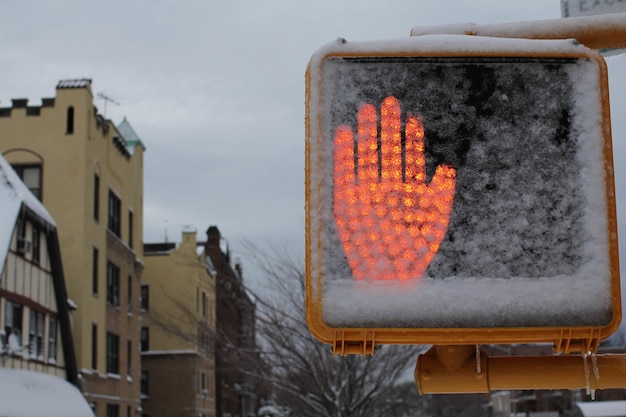
A Winter Weather Advisory is issued by the National Weather Service (NWS) when winter weather is expected. However, it won't reach the level of a winter storm warning. These conditions usually involve moderate snowfall, freezing rain, sleet, or a mix of these.
Read Also: What kind of weather is associated with severe thunderstorms?
In general, the advisory indicates that travel may become hazardous, with icy roads and reduced visibility. The advisory may cover areas with freezing rain or light snow. These conditions can create slippery surfaces, making driving dangerous.
An advisory has been issued for several counties in the area. This means expected winter weather may cause disruptions. Snow may pile up 1-3 inches. There’s also a chance of freezing rain and sleet. This will lead to icy roads, making travel hard and risky. Authorities have urged people in these areas to stay off the roads unless absolutely necessary.
Key Concerns: Dangerous Cold and Its Effects
While the winter weather itself poses immediate challenges, the cold that follows it is even more concerning. After the precipitation stops, frigid air will move in.
This will cause sub-zero wind chills and dangerously cold temperatures. These frigid conditions can be particularly dangerous for those who are unprepared.
Freezing temperatures with strong winds create dangerously low wind chills. This makes it feel much colder than the actual air temperature. Wind chills below -20°F can cause frostbite to exposed skin in as little as 30 minutes, putting people at serious risk. Cold weather can worsen health issues for those with medical conditions. This includes respiratory illnesses, heart problems, and circulatory issues.
The extreme cold also places extra strain on local infrastructure. Freezing pipes, power outages, and higher heating needs can disrupt residents and businesses. As temperatures drop, it's crucial to keep homes well-insulated. This helps prevent the risks of hypothermia and frostbite.
How to Stay Safe During a Winter Weather Advisory?
Prepare Your Home: In advance of the storm, make sure your home is ready for the cold. Insulate windows and doors to keep heat inside, and check that your heating system is working efficiently. If you have a fireplace, ensure the chimney is clean and in good condition. Stock up on extra blankets, warm clothing, and non-perishable foods in case of power outages. Keep a battery-powered flashlight and extra batteries available.
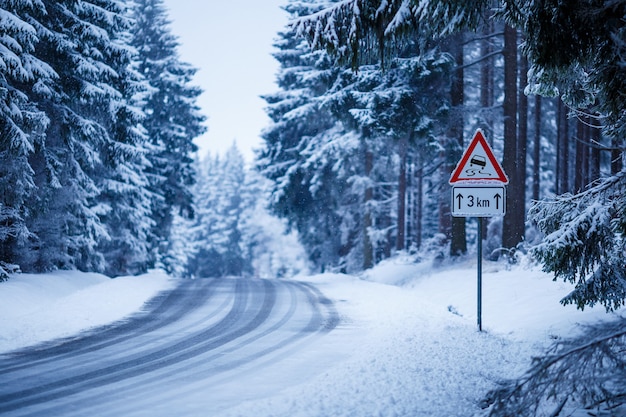
Avoid Travel If Possible: When a Winter Weather Advisory is in effect, the safest option is often to stay off the roads. Freezing rain and sleet can cause black ice, making driving hazardous. If you must travel, equip your vehicle with winter tires. Carry an emergency kit with warm clothes, water, and snacks. Also, make sure your phone is fully charged for emergencies.
Protect Your Skin: Cold weather and wind can cause frostbite. This is especially true for exposed areas like your nose, ears, fingers, and toes. If you must go outside, wear many layers of clothing, including gloves, scarves, and hats to cover as much exposed skin as possible. Avoid tight clothing that can restrict circulation, and take breaks inside to warm up regularly.
Monitor Weather Updates: With rapidly changing weather conditions, it’s essential to stay informed. Check local news, social media, and the National Weather Service for updates on the Winter Weather Advisory and any cold-related warnings. This will allow you to adjust your plans as necessary and ensure you’re aware of any emergencies that may arise.
Check on Vulnerable Neighbors: In freezing weather, some people need extra help. This includes the elderly, young children, and those with chronic health issues. They are at higher risk. If possible, check on neighbors who may need help with heating their homes or getting access to essential services. Local shelters or community groups may help during severe weather events.
Ensure Your Car Is Prepared: Before heading out, ensure your car is equipped for winter driving. Check that your tires are in good condition and properly inflated. Keep your gas tank at least half full to prevent fuel lines from freezing. Your car should have a winter emergency kit. This kit needs jumper cables, an ice scraper, blankets, bottled water, and non-perishable snacks.
Know the Dangers of Hypothermia and Frostbite: Spending too much time in the cold can cause hypothermia and frostbite. Hypothermia occurs when the body’s temperature drops below 95°F, leading to confusion, shivering, and fatigue. Frostbite occurs when the skin and underlying tissues freeze, often affecting fingers, toes, ears, and the nose. Both conditions are serious and need immediate medical attention. If you or someone you’re with shows signs of hypothermia or frostbite, seek medical help immediately.
More Considerations
The Winter Weather Advisory brings immediate health and safety risks. The cold temperatures that follow can also have lasting effects. A winter storm can cause power outages.
This leaves communities without heat or the means to cook food for a long time. Local governments will often work to restore power as quickly as possible, but in some cases, this can take hours or even days.
Local authorities often set up warming centers or emergency shelters for those who cannot stay in their homes due to the cold. If you can't stay warm, find shelter at one of these centers until things get better.
Conclusion
A Winter Weather Advisory and cold temperatures pose serious challenges for communities in those counties. Due to snow, sleet, and freezing rain making travel dangerous, residents should take precautions. The cold can also harm health and safety.
Staying prepared is essential for extreme weather. You can do this by:
Staying off the roads
Dressing in layers
Insulating your home
Stay informed, stay warm, and stay safe as we weather the storm together.
Read Also : How does choosing the right home loan finance company impact long-term financial health?
 Christina Berglund
As winter grows stronger, weather authorities have issued a Winter Weather Advisory for many counties. They warn residents of possible hazardous conditions in the area. This advisory includes snow, sleet, and freezing rain. It also warns of dangerously cold temperatures. These conditions could seriously harm health and safety.
Winter storms aren’t just annoying. They cause problems like slick roads, power outages, and greater risks of frostbite and hypothermia. Forecasts show big changes in weather patterns.
So, it’s important for those in affected areas to take precautions and stay informed. Let's look at the Winter Weather Advisory details, the risks involved, and key tips to stay safe in these severe conditions.
What Is a Winter Weather Advisory?
A Winter Weather Advisory is issued by the National Weather Service (NWS) when winter weather is expected. However, it won't reach the level of a winter storm warning. These conditions usually involve moderate snowfall, freezing rain, sleet, or a mix of these.
Read Also: What kind of weather is associated with severe thunderstorms?
In general, the advisory indicates that travel may become hazardous, with icy roads and reduced visibility. The advisory may cover areas with freezing rain or light snow. These conditions can create slippery surfaces, making driving dangerous.
An advisory has been issued for several counties in the area. This means expected winter weather may cause disruptions. Snow may pile up 1-3 inches. There’s also a chance of freezing rain and sleet. This will lead to icy roads, making travel hard and risky. Authorities have urged people in these areas to stay off the roads unless absolutely necessary.
Key Concerns: Dangerous Cold and Its Effects
While the winter weather itself poses immediate challenges, the cold that follows it is even more concerning. After the precipitation stops, frigid air will move in.
This will cause sub-zero wind chills and dangerously cold temperatures. These frigid conditions can be particularly dangerous for those who are unprepared.
Freezing temperatures with strong winds create dangerously low wind chills. This makes it feel much colder than the actual air temperature. Wind chills below -20°F can cause frostbite to exposed skin in as little as 30 minutes, putting people at serious risk. Cold weather can worsen health issues for those with medical conditions. This includes respiratory illnesses, heart problems, and circulatory issues.
The extreme cold also places extra strain on local infrastructure. Freezing pipes, power outages, and higher heating needs can disrupt residents and businesses. As temperatures drop, it's crucial to keep homes well-insulated. This helps prevent the risks of hypothermia and frostbite.
How to Stay Safe During a Winter Weather Advisory?
Prepare Your Home: In advance of the storm, make sure your home is ready for the cold. Insulate windows and doors to keep heat inside, and check that your heating system is working efficiently. If you have a fireplace, ensure the chimney is clean and in good condition. Stock up on extra blankets, warm clothing, and non-perishable foods in case of power outages. Keep a battery-powered flashlight and extra batteries available.
Avoid Travel If Possible: When a Winter Weather Advisory is in effect, the safest option is often to stay off the roads. Freezing rain and sleet can cause black ice, making driving hazardous. If you must travel, equip your vehicle with winter tires. Carry an emergency kit with warm clothes, water, and snacks. Also, make sure your phone is fully charged for emergencies.
Protect Your Skin: Cold weather and wind can cause frostbite. This is especially true for exposed areas like your nose, ears, fingers, and toes. If you must go outside, wear many layers of clothing, including gloves, scarves, and hats to cover as much exposed skin as possible. Avoid tight clothing that can restrict circulation, and take breaks inside to warm up regularly.
Monitor Weather Updates: With rapidly changing weather conditions, it’s essential to stay informed. Check local news, social media, and the National Weather Service for updates on the Winter Weather Advisory and any cold-related warnings. This will allow you to adjust your plans as necessary and ensure you’re aware of any emergencies that may arise.
Check on Vulnerable Neighbors: In freezing weather, some people need extra help. This includes the elderly, young children, and those with chronic health issues. They are at higher risk. If possible, check on neighbors who may need help with heating their homes or getting access to essential services. Local shelters or community groups may help during severe weather events.
Ensure Your Car Is Prepared: Before heading out, ensure your car is equipped for winter driving. Check that your tires are in good condition and properly inflated. Keep your gas tank at least half full to prevent fuel lines from freezing. Your car should have a winter emergency kit. This kit needs jumper cables, an ice scraper, blankets, bottled water, and non-perishable snacks.
Know the Dangers of Hypothermia and Frostbite: Spending too much time in the cold can cause hypothermia and frostbite. Hypothermia occurs when the body’s temperature drops below 95°F, leading to confusion, shivering, and fatigue. Frostbite occurs when the skin and underlying tissues freeze, often affecting fingers, toes, ears, and the nose. Both conditions are serious and need immediate medical attention. If you or someone you’re with shows signs of hypothermia or frostbite, seek medical help immediately.
More Considerations
The Winter Weather Advisory brings immediate health and safety risks. The cold temperatures that follow can also have lasting effects. A winter storm can cause power outages.
This leaves communities without heat or the means to cook food for a long time. Local governments will often work to restore power as quickly as possible, but in some cases, this can take hours or even days.
Local authorities often set up warming centers or emergency shelters for those who cannot stay in their homes due to the cold. If you can't stay warm, find shelter at one of these centers until things get better.
Conclusion
A Winter Weather Advisory and cold temperatures pose serious challenges for communities in those counties. Due to snow, sleet, and freezing rain making travel dangerous, residents should take precautions. The cold can also harm health and safety.
Staying prepared is essential for extreme weather. You can do this by:
Staying off the roads
Dressing in layers
Insulating your home
Stay informed, stay warm, and stay safe as we weather the storm together.
Read Also : How does choosing the right home loan finance company impact long-term financial health?