I used to think war was only about soldiers and battles. But then I learned about ecocide in Ukraine, and it changed how I saw everything. My friend once said, “How can a war hurt trees or rivers?” It sounds strange, right? But that’s exactly what’s happening.
When Russia blew up Ukraine’s Kakhovka Dam in 2023, it didn’t only flood towns. It drowned homes, farmlands, and animals. It was like someone tearing up the roots of the country itself. That’s the kind of pain you can’t fix overnight.
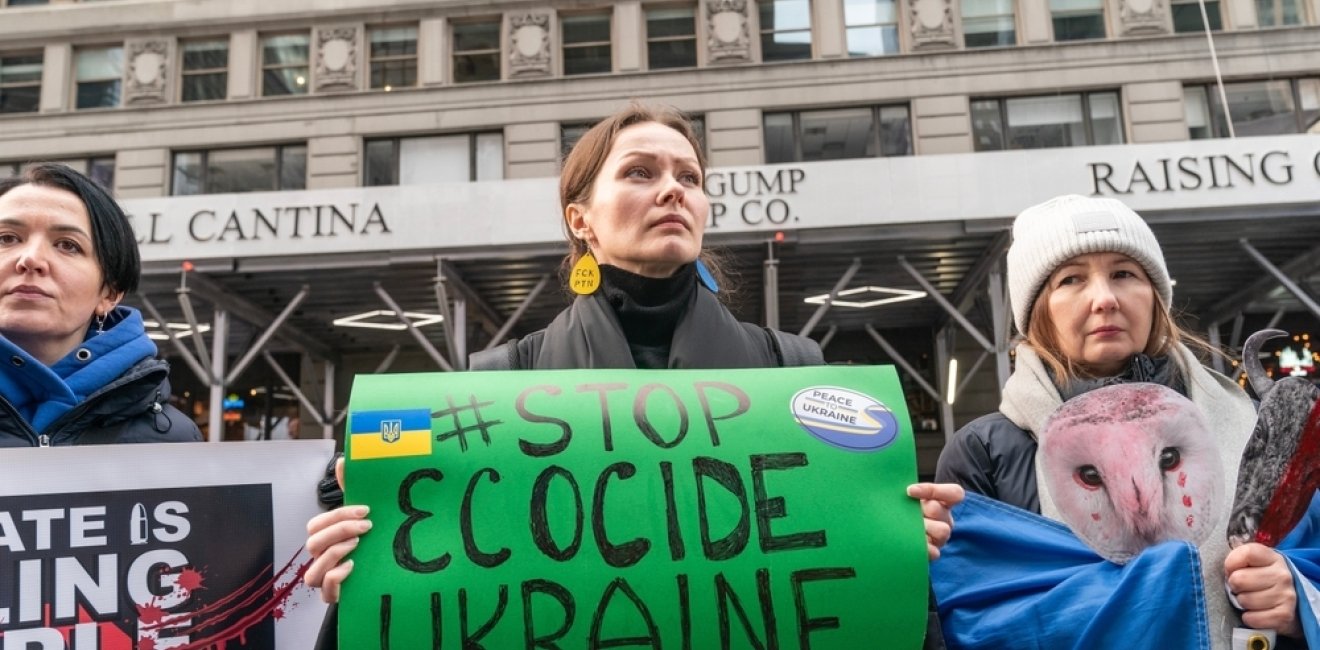
What Is Ecocide in Ukraine?
Ecocide means destroying the environment on purpose — killing nature as an act of war. In Ukraine, this means burned wheat fields, poisoned rivers, and forests filled with landmines.
Imagine you can’t even go mushroom picking with your family anymore because the woods are dangerous. That’s what’s happening now.
And the damage isn’t small. When the dam burst, it flooded thousands of square kilometers. Whole areas turned into swamps or dry wastelands. Animals died. People lost their farms. It’s not only nature that suffers — it’s the people, too.
Why the Land Means So Much to Ukrainians
Ukraine isn’t called “the breadbasket of Europe” for nothing. The soil there, called “chornozem,” is dark and rich. It grows wheat, sunflower oil, and food that feeds millions. But farming in war is hard when the land burns or is full of bombs.
For Ukrainians, the land isn’t only dirt and plants. It’s history. It’s songs, food, and stories passed down through families. Traditions like Zeleni Sviata and Ivana Kupala celebrate nature — flowers, water, and the summer sun. When the land dies, those traditions fade, too.
It’s like tearing pages out of a family album — the pictures may be gone, but the emptiness stays.
The Past Still Hurts: From Holodomor to Today
Many Ukrainians still remember the Holodomor, a man-made famine in the 1930s that killed millions. Families told stories of hunger and fear. So when Russia burns grain fields today, it feels like history repeating itself.
Food in Ukraine isn’t only for eating. It’s memory. It’s survival. Bread is sacred because people once starved for it. So destroying grain is more than an attack on crops — it’s an attack on the soul of the nation.
How Ecocide Affects the Whole World
You might think, “That’s sad, but how does it affect me?” Well, Ukraine sends food to countries across the world — even to places like Syria and Palestine through its Grain from Ukraine program. When war stops that, people far away go hungry.
And there’s something else. War doesn’t only kill people; it hurts the planet. Bombs and fires release greenhouse gases. Planes and tanks burn tons of fuel. So, this war adds to climate change, too. It’s like setting a fire that keeps spreading.
The Loss That Can’t Be Measured
Some damage you can count — like how many homes or farms were lost. But some pain can’t be counted. For example, in the city of Mariupol, people couldn’t even bury their loved ones. One woman, Nadiya Sukhorukova, wrote in her diary about keeping her grandmother’s body on a balcony because there was no safe place to dig a grave.
That’s how deep this goes. When war takes away your land, your home, and even your way to mourn — it takes away your humanity.
Why We Must Talk About It
If the world ignores what’s happening, then it becomes normal. But it’s not normal to bomb rivers or burn wheat. Calling it ecocide in Ukraine isn’t only about naming the crime. It’s about refusing to look away.
Because war doesn’t end when the shooting stops. The poisoned soil, the lost forests, the broken families — they stay for generations.
So next time you see bread on your table, think about where it might have come from. Think of the people who are fighting not just for freedom, but for the right to keep their land alive.
 White Clover Markets
I used to think war was only about soldiers and battles. But then I learned about ecocide in Ukraine, and it changed how I saw everything. My friend once said, “How can a war hurt trees or rivers?” It sounds strange, right? But that’s exactly what’s happening.
When Russia blew up Ukraine’s Kakhovka Dam in 2023, it didn’t only flood towns. It drowned homes, farmlands, and animals. It was like someone tearing up the roots of the country itself. That’s the kind of pain you can’t fix overnight.
What Is Ecocide in Ukraine?
Ecocide means destroying the environment on purpose — killing nature as an act of war. In Ukraine, this means burned wheat fields, poisoned rivers, and forests filled with landmines.
Imagine you can’t even go mushroom picking with your family anymore because the woods are dangerous. That’s what’s happening now.
And the damage isn’t small. When the dam burst, it flooded thousands of square kilometers. Whole areas turned into swamps or dry wastelands. Animals died. People lost their farms. It’s not only nature that suffers — it’s the people, too.
Why the Land Means So Much to Ukrainians
Ukraine isn’t called “the breadbasket of Europe” for nothing. The soil there, called “chornozem,” is dark and rich. It grows wheat, sunflower oil, and food that feeds millions. But farming in war is hard when the land burns or is full of bombs.
For Ukrainians, the land isn’t only dirt and plants. It’s history. It’s songs, food, and stories passed down through families. Traditions like Zeleni Sviata and Ivana Kupala celebrate nature — flowers, water, and the summer sun. When the land dies, those traditions fade, too.
It’s like tearing pages out of a family album — the pictures may be gone, but the emptiness stays.
The Past Still Hurts: From Holodomor to Today
Many Ukrainians still remember the Holodomor, a man-made famine in the 1930s that killed millions. Families told stories of hunger and fear. So when Russia burns grain fields today, it feels like history repeating itself.
Food in Ukraine isn’t only for eating. It’s memory. It’s survival. Bread is sacred because people once starved for it. So destroying grain is more than an attack on crops — it’s an attack on the soul of the nation.
How Ecocide Affects the Whole World
You might think, “That’s sad, but how does it affect me?” Well, Ukraine sends food to countries across the world — even to places like Syria and Palestine through its Grain from Ukraine program. When war stops that, people far away go hungry.
And there’s something else. War doesn’t only kill people; it hurts the planet. Bombs and fires release greenhouse gases. Planes and tanks burn tons of fuel. So, this war adds to climate change, too. It’s like setting a fire that keeps spreading.
The Loss That Can’t Be Measured
Some damage you can count — like how many homes or farms were lost. But some pain can’t be counted. For example, in the city of Mariupol, people couldn’t even bury their loved ones. One woman, Nadiya Sukhorukova, wrote in her diary about keeping her grandmother’s body on a balcony because there was no safe place to dig a grave.
That’s how deep this goes. When war takes away your land, your home, and even your way to mourn — it takes away your humanity.
Why We Must Talk About It
If the world ignores what’s happening, then it becomes normal. But it’s not normal to bomb rivers or burn wheat. Calling it ecocide in Ukraine isn’t only about naming the crime. It’s about refusing to look away.
Because war doesn’t end when the shooting stops. The poisoned soil, the lost forests, the broken families — they stay for generations.
So next time you see bread on your table, think about where it might have come from. Think of the people who are fighting not just for freedom, but for the right to keep their land alive.