The Lord Jagannath Rath Yatra is one of the most celebrated and revered Hindu festivals in India. Held annually in the sacred city of Puri, Odisha, this grand chariot procession draws millions of devotees from across the country and the world. Dedicated to Lord Jagannath, a form of Lord Krishna, along with his siblings Balabhadra (Balarama) and Subhadra, the Rath Yatra is a spectacular spiritual event symbolizing faith, devotion, and tradition.
Significance of Rath Yatra
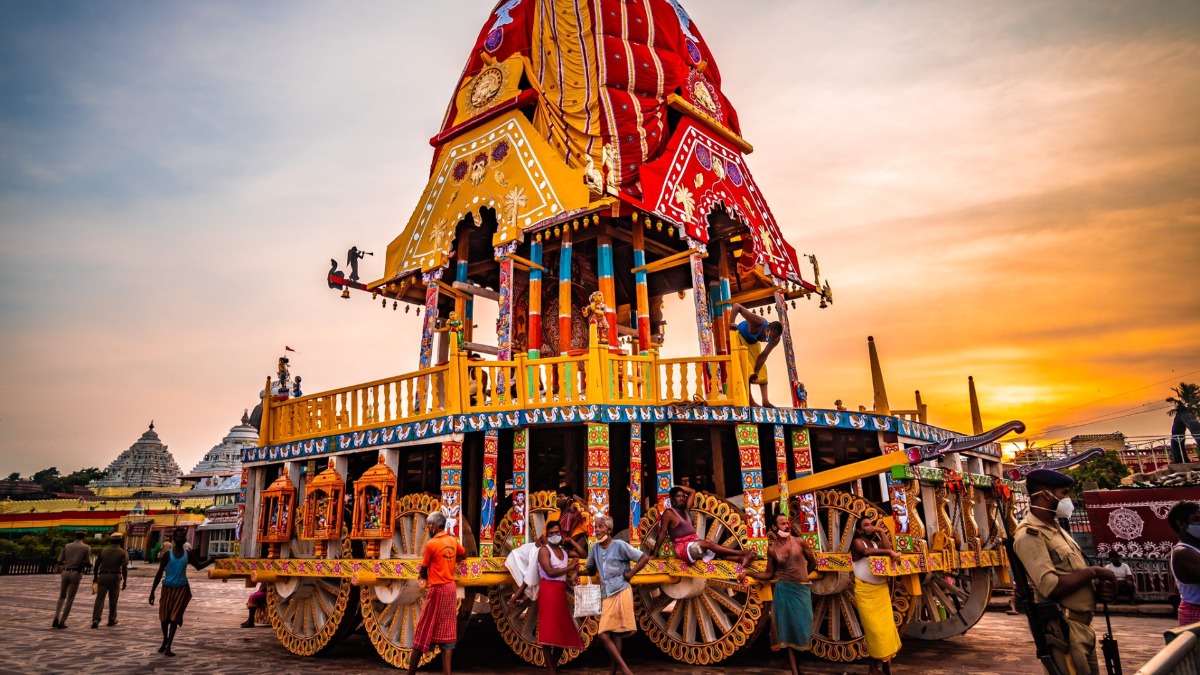
The word ‘Rath’ means chariot and ‘Yatra’ means journey. Thus, Rath Yatra literally translates to “Chariot Journey.” It marks the annual ceremonial journey of Lord Jagannath from his abode in the Jagannath Temple to the Gundicha Temple, which is about 3 kilometers away. This symbolic movement of the deity represents Lord Krishna’s visit to his aunt’s house and signifies the importance of renewal, divine love, and unity.
Read More:- What Are the Cultural Implications of Czech Wife Swap?
The Divine Procession
The highlight of the festival is the pulling of the massive, ornately decorated wooden chariots by thousands of devotees. The chariot of Lord Jagannath, known as Nandighosha, stands at about 45 feet high and is accompanied by Taladhwaja (for Balabhadra) and Darpadalana (for Subhadra). These chariots are rebuilt every year using sacred wood by traditional carpenters following ancient guidelines.
Devotees believe that pulling the chariot ropes is a sacred act that washes away sins and brings blessings. The entire city of Puri transforms into a vibrant, spiritual arena, echoing with chants of “Jai Jagannath” and the sound of drums, conches, and bells.
Rituals and Observances
The Rath Yatra begins on the second day of the lunar month of Ashadha (June-July). Before the procession, several key rituals take place, including the Snana Purnima (ritual bath of the deities), Anavasara (a period when the deities are believed to fall ill), and Netrotsava (restoration of the deities' health).
At the Gundicha Temple, the deities rest for seven days. On the ninth day, the return journey known as Bahuda Yatra takes place, bringing the deities back to the Jagannath Temple.
Read More:- How do cultural and regional differences impact fragrance preferences in the USA?
Cultural and Global Impact
The Rath Yatra of Puri is not just a religious event but also a grand cultural celebration. It showcases the rich traditions, music, dance, and heritage of Odisha. Moreover, Rath Yatras are now organized by ISKCON and Jagannath temples across the world, including in cities like London, New York, and Sydney, allowing devotees globally to experience the divine journey.
Conclusion
The Lord Jagannath Rath Yatra is more than a festival—it’s a spiritual experience that unites people in devotion and joy. With its deep-rooted religious significance, cultural vibrance, and global reach, the Rath Yatra continues to be a living testimony of India’s eternal spiritual traditions and communal harmony.
 Christina Berglund
The Lord Jagannath Rath Yatra is one of the most celebrated and revered Hindu festivals in India. Held annually in the sacred city of Puri, Odisha, this grand chariot procession draws millions of devotees from across the country and the world. Dedicated to Lord Jagannath, a form of Lord Krishna, along with his siblings Balabhadra (Balarama) and Subhadra, the Rath Yatra is a spectacular spiritual event symbolizing faith, devotion, and tradition.
Significance of Rath Yatra
The word ‘Rath’ means chariot and ‘Yatra’ means journey. Thus, Rath Yatra literally translates to “Chariot Journey.” It marks the annual ceremonial journey of Lord Jagannath from his abode in the Jagannath Temple to the Gundicha Temple, which is about 3 kilometers away. This symbolic movement of the deity represents Lord Krishna’s visit to his aunt’s house and signifies the importance of renewal, divine love, and unity.
Read More:- What Are the Cultural Implications of Czech Wife Swap?
The Divine Procession
The highlight of the festival is the pulling of the massive, ornately decorated wooden chariots by thousands of devotees. The chariot of Lord Jagannath, known as Nandighosha, stands at about 45 feet high and is accompanied by Taladhwaja (for Balabhadra) and Darpadalana (for Subhadra). These chariots are rebuilt every year using sacred wood by traditional carpenters following ancient guidelines.
Devotees believe that pulling the chariot ropes is a sacred act that washes away sins and brings blessings. The entire city of Puri transforms into a vibrant, spiritual arena, echoing with chants of “Jai Jagannath” and the sound of drums, conches, and bells.
Rituals and Observances
The Rath Yatra begins on the second day of the lunar month of Ashadha (June-July). Before the procession, several key rituals take place, including the Snana Purnima (ritual bath of the deities), Anavasara (a period when the deities are believed to fall ill), and Netrotsava (restoration of the deities' health).
At the Gundicha Temple, the deities rest for seven days. On the ninth day, the return journey known as Bahuda Yatra takes place, bringing the deities back to the Jagannath Temple.
Read More:- How do cultural and regional differences impact fragrance preferences in the USA?
Cultural and Global Impact
The Rath Yatra of Puri is not just a religious event but also a grand cultural celebration. It showcases the rich traditions, music, dance, and heritage of Odisha. Moreover, Rath Yatras are now organized by ISKCON and Jagannath temples across the world, including in cities like London, New York, and Sydney, allowing devotees globally to experience the divine journey.
Conclusion
The Lord Jagannath Rath Yatra is more than a festival—it’s a spiritual experience that unites people in devotion and joy. With its deep-rooted religious significance, cultural vibrance, and global reach, the Rath Yatra continues to be a living testimony of India’s eternal spiritual traditions and communal harmony.