I used to think Bitcoin’s price went up and down mostly because of inflation. You know, when the dollar loses value, people rush to Bitcoin thinking it’s “digital gold.” But my neighbor Sarah, who’s obsessed with crypto charts, pointed me to a new NYDIG study, and it turns out something else is at play: US dollar strength. Suddenly, Bitcoin price drivers seemed way simpler than I imagined.
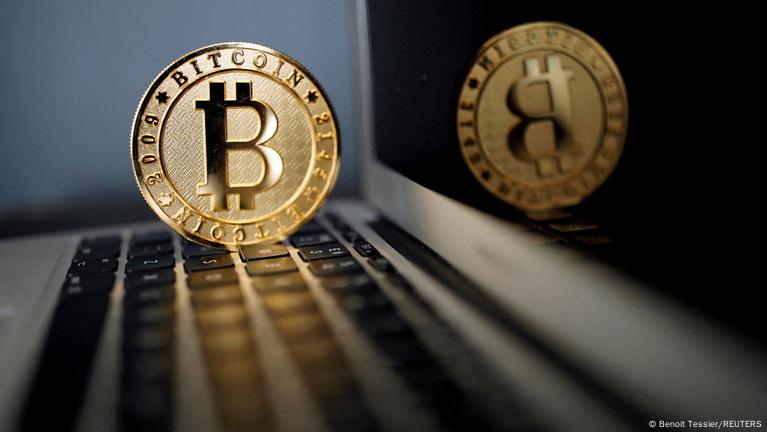
Credit Image: https://www.dw.com
How Bitcoin Price Drivers Really Work
When we talk about Bitcoin price drivers, we’re really asking: “What makes Bitcoin go up or down?” People throw around fancy terms like “market sentiment” or “inflation hedge,” but let’s break it down like building a LEGO set—simple, block by block.
1. The Dollar is King
NYDIG research shows that Bitcoin moves more when the dollar changes than when inflation spikes.
If the US dollar gets stronger, Bitcoin tends to drop.
If the dollar weakens, Bitcoin usually rises.
It’s kind of like a seesaw. Bitcoin isn’t reacting to inflation directly—it’s reacting to how strong the dollar feels next to everything else.
Think about it: if your allowance suddenly buys fewer toys, you might grab something that holds value better. But in Bitcoin’s case, it’s watching the dollar’s power more than the price of bread.
2. Bitcoin and Inflation: A Twist
A lot of people assume Bitcoin is the ultimate shield against inflation. NYDIG’s study says that isn’t totally wrong, but it’s overstated. Inflation does matter, but only a little compared to dollar strength.
Imagine you’re in a classroom. Inflation is like the teacher giving less candy each week. Bitcoin can help you keep your candy stash safe. But the dollar’s power? That’s the class monitor deciding how much candy everyone even gets. If the monitor is strict (strong dollar), Bitcoin’s stash can drop, even if the teacher is nice.
3. Liquidity Matters: The Bitcoin Liquidity Barometer
Another reason Bitcoin moves is liquidity—basically, how much Bitcoin is easily bought or sold. NYDIG points out that when liquidity is tight, even small dollar swings can cause big price jumps.
High liquidity → smaller moves
Low liquidity → big swings
I remember one day when Sarah tried selling just a tiny bit of her Bitcoin during low liquidity. The price jumped so fast, she screamed in shock. Honestly, the first time I learned this, I was completely lost too.
4. Gold and Bitcoin: Are They Twins?
Some investors like to compare Bitcoin to gold. Both are “store of value” assets. But NYDIG research shows their correlation isn’t consistent.
Gold reacts more to inflation
Bitcoin reacts more to the dollar
It’s like comparing apples and… slightly digital apples. They might look similar, but their reactions to the world’s money stuff aren’t identical.
Why This Changes Everything for Investors
Knowing the real Bitcoin price drivers changes how you might invest. Instead of freaking out over every inflation report, you can watch the US dollar’s strength and liquidity patterns.
Keep an eye on the US dollar index
Watch liquidity trends in crypto markets
Don’t rely only on inflation data
It’s simpler than it sounds. If the dollar is getting stronger, you might think twice about buying Bitcoin right now. If it’s weakening, that could be your moment.
Simple Takeaways From NYDIG Research
Bitcoin reacts more to the dollar than inflation
Liquidity amplifies price swings
Gold is not a perfect comparison
Smart investors follow dollar trends first
Pretty cool, right? Knowing this, your crypto chats with friends won’t sound like random guesses anymore.
FAQs About Bitcoin Price Drivers
Q1: What really drives Bitcoin prices?
Bitcoin prices are mostly affected by US dollar strength, not inflation. If the dollar gets stronger, Bitcoin tends to drop. If it weakens, Bitcoin usually rises. Liquidity in the market also makes big swings more likely.
Q2: Is Bitcoin a good hedge against inflation?
It can help protect against inflation a little, but the NYDIG study shows it reacts more to the dollar than rising prices. So it’s not a perfect shield, just a part of the strategy.
Q3: How does Bitcoin liquidity affect price?
Liquidity is how easy it is to buy or sell Bitcoin. When liquidity is low, even small dollar moves can make prices jump a lot. When liquidity is high, Bitcoin moves more slowly.
Q4: Is Bitcoin like gold?
Not exactly. Both are stores of value, but gold reacts more to inflation, while Bitcoin reacts more to the US dollar strength. They aren’t twins, just cousins in the money world.
Q5: Can I predict Bitcoin prices with this info?
You can make smarter guesses. Watching the dollar and liquidity trends gives you a better idea than just looking at inflation numbers. But no one can predict it perfectly.
Q6: Where can I see the NYDIG research?
NYDIG’s research is available online at their website. It’s a clear look at why Bitcoin behaves the way it does, with charts and all.
Read Also : Best Strip Clubs in the US – Famous Gentlemen's Clubs
 Wilman Kala
I used to think Bitcoin’s price went up and down mostly because of inflation. You know, when the dollar loses value, people rush to Bitcoin thinking it’s “digital gold.” But my neighbor Sarah, who’s obsessed with crypto charts, pointed me to a new NYDIG study, and it turns out something else is at play: US dollar strength. Suddenly, Bitcoin price drivers seemed way simpler than I imagined.
Credit Image: https://www.dw.com
How Bitcoin Price Drivers Really Work
When we talk about Bitcoin price drivers, we’re really asking: “What makes Bitcoin go up or down?” People throw around fancy terms like “market sentiment” or “inflation hedge,” but let’s break it down like building a LEGO set—simple, block by block.
1. The Dollar is King
NYDIG research shows that Bitcoin moves more when the dollar changes than when inflation spikes.
If the US dollar gets stronger, Bitcoin tends to drop.
If the dollar weakens, Bitcoin usually rises.
It’s kind of like a seesaw. Bitcoin isn’t reacting to inflation directly—it’s reacting to how strong the dollar feels next to everything else.
Think about it: if your allowance suddenly buys fewer toys, you might grab something that holds value better. But in Bitcoin’s case, it’s watching the dollar’s power more than the price of bread.
2. Bitcoin and Inflation: A Twist
A lot of people assume Bitcoin is the ultimate shield against inflation. NYDIG’s study says that isn’t totally wrong, but it’s overstated. Inflation does matter, but only a little compared to dollar strength.
Imagine you’re in a classroom. Inflation is like the teacher giving less candy each week. Bitcoin can help you keep your candy stash safe. But the dollar’s power? That’s the class monitor deciding how much candy everyone even gets. If the monitor is strict (strong dollar), Bitcoin’s stash can drop, even if the teacher is nice.
3. Liquidity Matters: The Bitcoin Liquidity Barometer
Another reason Bitcoin moves is liquidity—basically, how much Bitcoin is easily bought or sold. NYDIG points out that when liquidity is tight, even small dollar swings can cause big price jumps.
High liquidity → smaller moves
Low liquidity → big swings
I remember one day when Sarah tried selling just a tiny bit of her Bitcoin during low liquidity. The price jumped so fast, she screamed in shock. Honestly, the first time I learned this, I was completely lost too.
4. Gold and Bitcoin: Are They Twins?
Some investors like to compare Bitcoin to gold. Both are “store of value” assets. But NYDIG research shows their correlation isn’t consistent.
Gold reacts more to inflation
Bitcoin reacts more to the dollar
It’s like comparing apples and… slightly digital apples. They might look similar, but their reactions to the world’s money stuff aren’t identical.
Why This Changes Everything for Investors
Knowing the real Bitcoin price drivers changes how you might invest. Instead of freaking out over every inflation report, you can watch the US dollar’s strength and liquidity patterns.
Keep an eye on the US dollar index
Watch liquidity trends in crypto markets
Don’t rely only on inflation data
It’s simpler than it sounds. If the dollar is getting stronger, you might think twice about buying Bitcoin right now. If it’s weakening, that could be your moment.
Simple Takeaways From NYDIG Research
Bitcoin reacts more to the dollar than inflation
Liquidity amplifies price swings
Gold is not a perfect comparison
Smart investors follow dollar trends first
Pretty cool, right? Knowing this, your crypto chats with friends won’t sound like random guesses anymore.
FAQs About Bitcoin Price Drivers
Q1: What really drives Bitcoin prices?
Bitcoin prices are mostly affected by US dollar strength, not inflation. If the dollar gets stronger, Bitcoin tends to drop. If it weakens, Bitcoin usually rises. Liquidity in the market also makes big swings more likely.
Q2: Is Bitcoin a good hedge against inflation?
It can help protect against inflation a little, but the NYDIG study shows it reacts more to the dollar than rising prices. So it’s not a perfect shield, just a part of the strategy.
Q3: How does Bitcoin liquidity affect price?
Liquidity is how easy it is to buy or sell Bitcoin. When liquidity is low, even small dollar moves can make prices jump a lot. When liquidity is high, Bitcoin moves more slowly.
Q4: Is Bitcoin like gold?
Not exactly. Both are stores of value, but gold reacts more to inflation, while Bitcoin reacts more to the US dollar strength. They aren’t twins, just cousins in the money world.
Q5: Can I predict Bitcoin prices with this info?
You can make smarter guesses. Watching the dollar and liquidity trends gives you a better idea than just looking at inflation numbers. But no one can predict it perfectly.
Q6: Where can I see the NYDIG research?
Read Also : Best Strip Clubs in the US – Famous Gentlemen's ClubsNYDIG’s research is available online at their website. It’s a clear look at why Bitcoin behaves the way it does, with charts and all.