The retirement account executive order signed by Donald Trump has sparked a lot of talk, but most people still feel confused about what it actually changes. I went through the details, checked how similar policies worked before, and compared it with existing retirement options like 401(k)s.
The idea sounds simple: make retirement plans easier to access, especially for small business workers. But once you dig deeper, you notice both benefits and gaps.
If you are planning your long-term savings, you need to look past headlines and understand what this order really offers—and where it falls short.
What Is the Retirement Account Executive Order?
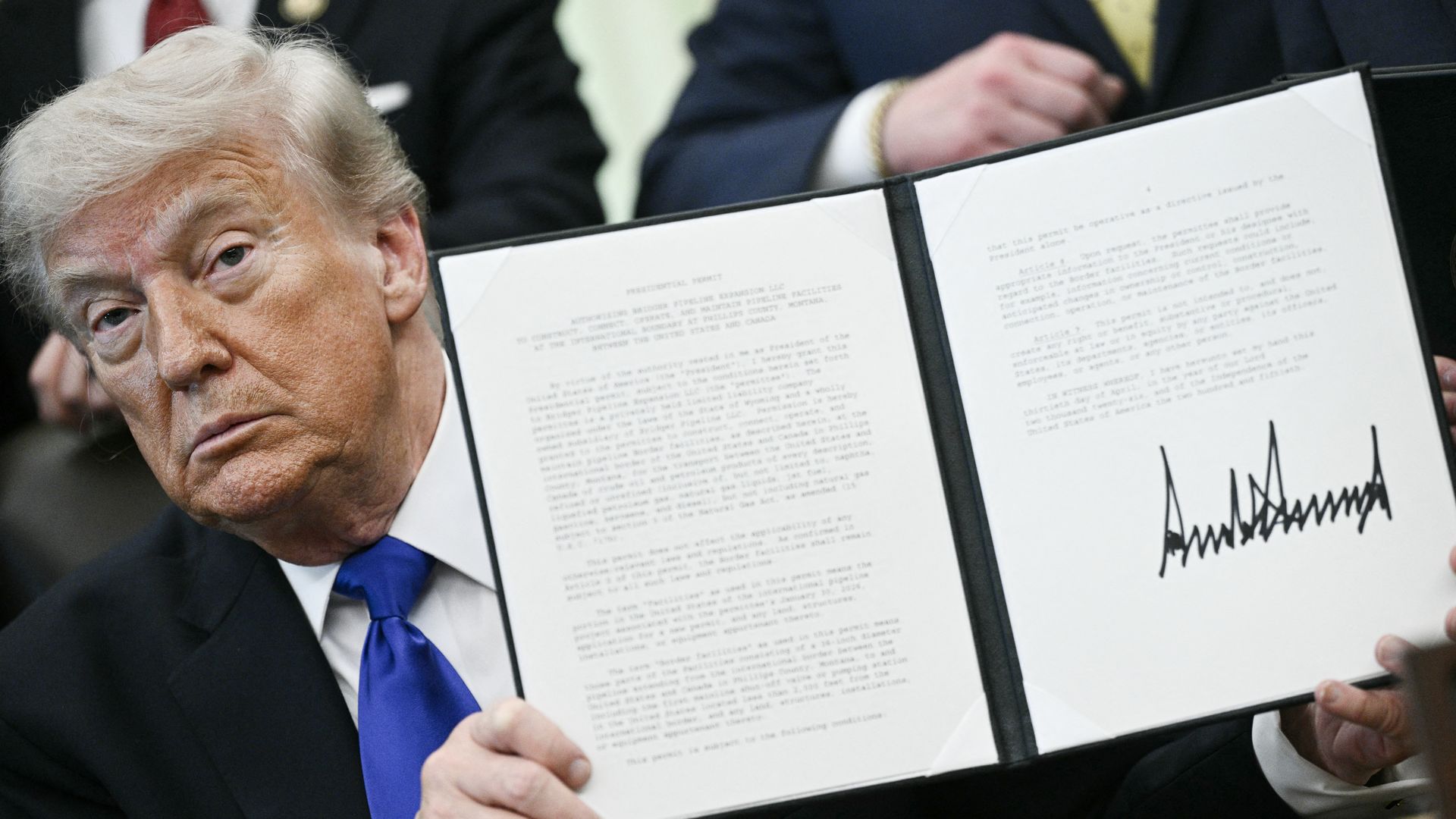
The retirement account executive order focuses on expanding access to workplace retirement plans. Many small businesses in the US do not offer 401(k) plans because they are costly and complex.
This order aims to:
In simple terms, it tries to make it easier for workers to save through their jobs, even if their company is small.
Why This Move Matters Right Now
A large number of workers still have no retirement savings plan. That gap has been growing.
Read Also: Melania Trump Statement Today – Key Highlights You Need to Know
Organizations like AARP have raised concerns for years. Their AARP 401k warnings often highlight that many Americans rely only on Social Security, which is not enough for retirement.
From what I have seen, this executive order is trying to solve a real problem:
But solving access does not automatically solve outcomes.
How It Works in Real Life
Let’s break this down in practical terms.
Before this order:
After this order:
Sounds good, right? Yes—but only on the surface.
From experience, I have seen that access alone does not mean people will invest wisely. Many employees sign up but choose poor fund options or contribute too little.
The Role of “Trumpira Gov” and Policy Direction
You may have seen references to Trumpira Gov in discussions. This term is often used informally to describe policy frameworks linked to retirement reforms during that administration.
The focus was clear:
This approach gives flexibility. It also shifts risk.
Pros of the Retirement Account Executive Order
1. Easier Access for Small Business Workers
This is the biggest win.
Small businesses can now offer retirement plans without heavy costs. That opens the door for millions of workers.
2. Lower Administrative Burden
Employers no longer need to manage everything alone. Shared plans reduce complexity.
3. Increased Participation Potential
Automatic enrollment features can push more people to start saving.
From what I have seen, automatic enrollment works. People rarely take action on their own, but they stay enrolled once added.

Cons You Should Not Ignore
1. Limited Guidance for Investors
The order improves access, not education.
Many workers:
That leads to poor outcomes.
2. Hidden Fees in Some Plans
Not all pooled plans are cost-efficient.
Some include:
Over time, these eat into returns.
3. No Guarantee of Adequate Savings
This is important.
Even with access:
So the final retirement amount may still fall short.
AARP 401k Warnings: What You Should Learn
The AARP 401k warnings focus on real issues people face with retirement plans.
From their reports and my own observations:
One thing stands out. People trust the system too much without understanding it.
You should never do that with your retirement money.
Who Benefits the Most from This Order?
This policy is not equal for everyone.
Best Fit:
Not Ideal For:
If you already manage your investments well, this order does not add much value.
Practical Advice Before You Choose Any Plan
Here’s what I personally follow when evaluating retirement plans.
1. Check Total Fees
Always ask:
Even a 1% fee difference matters over 20 years.
2. Look at Fund Options
Some plans offer limited choices.
Avoid plans that:
Simple, low-cost funds often perform better long term.
3. Understand Contribution Limits
Do not just enroll. Plan your contributions.
Saving 2–3% of income is not enough. Aim higher if possible.
4. Do Not Rely Only on Employer Plans
This is a mistake I see often.
Use:
Diversification matters.
Common Mistakes People Make
I have seen these patterns repeatedly:
Ignoring the Plan After Joining
People enroll and forget. No review. No adjustment.
Choosing Random Funds
Many pick options based on names, not performance.
Not Increasing Contributions Over Time
Income grows, but contributions stay the same.
That weakens long-term results.
Is This Executive Order Enough for Retirement Security?
Short answer: No.
It improves access. That’s a good start.
But retirement success depends on:
Policies can help. They cannot replace smart decisions.
Real-World Insight: What Actually Works
From experience, these habits matter more than any policy:
These steps beat most complicated strategies.
Final Thoughts: Should You Rely on It?
The retirement account executive order is useful, but not complete.
Use it as a starting point, not a full solution.
If your employer offers a plan under this system:
Build your own strategy alongside it.
Because in the end, your retirement depends less on policy—and more on the choices you make every year.
Read Also : House Passes Farm Bill 2026: What It Means Now?
 Luciano Paul
The retirement account executive order signed by Donald Trump has sparked a lot of talk, but most people still feel confused about what it actually changes. I went through the details, checked how similar policies worked before, and compared it with existing retirement options like 401(k)s.
The idea sounds simple: make retirement plans easier to access, especially for small business workers. But once you dig deeper, you notice both benefits and gaps.
If you are planning your long-term savings, you need to look past headlines and understand what this order really offers—and where it falls short.
What Is the Retirement Account Executive Order?
The retirement account executive order focuses on expanding access to workplace retirement plans. Many small businesses in the US do not offer 401(k) plans because they are costly and complex.
This order aims to:
In simple terms, it tries to make it easier for workers to save through their jobs, even if their company is small.
Why This Move Matters Right Now
A large number of workers still have no retirement savings plan. That gap has been growing.
Read Also: Melania Trump Statement Today – Key Highlights You Need to Know
Organizations like AARP have raised concerns for years. Their AARP 401k warnings often highlight that many Americans rely only on Social Security, which is not enough for retirement.
From what I have seen, this executive order is trying to solve a real problem:
But solving access does not automatically solve outcomes.
How It Works in Real Life
Let’s break this down in practical terms.
Before this order:
After this order:
Sounds good, right? Yes—but only on the surface.
From experience, I have seen that access alone does not mean people will invest wisely. Many employees sign up but choose poor fund options or contribute too little.
The Role of “Trumpira Gov” and Policy Direction
You may have seen references to Trumpira Gov in discussions. This term is often used informally to describe policy frameworks linked to retirement reforms during that administration.
The focus was clear:
This approach gives flexibility. It also shifts risk.
Pros of the Retirement Account Executive Order
1. Easier Access for Small Business Workers
This is the biggest win.
Small businesses can now offer retirement plans without heavy costs. That opens the door for millions of workers.
2. Lower Administrative Burden
Employers no longer need to manage everything alone. Shared plans reduce complexity.
3. Increased Participation Potential
Automatic enrollment features can push more people to start saving.
From what I have seen, automatic enrollment works. People rarely take action on their own, but they stay enrolled once added.
Cons You Should Not Ignore
1. Limited Guidance for Investors
The order improves access, not education.
Many workers:
That leads to poor outcomes.
2. Hidden Fees in Some Plans
Not all pooled plans are cost-efficient.
Some include:
Over time, these eat into returns.
3. No Guarantee of Adequate Savings
This is important.
Even with access:
So the final retirement amount may still fall short.
AARP 401k Warnings: What You Should Learn
The AARP 401k warnings focus on real issues people face with retirement plans.
From their reports and my own observations:
One thing stands out. People trust the system too much without understanding it.
You should never do that with your retirement money.
Who Benefits the Most from This Order?
This policy is not equal for everyone.
Best Fit:
Not Ideal For:
If you already manage your investments well, this order does not add much value.
Practical Advice Before You Choose Any Plan
Here’s what I personally follow when evaluating retirement plans.
1. Check Total Fees
Always ask:
Even a 1% fee difference matters over 20 years.
2. Look at Fund Options
Some plans offer limited choices.
Avoid plans that:
Simple, low-cost funds often perform better long term.
3. Understand Contribution Limits
Do not just enroll. Plan your contributions.
Saving 2–3% of income is not enough. Aim higher if possible.
4. Do Not Rely Only on Employer Plans
This is a mistake I see often.
Use:
Diversification matters.
Common Mistakes People Make
I have seen these patterns repeatedly:
Ignoring the Plan After Joining
People enroll and forget. No review. No adjustment.
Choosing Random Funds
Many pick options based on names, not performance.
Not Increasing Contributions Over Time
Income grows, but contributions stay the same.
That weakens long-term results.
Is This Executive Order Enough for Retirement Security?
Short answer: No.
It improves access. That’s a good start.
But retirement success depends on:
Policies can help. They cannot replace smart decisions.
Real-World Insight: What Actually Works
From experience, these habits matter more than any policy:
These steps beat most complicated strategies.
Final Thoughts: Should You Rely on It?
The retirement account executive order is useful, but not complete.
Use it as a starting point, not a full solution.
If your employer offers a plan under this system:
Build your own strategy alongside it.
Because in the end, your retirement depends less on policy—and more on the choices you make every year.
Read Also : House Passes Farm Bill 2026: What It Means Now?