Managing work means telling people or machines what to do, checking if they did it, and helping them get better. Today, two kinds of managers exist. One is a computer program. The other is a living person. Many offices now use both. But they do not work the same way. If you want to run a team well, you need to know how each one thinks, acts, and decides.
This article walks through the biggest differences. You will see why a computer manager is fast but cold. You will see why a human manager is slow but warm. And you will learn where each one works best.
Difference One: How They Make Choices
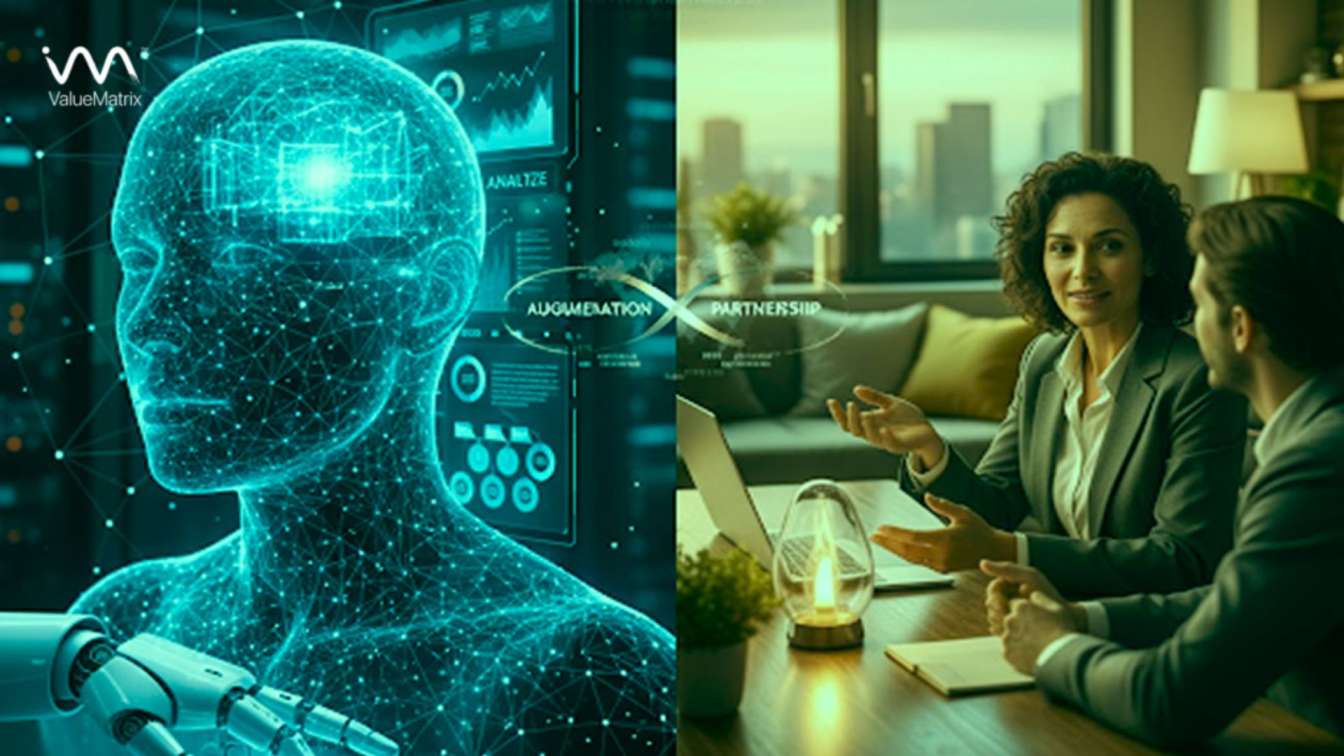
A computer manager looks at numbers. It reads past sales, past attendance, past output. Then it picks the choice that matches the pattern. It does not feel fear. It does not feel hope. It just follows the math.
A human manager looks at numbers too. But they also look at faces. They remember the last time a similar choice hurt someone. They think about tomorrow, not just yesterday. They might break a rule if the rule feels wrong.
For example, a computer manager sees an employee coming late. It counts three late days and sends a warning. It does not know the employee had a flat tire. It does not care. A human manager sees the same lateness. They ask first. They listen. Then they decide.
The computer is steady but blind. The human is uneven but aware.
Read Also: Will AI create more management jobs or eliminate them?
Difference Two: How They Handle Feelings
Feelings are hard to measure. You cannot put anger into a spreadsheet. You cannot weigh sadness on a scale. But feelings run every workplace.
A computer manager has no feelings. It never gets upset. It never gets tired of repeating itself. But it also never cheers someone up. It never says "good job" in a way that sticks. It never stays late to help.
A human manager feels everything. They get happy when the team wins. They get sad when someone leaves. They carry their own worries into meetings. But they can also look at a worker and see the worker is struggling. They can pull that worker aside and say, "Tell me what is wrong."
That moment changes everything. A computer cannot do that. A computer cannot cry with you. It cannot laugh with you. That is a big loss.
Difference Three: How They Give Orders
A computer manager gives the same order to everyone. It does not matter if you are new or old, fast or slow. The computer says, "Do task A in ten minutes." It checks if you did it. If not, it marks you down.
A human manager changes how they speak. To a new worker, they give small steps. To an expert, they say "handle this your way." They watch how you react. If you look lost, they slow down. If you look bored, they push harder.
This makes a big difference in learning. A computer teaches like a robot. A human teaches like a coach.
Think of a kitchen. A computer manager would tell every cook to chop exactly two onions per minute. A human manager sees one cook is fast and the other is careful. They give the fast cook more onions. They give the careful cook the fancy vegetables. Both feel seen. Both do better.
Difference Four: How They React When Things Go Wrong
Mistakes happen. A computer manager follows a rule book. If the rule says "three mistakes and you are out," then three mistakes and you are out. No second look. No talk.
A human manager follows the rule book too. But they also ask why. Was the worker sick? Was the tool broken? Was the deadline unfair? They might give a warning instead of firing. They might move the worker to a better spot.
Here is a real example. A computer watches a shipping worker drop a box. It writes down the mistake. After five drops, it locks the worker out. No box, no pay. A human sees the same worker drop boxes. They notice the worker is limping. They ask. The worker says their shoes are worn out. The manager buys new shoes. The drops stop. The computer could never do that.
The computer punishes fast. The human fixes the root cause.
Difference Five: How They Grow People Over Time
A computer manager tracks your numbers. It knows you did twenty sales last month. It wants twenty two this month. It tells you that. It does not care how you get there. It just wants the number to go up.
A human manager also wants numbers to go up. But they also want you to grow. They ask what you want to learn. They ask where you want to be in two years. They find you a class or a mentor. They push you toward a better job, even if that job is not under them anymore.
That kind of care builds loyalty. Workers stay longer when they feel grown. Workers try harder when they feel believed in.
A computer cannot believe in you. It can only count you.
Difference Six: How They Keep Everyone Working The Same Way
Rules keep work smooth. No fighting over who does what. No confusion about start times. A computer manager is very good at enforcing rules. It watches every clock. It checks every file. It never forgets a deadline.
But too many rules kill spirit. Workers stop thinking. They just follow orders. They become small robots under a big robot.
A human manager breaks rules on purpose sometimes. They let a worker leave early if the work is done. They skip a meeting if nothing new is said. They trust people instead of watching them. That trust makes workers feel like owners, not machines.
The computer trusts nobody. The human trusts until given a reason not to.
Difference Seven: How They Handle Many Workers At Once
A computer manager can watch a thousand workers at the same time. It reads every keystroke. It sees every screen. It never gets tired. For big factories, call centers, or delivery fleets, this is very useful.
A human manager gets tired after ten or fifteen people. They cannot watch everyone at once. They miss things. They forget what they said to who. They are slow.
But here is the trade. The computer sees everything but understands nothing. The human sees little but understands deeply. For simple work, the computer wins. For complex work with feelings and surprises, the human wins.
Difference Eight: How They Talk To You
A computer manager sends messages the same way every time. "Task assigned. Deadline 5 PM. Status incomplete." That is clear. But it is also cold. After a year of those messages, workers stop caring.
A human manager changes their tone. In the morning, they are cheerful. After a bad meeting, they are quiet. When a worker is sad, they are soft. This keeps the work human. It reminds everyone they are not just tools.
Workers also feel safe asking a human questions. They do not feel judged. They can say "I do not understand" without fear. With a computer, they feel stupid. They stay quiet. They make more mistakes.
You May Also Like: What is the difference between generative AI and traditional AI?
Difference Nine: How They Handle Fairness
Fairness seems simple. Same rules for everyone. That is what a computer does. No favorites. No bad moods. That sounds fair.
But real fairness is not always same rules. Sometimes one worker needs more help. Sometimes one mistake matters less. A human knows that. A human can give extra time to a new mother. A human can forgive a worker who is usually perfect.
The computer cannot bend. So it is fair in a small way, but unfair in a big way. The human bends, which can lead to favorites, but also leads to true justice.
Difference Ten: How They Change When The World Changes
A computer manager only knows what it was taught. When the world changes, it keeps doing the old way until a programmer fixes it. That takes days or weeks. During that time, the computer hurts more than it helps.
A human manager wakes up and sees the news. They hear the team talking. They change direction in an hour. They do not need permission. They do not need a software update.
When a new virus spread a few years ago, computer managers kept sending people to crowded offices. Their rules said "work from office." They could not change. Human managers looked at the news and said "everyone stay home." That change saved lives.
Where Should You Use Each One
You do not have to pick one. Smart teams use both.
Use a computer manager for:
Tracking attendance
Checking task completion
Sorting customer requests
Sending payment reminders
Use a human manager for:
Hiring and firing
Giving yearly reviews
Solving fights between workers
Helping a worker who is burning out
Celebrating wins
The computer handles what is simple and repeatable. The human handles what is messy and important.
What Workers Want Most
Workers do not want a boss who watches every click. They want a boss who sees them. They want to be trusted. They want to be taught. They want to be forgiven for small mistakes.
A computer can give none of that. But a computer can give freedom from boring tasks. When the computer tracks the numbers, the human can focus on the people. That is the best setup.
The future is not computer versus human. The future is computer and human. Each one does what it does best. Together, they make work smooth and kind.
Final Thoughts
The biggest difference is simple. A computer manages work. A human manages workers.
The computer sees tasks, time, and rules. The human sees fear, hope, and growth. You need both. But never forget which one is alive. Never forget which one goes home to a family. Never forget which one dreams about a better tomorrow.
 Wartian Herkku
Managing work means telling people or machines what to do, checking if they did it, and helping them get better. Today, two kinds of managers exist. One is a computer program. The other is a living person. Many offices now use both. But they do not work the same way. If you want to run a team well, you need to know how each one thinks, acts, and decides.
This article walks through the biggest differences. You will see why a computer manager is fast but cold. You will see why a human manager is slow but warm. And you will learn where each one works best.
Difference One: How They Make Choices
A computer manager looks at numbers. It reads past sales, past attendance, past output. Then it picks the choice that matches the pattern. It does not feel fear. It does not feel hope. It just follows the math.
A human manager looks at numbers too. But they also look at faces. They remember the last time a similar choice hurt someone. They think about tomorrow, not just yesterday. They might break a rule if the rule feels wrong.
For example, a computer manager sees an employee coming late. It counts three late days and sends a warning. It does not know the employee had a flat tire. It does not care. A human manager sees the same lateness. They ask first. They listen. Then they decide.
The computer is steady but blind. The human is uneven but aware.
Read Also: Will AI create more management jobs or eliminate them?
Difference Two: How They Handle Feelings
Feelings are hard to measure. You cannot put anger into a spreadsheet. You cannot weigh sadness on a scale. But feelings run every workplace.
A computer manager has no feelings. It never gets upset. It never gets tired of repeating itself. But it also never cheers someone up. It never says "good job" in a way that sticks. It never stays late to help.
A human manager feels everything. They get happy when the team wins. They get sad when someone leaves. They carry their own worries into meetings. But they can also look at a worker and see the worker is struggling. They can pull that worker aside and say, "Tell me what is wrong."
That moment changes everything. A computer cannot do that. A computer cannot cry with you. It cannot laugh with you. That is a big loss.
Difference Three: How They Give Orders
A computer manager gives the same order to everyone. It does not matter if you are new or old, fast or slow. The computer says, "Do task A in ten minutes." It checks if you did it. If not, it marks you down.
A human manager changes how they speak. To a new worker, they give small steps. To an expert, they say "handle this your way." They watch how you react. If you look lost, they slow down. If you look bored, they push harder.
This makes a big difference in learning. A computer teaches like a robot. A human teaches like a coach.
Think of a kitchen. A computer manager would tell every cook to chop exactly two onions per minute. A human manager sees one cook is fast and the other is careful. They give the fast cook more onions. They give the careful cook the fancy vegetables. Both feel seen. Both do better.
Difference Four: How They React When Things Go Wrong
Mistakes happen. A computer manager follows a rule book. If the rule says "three mistakes and you are out," then three mistakes and you are out. No second look. No talk.
A human manager follows the rule book too. But they also ask why. Was the worker sick? Was the tool broken? Was the deadline unfair? They might give a warning instead of firing. They might move the worker to a better spot.
Here is a real example. A computer watches a shipping worker drop a box. It writes down the mistake. After five drops, it locks the worker out. No box, no pay. A human sees the same worker drop boxes. They notice the worker is limping. They ask. The worker says their shoes are worn out. The manager buys new shoes. The drops stop. The computer could never do that.
The computer punishes fast. The human fixes the root cause.
Difference Five: How They Grow People Over Time
A computer manager tracks your numbers. It knows you did twenty sales last month. It wants twenty two this month. It tells you that. It does not care how you get there. It just wants the number to go up.
A human manager also wants numbers to go up. But they also want you to grow. They ask what you want to learn. They ask where you want to be in two years. They find you a class or a mentor. They push you toward a better job, even if that job is not under them anymore.
That kind of care builds loyalty. Workers stay longer when they feel grown. Workers try harder when they feel believed in.
A computer cannot believe in you. It can only count you.
Difference Six: How They Keep Everyone Working The Same Way
Rules keep work smooth. No fighting over who does what. No confusion about start times. A computer manager is very good at enforcing rules. It watches every clock. It checks every file. It never forgets a deadline.
But too many rules kill spirit. Workers stop thinking. They just follow orders. They become small robots under a big robot.
A human manager breaks rules on purpose sometimes. They let a worker leave early if the work is done. They skip a meeting if nothing new is said. They trust people instead of watching them. That trust makes workers feel like owners, not machines.
The computer trusts nobody. The human trusts until given a reason not to.
Difference Seven: How They Handle Many Workers At Once
A computer manager can watch a thousand workers at the same time. It reads every keystroke. It sees every screen. It never gets tired. For big factories, call centers, or delivery fleets, this is very useful.
A human manager gets tired after ten or fifteen people. They cannot watch everyone at once. They miss things. They forget what they said to who. They are slow.
But here is the trade. The computer sees everything but understands nothing. The human sees little but understands deeply. For simple work, the computer wins. For complex work with feelings and surprises, the human wins.
Difference Eight: How They Talk To You
A computer manager sends messages the same way every time. "Task assigned. Deadline 5 PM. Status incomplete." That is clear. But it is also cold. After a year of those messages, workers stop caring.
A human manager changes their tone. In the morning, they are cheerful. After a bad meeting, they are quiet. When a worker is sad, they are soft. This keeps the work human. It reminds everyone they are not just tools.
Workers also feel safe asking a human questions. They do not feel judged. They can say "I do not understand" without fear. With a computer, they feel stupid. They stay quiet. They make more mistakes.
You May Also Like: What is the difference between generative AI and traditional AI?
Difference Nine: How They Handle Fairness
Fairness seems simple. Same rules for everyone. That is what a computer does. No favorites. No bad moods. That sounds fair.
But real fairness is not always same rules. Sometimes one worker needs more help. Sometimes one mistake matters less. A human knows that. A human can give extra time to a new mother. A human can forgive a worker who is usually perfect.
The computer cannot bend. So it is fair in a small way, but unfair in a big way. The human bends, which can lead to favorites, but also leads to true justice.
Difference Ten: How They Change When The World Changes
A computer manager only knows what it was taught. When the world changes, it keeps doing the old way until a programmer fixes it. That takes days or weeks. During that time, the computer hurts more than it helps.
A human manager wakes up and sees the news. They hear the team talking. They change direction in an hour. They do not need permission. They do not need a software update.
When a new virus spread a few years ago, computer managers kept sending people to crowded offices. Their rules said "work from office." They could not change. Human managers looked at the news and said "everyone stay home." That change saved lives.
Where Should You Use Each One
You do not have to pick one. Smart teams use both.
Use a computer manager for:
Tracking attendance
Checking task completion
Sorting customer requests
Sending payment reminders
Use a human manager for:
Hiring and firing
Giving yearly reviews
Solving fights between workers
Helping a worker who is burning out
Celebrating wins
The computer handles what is simple and repeatable. The human handles what is messy and important.
What Workers Want Most
Workers do not want a boss who watches every click. They want a boss who sees them. They want to be trusted. They want to be taught. They want to be forgiven for small mistakes.
A computer can give none of that. But a computer can give freedom from boring tasks. When the computer tracks the numbers, the human can focus on the people. That is the best setup.
The future is not computer versus human. The future is computer and human. Each one does what it does best. Together, they make work smooth and kind.
Final Thoughts
The biggest difference is simple. A computer manages work. A human manages workers.
The computer sees tasks, time, and rules. The human sees fear, hope, and growth. You need both. But never forget which one is alive. Never forget which one goes home to a family. Never forget which one dreams about a better tomorrow.