When most people think of physical fitness, they imagine someone running a marathon or lifting heavy weights at the gym. But true physical fitness is more than just cardio or muscle strength. It’s a comprehensive combination of multiple components that contribute to a well-functioning and healthy body. Whether you’re trying to lose weight, build strength, improve performance, or simply live a more active life, understanding the different types of physical fitness can help you achieve your goals more effectively.
In this blog, we’ll explore the five main types of physical fitness, their benefits, and how to incorporate them into your daily routine.
You May Also Like: Why is nutrition important when trying to improve physical fitness?
1. Cardiovascular Endurance
What It Is:
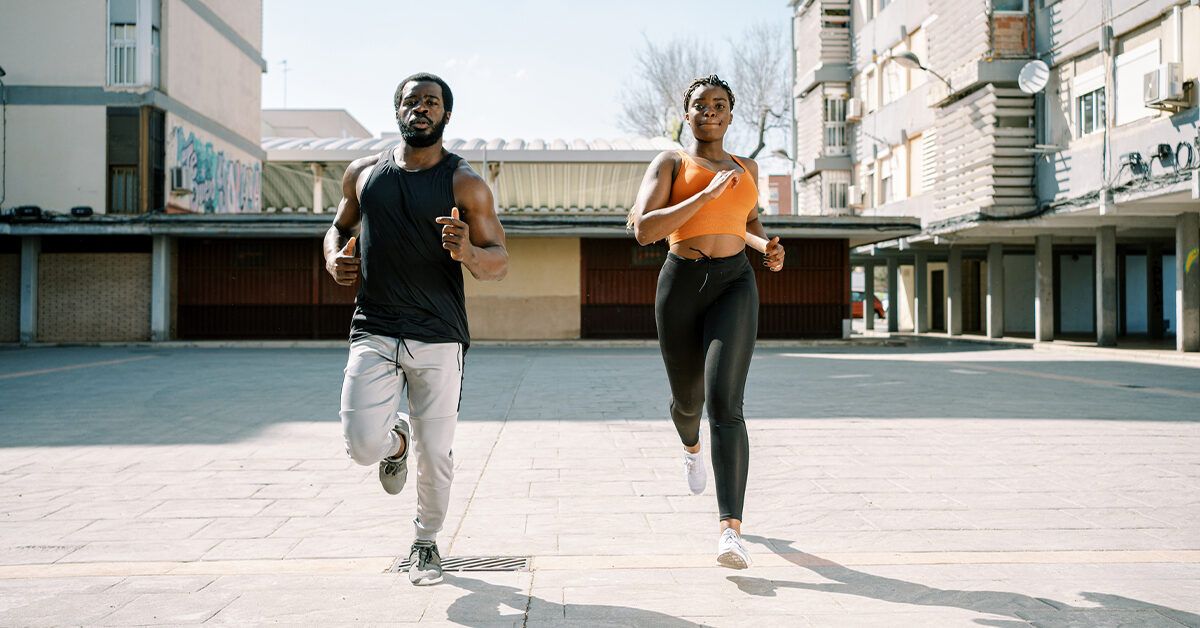
Cardiovascular endurance, also known as aerobic fitness, refers to the ability of the heart, lungs, and blood vessels to deliver oxygen to your body tissues during prolonged physical activity. In simple terms, it’s how well your body can sustain physical effort over time.
Examples:
Running
Brisk walking
Swimming
Cycling
Dancing
Jump rope
Why It Matters:
Good cardiovascular endurance means your heart and lungs are working efficiently. It reduces the risk of heart disease, improves stamina, helps manage weight, and boosts energy levels. People with strong cardiovascular endurance can exercise longer without getting tired.
How to Improve:
Incorporate at least 30 minutes of moderate to vigorous aerobic activity into your day, five times a week. This could be a brisk walk, a spin class, or even a fun dance session.
2. Muscular Strength
What It Is:
Muscular strength refers to the amount of force your muscles can produce in a single effort. It’s what allows you to lift, push, or pull objects. This type of fitness is typically measured by how much weight you can lift or how much resistance your muscles can handle.
Examples:
Weightlifting
Push-ups
Squats
Deadlifts
Resistance band exercises
Why It Matters:
Muscular strength enhances your ability to perform daily tasks like lifting groceries or climbing stairs. It also supports healthy posture, prevents injuries, increases bone density, and improves overall metabolism.
How to Improve:
Train your major muscle groups (legs, back, chest, arms, core) 2–3 times per week using resistance training. Use proper form and gradually increase the intensity to build strength over time.
3. Muscular Endurance
What It Is:
Muscular endurance is the ability of a muscle or group of muscles to perform repetitive contractions over an extended period. Unlike muscular strength (which is about max effort), endurance is about how long you can sustain an activity.
Examples:
Planks
Bodyweight squats
Sit-ups
Rowing
Cycling for long distances
Why It Matters:
Strong muscular endurance allows you to perform everyday activities longer without fatigue. It’s especially important for athletes, runners, and those engaged in manual labor. It also contributes to better posture and reduced risk of muscular injuries.
How to Improve:
Incorporate high-repetition, lower-weight strength training exercises. Circuit training, bodyweight exercises, and endurance sports like cycling and swimming are great ways to build muscular endurance.
4. Flexibility
What It Is:
Flexibility is the range of motion available at a joint or group of joints. It involves the lengthening of muscles and connective tissue to allow movement. Flexibility varies widely between individuals and tends to decline with age unless actively maintained.
Examples:
Yoga
Pilates
Stretching routines
Tai Chi
Dynamic warm-ups and cool-downs
Why It Matters:
Improved flexibility reduces the risk of injuries, relieves muscle tension, enhances athletic performance, and improves posture and balance. It also plays a key role in everyday mobility and joint health.
How to Improve:
Practice static stretching (holding a stretch for 20–60 seconds) after workouts and dynamic stretching (movement-based stretching) before workouts. Yoga or Pilates 2–3 times per week can also greatly improve flexibility.
You May Also Like: What are the two important parts of physical fitness program?
5. Body Composition

What It Is:
Body composition refers to the ratio of fat mass to lean mass (muscle, bone, organs, and fluids) in the body. It provides a clearer picture of fitness than just weight alone.
Why It Matters:
Healthy body composition is essential for reducing the risk of chronic diseases such as heart disease, diabetes, and obesity. It also influences energy levels, physical performance, and appearance.
How to Improve:
Combine cardiovascular exercise with strength training.
Follow a balanced diet rich in whole foods.
Track progress using methods like body fat percentage, waist-to-hip ratio, or professional body scans.
Additional Components (Optional But Valuable)
While the above five are the core types of physical fitness, some experts also recognize other categories that support overall wellness:
a. Balance
Especially important for older adults, balance training improves coordination and stability, reducing fall risk.
Exercises: Balance boards, one-leg stands, tai chi.
b. Speed and Agility
Critical for athletes, speed refers to how quickly you can move, while agility refers to your ability to change direction efficiently.
Exercises: Sprints, cone drills, ladder drills.
c. Coordination and Reaction Time
These skills help you react quickly and move with precision, which are crucial for sports performance and injury prevention.
Exercises: Ball drills, eye-hand coordination games, plyometrics.
Creating a Balanced Fitness Routine
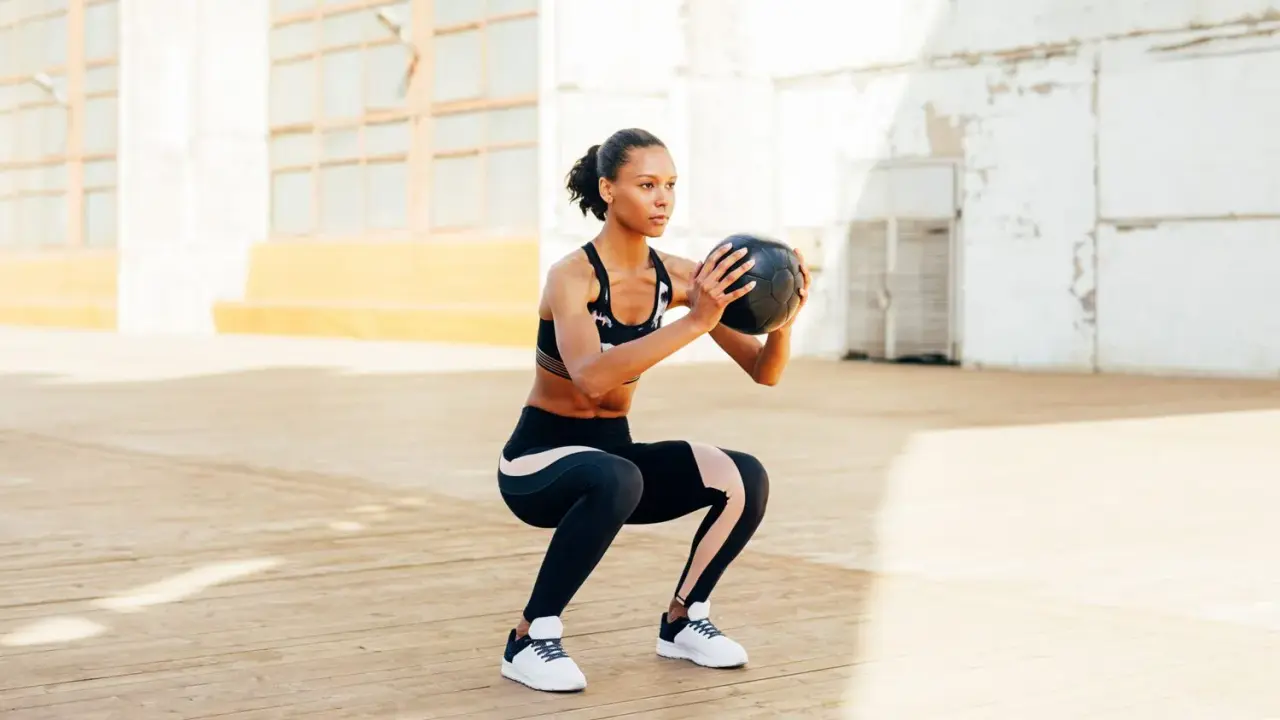
To become truly fit, it’s important to incorporate all components of physical fitness. Here’s a sample weekly routine:
Final Thoughts
Understanding the different types of physical fitness empowers you to create a well-rounded, effective, and sustainable workout plan. Focusing only on one aspect — like cardio or weightlifting — can limit your results and even lead to imbalances or injury. But by integrating cardiovascular endurance, muscular strength, muscular endurance, flexibility, and body composition, you'll improve not only your fitness but your entire quality of life.
Fitness is not just about how you look; it’s about how you feel, how well your body functions, and how long it can serve you well. Whether you’re a beginner or a seasoned athlete, addressing all areas of fitness is the key to long-term success and well-being.
 Willow Stella
When most people think of physical fitness, they imagine someone running a marathon or lifting heavy weights at the gym. But true physical fitness is more than just cardio or muscle strength. It’s a comprehensive combination of multiple components that contribute to a well-functioning and healthy body. Whether you’re trying to lose weight, build strength, improve performance, or simply live a more active life, understanding the different types of physical fitness can help you achieve your goals more effectively.
In this blog, we’ll explore the five main types of physical fitness, their benefits, and how to incorporate them into your daily routine.
You May Also Like: Why is nutrition important when trying to improve physical fitness?
1. Cardiovascular Endurance
What It Is:
Cardiovascular endurance, also known as aerobic fitness, refers to the ability of the heart, lungs, and blood vessels to deliver oxygen to your body tissues during prolonged physical activity. In simple terms, it’s how well your body can sustain physical effort over time.
Examples:
Running
Brisk walking
Swimming
Cycling
Dancing
Jump rope
Why It Matters:
Good cardiovascular endurance means your heart and lungs are working efficiently. It reduces the risk of heart disease, improves stamina, helps manage weight, and boosts energy levels. People with strong cardiovascular endurance can exercise longer without getting tired.
How to Improve:
Incorporate at least 30 minutes of moderate to vigorous aerobic activity into your day, five times a week. This could be a brisk walk, a spin class, or even a fun dance session.
2. Muscular Strength
What It Is:
Muscular strength refers to the amount of force your muscles can produce in a single effort. It’s what allows you to lift, push, or pull objects. This type of fitness is typically measured by how much weight you can lift or how much resistance your muscles can handle.
Examples:
Weightlifting
Push-ups
Squats
Deadlifts
Resistance band exercises
Why It Matters:
Muscular strength enhances your ability to perform daily tasks like lifting groceries or climbing stairs. It also supports healthy posture, prevents injuries, increases bone density, and improves overall metabolism.
How to Improve:
Train your major muscle groups (legs, back, chest, arms, core) 2–3 times per week using resistance training. Use proper form and gradually increase the intensity to build strength over time.
3. Muscular Endurance
What It Is:
Muscular endurance is the ability of a muscle or group of muscles to perform repetitive contractions over an extended period. Unlike muscular strength (which is about max effort), endurance is about how long you can sustain an activity.
Examples:
Planks
Bodyweight squats
Sit-ups
Rowing
Cycling for long distances
Why It Matters:
Strong muscular endurance allows you to perform everyday activities longer without fatigue. It’s especially important for athletes, runners, and those engaged in manual labor. It also contributes to better posture and reduced risk of muscular injuries.
How to Improve:
Incorporate high-repetition, lower-weight strength training exercises. Circuit training, bodyweight exercises, and endurance sports like cycling and swimming are great ways to build muscular endurance.
4. Flexibility
What It Is:
Flexibility is the range of motion available at a joint or group of joints. It involves the lengthening of muscles and connective tissue to allow movement. Flexibility varies widely between individuals and tends to decline with age unless actively maintained.
Examples:
Yoga
Pilates
Stretching routines
Tai Chi
Dynamic warm-ups and cool-downs
Why It Matters:
Improved flexibility reduces the risk of injuries, relieves muscle tension, enhances athletic performance, and improves posture and balance. It also plays a key role in everyday mobility and joint health.
How to Improve:
Practice static stretching (holding a stretch for 20–60 seconds) after workouts and dynamic stretching (movement-based stretching) before workouts. Yoga or Pilates 2–3 times per week can also greatly improve flexibility.
You May Also Like: What are the two important parts of physical fitness program?
5. Body Composition
What It Is:
Body composition refers to the ratio of fat mass to lean mass (muscle, bone, organs, and fluids) in the body. It provides a clearer picture of fitness than just weight alone.
Why It Matters:
Healthy body composition is essential for reducing the risk of chronic diseases such as heart disease, diabetes, and obesity. It also influences energy levels, physical performance, and appearance.
How to Improve:
Combine cardiovascular exercise with strength training.
Follow a balanced diet rich in whole foods.
Track progress using methods like body fat percentage, waist-to-hip ratio, or professional body scans.
Additional Components (Optional But Valuable)
While the above five are the core types of physical fitness, some experts also recognize other categories that support overall wellness:
a. Balance
Especially important for older adults, balance training improves coordination and stability, reducing fall risk.
Exercises: Balance boards, one-leg stands, tai chi.
b. Speed and Agility
Critical for athletes, speed refers to how quickly you can move, while agility refers to your ability to change direction efficiently.
Exercises: Sprints, cone drills, ladder drills.
c. Coordination and Reaction Time
These skills help you react quickly and move with precision, which are crucial for sports performance and injury prevention.
Exercises: Ball drills, eye-hand coordination games, plyometrics.
Creating a Balanced Fitness Routine
To become truly fit, it’s important to incorporate all components of physical fitness. Here’s a sample weekly routine:
Final Thoughts
Understanding the different types of physical fitness empowers you to create a well-rounded, effective, and sustainable workout plan. Focusing only on one aspect — like cardio or weightlifting — can limit your results and even lead to imbalances or injury. But by integrating cardiovascular endurance, muscular strength, muscular endurance, flexibility, and body composition, you'll improve not only your fitness but your entire quality of life.
Fitness is not just about how you look; it’s about how you feel, how well your body functions, and how long it can serve you well. Whether you’re a beginner or a seasoned athlete, addressing all areas of fitness is the key to long-term success and well-being.