Think of an expert physical fitness assessment like a report card for your body. It's not a scary test. It's a friendly check-up done by a fitness pro. They look at how your body moves and works. This helps you understand what you're good at and what you can work on. It's the best first step for anyone who wants to get stronger, run faster, or just feel better. This guide will walk you through everything that happens during one of these check-ups, using simple words everyone can understand.
Why Get a Fitness Check-Up in the First Place?
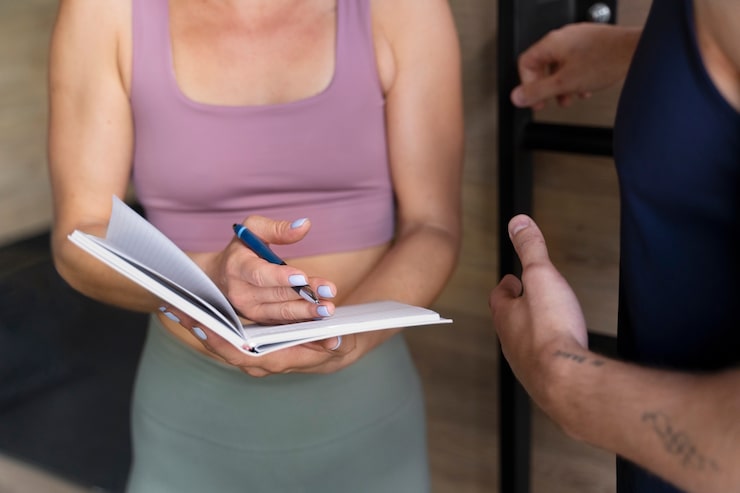
You might want a check-up to start a new exercise plan safely. It finds your starting point. Maybe you want to run a 5K race or play with your kids without getting tired. The check-up shows your fitness level today. It helps make a plan that is right for you and keeps you safe. It can also show your progress over time, which feels great and keeps you motivated.
It makes a safe start. It finds any weak spots before you begin.
It gives you a clear goal. You know exactly what to work on.
Read Also: What are the common barriers people face in maintaining physical fitness?
The First Step: The Talk Before the Test
Before any exercise, the expert will sit and talk with you. This chat is very important. They will ask about your health history, like past injuries. They will ask about your goals, like wanting to lift weights or just have more energy. They will also ask about your daily habits, like what you eat and if you smoke. This helps them understand you and design the best tests for your body.
Checking Your Body's Basic Info
The first tests are simple measurements. They will check your height and weight. They might measure around your waist. They will also check your blood pressure and heart rate while you are sitting quietly. This gives a quick picture of your general health. It helps see if you are at a healthy weight for your height. These numbers are a helpful baseline to track as you get fitter.
Seeing How Strong You Are
Strength tests see how much power your muscles have. Don't worry, you won't be lifting huge weights right away. A common test is the handgrip test, where you squeeze a device. They might ask you to do as many push-ups or sit-ups as you can in one minute. They could also test your legs by seeing how many times you can stand up from a chair in 30 seconds. It's all about what your body can do right now.
Upper body: Tests like push-ups or handgrip strength.
Lower body: Tests like chair squats or leg presses.
Checking Your Heart and Lungs
This part checks your stamina. It sees how well your heart and lungs work during exercise. A very common test is a walking test. You might walk back and forth across a room for six minutes, and they see how far you go. Another test is a step test, where you step up and down on a platform for a few minutes. They check how fast your heart recovers after you stop. It shows your fitness for activities like hiking or biking.
You May Also Like: Which of the 5 components of physical fitness is most important?
Testing How Bendy You Are
Flexibility is about how well your joints move. It's important for daily tasks and prevents injuries. The most well-known test is the "sit and reach." You sit with legs straight and reach forward toward your toes. They measure how far your fingers go. This mainly checks the muscles in your back and the back of your legs. Good flexibility helps you move easily and without pain.
Putting It All Together: Your Results and Plan
After the tests, the expert will explain your results. They won't use confusing words. They will tell you your strengths and areas to improve. Then, they will help you create a simple, personal exercise plan. This plan will focus on what you want to achieve. They might suggest walking three days a week or doing some simple stretches each morning. They give you a clear path to follow.
FAQs: Your Questions Answered
Q: Do I need to be in shape to do this assessment?
A: No, not at all! The assessment is for everyone. It is designed to find your current fitness level, no matter what it is. The expert will choose tests that are safe and right for you.
Q: How long does the whole check-up take?
A: Usually, it takes about one hour. This includes the talk at the beginning, all the simple tests, and the time at the end to discuss your results and next steps.
Q: Will it be hard or painful?
A: It should not be painful. You might feel some muscle tiredness the next day, just like after a good workout. You should always tell the expert if something hurts during a test. The goal is to challenge you a little, not to hurt you.
 White Clover Markets
Think of an expert physical fitness assessment like a report card for your body. It's not a scary test. It's a friendly check-up done by a fitness pro. They look at how your body moves and works. This helps you understand what you're good at and what you can work on. It's the best first step for anyone who wants to get stronger, run faster, or just feel better. This guide will walk you through everything that happens during one of these check-ups, using simple words everyone can understand.
Why Get a Fitness Check-Up in the First Place?
You might want a check-up to start a new exercise plan safely. It finds your starting point. Maybe you want to run a 5K race or play with your kids without getting tired. The check-up shows your fitness level today. It helps make a plan that is right for you and keeps you safe. It can also show your progress over time, which feels great and keeps you motivated.
It makes a safe start. It finds any weak spots before you begin.
It gives you a clear goal. You know exactly what to work on.
Read Also: What are the common barriers people face in maintaining physical fitness?
The First Step: The Talk Before the Test
Before any exercise, the expert will sit and talk with you. This chat is very important. They will ask about your health history, like past injuries. They will ask about your goals, like wanting to lift weights or just have more energy. They will also ask about your daily habits, like what you eat and if you smoke. This helps them understand you and design the best tests for your body.
Checking Your Body's Basic Info
The first tests are simple measurements. They will check your height and weight. They might measure around your waist. They will also check your blood pressure and heart rate while you are sitting quietly. This gives a quick picture of your general health. It helps see if you are at a healthy weight for your height. These numbers are a helpful baseline to track as you get fitter.
Seeing How Strong You Are
Strength tests see how much power your muscles have. Don't worry, you won't be lifting huge weights right away. A common test is the handgrip test, where you squeeze a device. They might ask you to do as many push-ups or sit-ups as you can in one minute. They could also test your legs by seeing how many times you can stand up from a chair in 30 seconds. It's all about what your body can do right now.
Upper body: Tests like push-ups or handgrip strength.
Lower body: Tests like chair squats or leg presses.
Checking Your Heart and Lungs
This part checks your stamina. It sees how well your heart and lungs work during exercise. A very common test is a walking test. You might walk back and forth across a room for six minutes, and they see how far you go. Another test is a step test, where you step up and down on a platform for a few minutes. They check how fast your heart recovers after you stop. It shows your fitness for activities like hiking or biking.
You May Also Like: Which of the 5 components of physical fitness is most important?
Testing How Bendy You Are
Flexibility is about how well your joints move. It's important for daily tasks and prevents injuries. The most well-known test is the "sit and reach." You sit with legs straight and reach forward toward your toes. They measure how far your fingers go. This mainly checks the muscles in your back and the back of your legs. Good flexibility helps you move easily and without pain.
Putting It All Together: Your Results and Plan
After the tests, the expert will explain your results. They won't use confusing words. They will tell you your strengths and areas to improve. Then, they will help you create a simple, personal exercise plan. This plan will focus on what you want to achieve. They might suggest walking three days a week or doing some simple stretches each morning. They give you a clear path to follow.
FAQs: Your Questions Answered
Q: Do I need to be in shape to do this assessment?
A: No, not at all! The assessment is for everyone. It is designed to find your current fitness level, no matter what it is. The expert will choose tests that are safe and right for you.
Q: How long does the whole check-up take?
A: Usually, it takes about one hour. This includes the talk at the beginning, all the simple tests, and the time at the end to discuss your results and next steps.
Q: Will it be hard or painful?
A: It should not be painful. You might feel some muscle tiredness the next day, just like after a good workout. You should always tell the expert if something hurts during a test. The goal is to challenge you a little, not to hurt you.