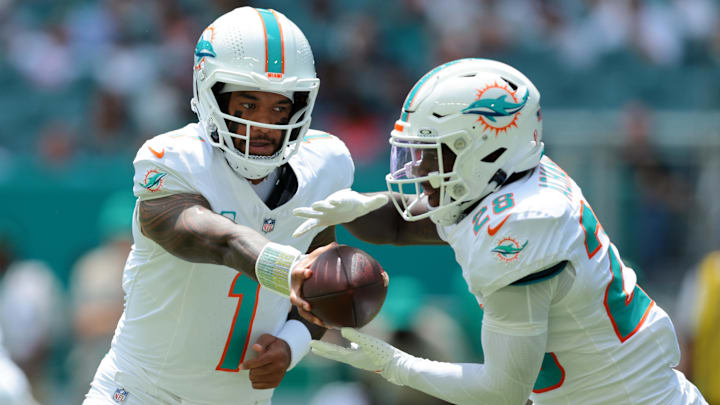
What Are The Historical Implications Of Miami Dolphins Vs Buffalo Bills Matchups? The rivalry between the Miami Dolphins and Buffalo Bills is one of the most enduring storylines in the NFL.
For decades, this matchup has carried historical weight, not only because of divisional standings but also due to the dramatic shifts in dominance between the two franchises. Understanding the historical implications of Dolphins vs Bills games requires a look at the rivalry’s origins, key turning points, and its impact on the AFC East.
What Are The Historical Implications Of Miami Dolphins Vs Buffalo Bills Matchups?
Origins of the Rivalry
The Miami Dolphins and Buffalo Bills became rivals when the AFL and NFL merged in 1970, placing both teams in the AFC East Division. From the start, their matchups mattered for playoff contention and divisional supremacy.
You Must Also Like: What is the easiest Caribbean island to get to from Miami?
During the 1970s, the Dolphins had one of the NFL’s greatest eras. Under coach Don Shula, Miami built a dynasty with:
The Rise of Buffalo in the 1980s and 1990s
The 1980s and 1990s saw the rivalry flip. Buffalo emerged as a powerhouse, thanks to Hall of Fame quarterback Jim Kelly, running back Thurman Thomas, and receiver Andre Reed.
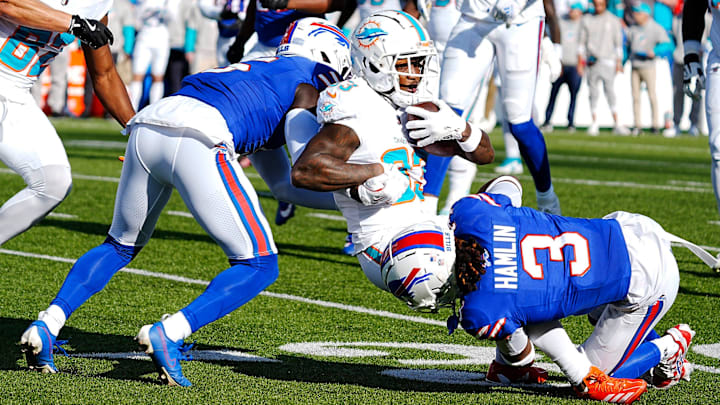
Their clashes weren’t just divisional matchups; they were showcases of two of the NFL’s best quarterbacks of their time. These games often decided the AFC East winner, cementing the rivalry’s national importance.
Read Also: What is the record between the Buffalo Bills and Miami Dolphins?
2000s to Early 2010s: Struggles and Rebuilding
The Josh Allen Era and Modern Rivalry
Historical Implications Beyond the Field
Memorable Games In the Rivalry
Conclusion
The Miami Dolphins vs Buffalo Bills rivalry carries decades of history, marked by power shifts, legendary players, and critical playoff battles. Its historical implications go beyond wins and losses — the rivalry has shaped the AFC East’s identity, showcased Hall of Fame talent, and provided some of the NFL’s most memorable moments.
As of today, with Josh Allen leading Buffalo and Tua Tagovailoa guiding Miami, the rivalry feels as strong as ever. Every matchup adds a new chapter to one of the NFL’s most compelling historical stories.
Read Also : How does a fever differ from a dream physiologically?
 Nora Hazel
What Are The Historical Implications Of Miami Dolphins Vs Buffalo Bills Matchups? The rivalry between the Miami Dolphins and Buffalo Bills is one of the most enduring storylines in the NFL.
For decades, this matchup has carried historical weight, not only because of divisional standings but also due to the dramatic shifts in dominance between the two franchises. Understanding the historical implications of Dolphins vs Bills games requires a look at the rivalry’s origins, key turning points, and its impact on the AFC East.
What Are The Historical Implications Of Miami Dolphins Vs Buffalo Bills Matchups?
Origins of the Rivalry
The Miami Dolphins and Buffalo Bills became rivals when the AFL and NFL merged in 1970, placing both teams in the AFC East Division. From the start, their matchups mattered for playoff contention and divisional supremacy.
You Must Also Like: What is the easiest Caribbean island to get to from Miami?
During the 1970s, the Dolphins had one of the NFL’s greatest eras. Under coach Don Shula, Miami built a dynasty with:
The Rise of Buffalo in the 1980s and 1990s
The 1980s and 1990s saw the rivalry flip. Buffalo emerged as a powerhouse, thanks to Hall of Fame quarterback Jim Kelly, running back Thurman Thomas, and receiver Andre Reed.
Their clashes weren’t just divisional matchups; they were showcases of two of the NFL’s best quarterbacks of their time. These games often decided the AFC East winner, cementing the rivalry’s national importance.
Read Also: What is the record between the Buffalo Bills and Miami Dolphins?
2000s to Early 2010s: Struggles and Rebuilding
The Josh Allen Era and Modern Rivalry
Historical Implications Beyond the Field
Memorable Games In the Rivalry
Conclusion
The Miami Dolphins vs Buffalo Bills rivalry carries decades of history, marked by power shifts, legendary players, and critical playoff battles. Its historical implications go beyond wins and losses — the rivalry has shaped the AFC East’s identity, showcased Hall of Fame talent, and provided some of the NFL’s most memorable moments.
As of today, with Josh Allen leading Buffalo and Tua Tagovailoa guiding Miami, the rivalry feels as strong as ever. Every matchup adds a new chapter to one of the NFL’s most compelling historical stories.
Read Also : How does a fever differ from a dream physiologically?