Employee performance management has changed a lot in recent years. Companies used to rely on yearly reviews. Managers would sit down with workers once every twelve months. They would talk about what went well and what did not go well. This system had many problems. It was slow. It was often unfair. It made workers feel nervous. It did not help people grow.
Now, companies are using artificial intelligence to fix these problems. AI is changing how workers get feedback. It is changing how goals are set. It is changing how progress is tracked. It is changing how rewards are given. This article will explain exactly what AI does in performance management. It will show you the good parts and the bad parts. It will help you understand if AI is right for your team.
What Is Performance Management?
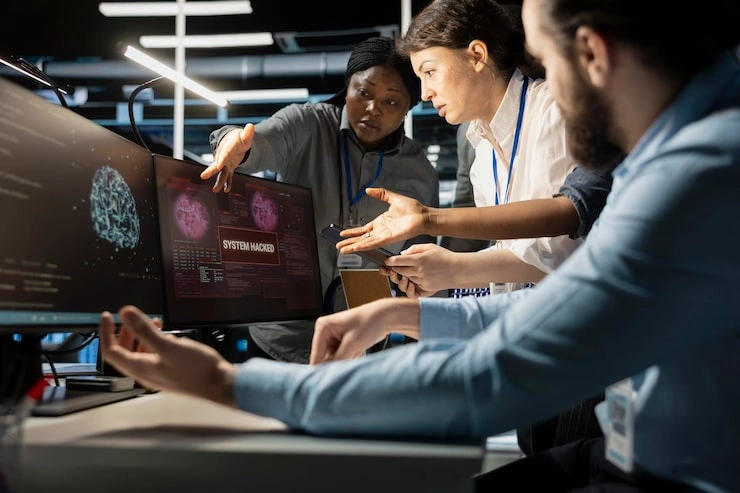
Before we talk about AI, we need to understand performance management. Performance management is not just about reviews. It is a whole system. It starts when a person joins a company. It continues every single day. It includes setting goals. It includes giving feedback. It includes checking progress. It includes deciding who gets promoted. It includes deciding who gets a raise. It includes helping people who are struggling.
Good performance management helps workers feel valued. It helps them know what to work on. It helps them see their own growth. Bad performance management makes workers feel confused. It makes them feel like their work does not matter. It makes them feel like their boss does not see them.
Traditional performance management had three big problems. First, it only happened once a year. That is too long to wait for feedback. Second, it relied on one person's memory. Managers could not remember everything from the past twelve months. Third, it was influenced by personal feelings. Managers often liked some workers more than others. This was not fair.
Read: What are the biggest differences between AI management and human management?
How AI Is Entering The Workplace?
AI started showing up in performance management around 2015. At first, it was simple. Companies used AI to send reminders. They used it to schedule review meetings. They used it to collect feedback from multiple people. This was helpful but not very smart.
Today, AI does much more. It looks at data from many sources. It looks at emails. It looks at project management tools. It looks at calendars. It looks at customer feedback. It looks at how quickly work gets done. It looks at how often a person helps others. It looks at everything.
The goal is to give a complete picture. No manager can look at all this data. There is too much. AI can look at it in seconds. It finds patterns that humans miss. It sees when a worker is doing great work but not getting noticed. It sees when a worker is struggling but too afraid to ask for help.
The Main Jobs AI Does In Performance Management
AI does many different jobs in performance management. Let us look at each one closely.
Setting Goals
Goals are the foundation of performance management. Every worker needs to know what they are working toward. In the past, managers set goals alone. They would tell workers what to do. This did not always work well. Workers felt like they had no say. They did not feel ownership of their goals.
AI helps set better goals. It looks at company goals first. It looks at what the company wants to achieve this year. Then it looks at each team's goals. Then it looks at each person's role. It suggests goals that connect everything together. This is called alignment.
AI also checks if goals are realistic. It looks at past performance data. It sees what similar workers achieved. It suggests goals that are challenging but possible. Goals that are too easy do not push people. Goals that are too hard make people give up. AI finds the middle ground.
AI also helps break big goals into small steps. A yearly goal can feel overwhelming. AI breaks it into monthly and weekly pieces. Workers can see exactly what to do each week. This keeps them on track. It also helps them feel less stressed.
Giving Continuous Feedback
This is where AI makes the biggest difference. In the old system, workers got feedback once a year. That is not helpful. If you are doing something wrong, you need to know right away. If you are doing something right, you need to know right away too.
AI enables continuous feedback. It does not replace human feedback. It supports it. AI watches how work is going. It notices when a worker completes a big project. It sends a notification to the manager. The notification says, "This worker just finished something important. You should say something."
AI also notices when a worker is falling behind. It sends a gentle alert. It does not punish the worker. It simply tells the manager to check in. Maybe the worker needs help. Maybe they have too much on their plate. The manager can have a conversation.
This changes the relationship between managers and workers. Managers become coaches instead of judges. They help workers in real time. Workers do not have to wait for a yearly review to hear about their performance. They hear about it every week. This makes them better at their jobs.
Reducing Unfair Treatment
Human beings have biases. We all do. We like people who are like us. We remember good things about people we like. We remember bad things about people we do not like. This affects performance reviews. It is not fair. Some workers get better reviews because their manager likes them. Some workers get worse reviews because their manager does not like them.
AI can reduce this problem. It looks at performance data only. It does not care if a worker is friendly. It does not care if a worker dresses well. It does not care if a worker agrees with the manager. It only cares about results.
AI can also flag potential bias. If one group of workers consistently gets lower ratings, AI notices. It tells the company to look into it. Maybe there is a problem. Maybe the problem is bias. Maybe the problem is something else. Either way, the company can investigate.
This does not mean AI is perfectly fair. AI can have bias too. If the data used to train AI has bias, the AI will have bias. Companies must be careful. They must check their AI systems regularly. They must make sure the AI is not hurting anyone.
Predicting Future Performance
AI is good at finding patterns. It can look at past performance data. It can predict future performance. This helps companies make better decisions.
For example, AI can predict which workers are likely to leave. It looks at many factors. It looks at how often a worker takes time off. It looks at how often they complete projects late. It looks at how often they get positive feedback. It looks at how often they ask for raises. It combines all this data. It gives a prediction.
If a worker is likely to leave, the company can act. They can talk to the worker. They can find out what is wrong. They can offer more money. They can offer more interesting work. They can offer more flexibility. This is better than losing a good worker and then trying to replace them.
AI also predicts which workers are ready for promotion. It looks at their skills. It looks at their performance. It looks at their leadership. It suggests who should be promoted next. This helps managers make decisions. It reduces the chance that a good worker gets overlooked.
Personalizing Development Plans
Every worker is different. Some are great at one thing and bad at another. Some want to learn new skills. Some want to get better at what they already do. A one-size-fits-all development plan does not work.
AI helps create personalized development plans. It looks at each worker's strengths and weaknesses. It looks at their career goals. It looks at the company's needs. It suggests specific training. It suggests specific projects. It suggests specific mentors.
This makes workers feel seen. They feel like the company cares about their growth. They are more likely to stay. They are more likely to work hard. They are more likely to recommend the company to others.
Gathering Feedback From Everyone
In the old system, only the manager gave feedback. This missed a lot. Coworkers see things that managers do not see. Customers see things that coworkers do not see. Subordinates see things that managers do not see.
AI makes it easy to gather feedback from everyone. This is called 360-degree feedback. AI sends out short surveys. It asks simple questions. It collects responses. It combines them into a report.
The report shows patterns. If everyone says a worker is great at teamwork, that is useful. If everyone says a worker is hard to work with, that is useful too. The worker sees how others perceive them. They can work on the things that need work.
AI also protects anonymity. People are more honest when they know their name will not be shared. AI makes sure that no one is identified. This leads to better feedback.
You May Also Like: Is emotional intelligence more important than artificial intelligence in management?
The Benefits Of Using AI
Now let us talk about the good things that happen when companies use AI for performance management.
More Fairness
As we discussed, AI reduces bias. It looks at data. It does not look at personal feelings. This leads to fairer reviews. Workers feel like they are being judged on their work. They do not feel like they are being judged on their personality. This builds trust.
More Frequent Feedback
Workers get feedback more often. They do not have to wait for a yearly review. This helps them improve faster. It also helps them feel more connected to their work. They know where they stand at all times.
Less Stress For Managers
Managers have a hard job. They have to manage their own work. They have to manage their team. They have to do reviews. They have to give feedback. This is a lot.
AI takes some of this load off. It collects data. It writes draft reviews. It suggests goals. It reminds managers to check in. Managers can focus on the human side. They can have conversations. They can coach. They can support.
Better Business Results
Companies that use AI for performance management often see better results. Workers are more productive. They are more engaged. They stay longer. This saves money. Hiring and training new workers is expensive. Keeping good workers is cheap.
Data-Driven Decisions
In the past, decisions about promotions and raises were based on feelings. Managers would promote people they liked. They would give raises to people who asked. This was not always the best decision.
AI changes this. Decisions are based on data. Managers can see who is actually performing well. They can see who is actually ready for more responsibility. This leads to better decisions. The best people get promoted. The best people get raises. The company becomes stronger.
The Challenges And Risks
AI is not perfect. There are risks. Companies must be aware of these risks. They must take steps to avoid problems.
Privacy Concerns
AI collects a lot of data. It looks at emails. It looks at calendars. It looks at project management tools. Some workers feel like they are being watched. They feel like they have no privacy. This can make them uncomfortable. It can make them distrust the company.
Companies must be transparent. They must tell workers exactly what data is collected. They must tell workers how the data is used. They must give workers the option to opt out. This builds trust. It also avoids legal problems.
AI Bias
AI can have bias. If the training data has bias, the AI will have bias. For example, if the company historically gave higher ratings to men, the AI might learn this pattern. It might suggest that men should get higher ratings. This is not fair. This is illegal in many places.
Companies must test their AI systems. They must look for bias. They must fix problems when they find them. This is not a one-time thing. It is an ongoing process. Bias can creep in over time. Companies must stay vigilant.
Over-Reliance On Data
Data is useful. But it is not everything. Some things cannot be measured. Creativity cannot always be measured. Teamwork cannot always be measured. Leadership cannot always be measured.
Companies must not rely only on AI. They must use human judgment too. Managers should look at the data. But they should also talk to workers. They should observe workers. They should use their own experience. The best approach combines AI data and human insight.
Worker Resistance
Some workers do not like AI. They feel like AI is replacing human judgment. They feel like AI does not understand them. They might resist using AI tools. They might ignore AI suggestions. They might complain about the system.
Companies must involve workers in the process. They should explain why AI is being used. They should show how it helps workers. They should listen to concerns. They should make changes based on feedback. This helps workers feel like they have a say.
Cost And Complexity
AI systems are not cheap. They cost money to buy. They cost money to implement. They cost money to maintain. Small companies might not be able to afford them. Even large companies might struggle.
Implementing AI is also complex. It requires technical expertise. It requires changing existing processes. It requires training managers. This takes time. This takes effort. Companies must be prepared for this.
How To Implement AI Successfully
If you want to use AI for performance management, here is how to do it right.
Start Small
Do not try to change everything at once. Start with one small project. For example, start with continuous feedback. Use AI to send feedback reminders. See how it goes. Learn from the experience. Make improvements. Then add another feature.
Involve Workers From The Beginning
Do not surprise workers with AI. Tell them what you are planning. Ask for their input. Listen to their concerns. Make changes based on their feedback. This builds trust. It also leads to a better system.
Train Managers
Managers need to know how to use AI tools. They need to know what the data means. They need to know how to have conversations based on the data. Provide training. Provide ongoing support. Make sure managers feel confident.
Be Transparent
Tell workers exactly how AI is being used. Tell them what data is collected. Tell them how decisions are made. Tell them how they can give feedback. Transparency builds trust. It also avoids misunderstandings.
Combine AI And Human Judgment
Do not let AI make decisions alone. Use AI to provide data. Use AI to provide suggestions. But let humans make the final decisions. Managers should consider the data. But they should also consider other factors. They should use their own experience. They should use their own judgment.
Monitor And Improve
AI systems are not set-and-forget. They need ongoing monitoring. They need ongoing improvement. Check for bias regularly. Check for accuracy regularly. Check for worker satisfaction regularly. Make changes when needed.
Real-World Examples
Many companies are already using AI for performance management. Here are a few examples.
A Large Technology Company
This company uses AI to track worker engagement. It looks at how often workers use collaboration tools. It looks at how often they attend meetings. It looks at how often they contribute to projects. It combines this data into an engagement score.
If a worker's engagement score drops, the manager gets an alert. The manager reaches out to the worker. They have a conversation. They find out what is wrong. They work together to fix the problem. This has reduced turnover in the company.
A Retail Company
This company uses AI to set goals for store managers. It looks at historical sales data. It looks at local economic conditions. It looks at seasonal patterns. It suggests realistic sales goals for each store.
Store managers feel the goals are fair. They know the goals are based on data. They are more motivated to achieve them. The company has seen sales increase since implementing this system.
A Healthcare Company
This company uses AI to gather feedback from patients. Patients answer short surveys after their appointments. AI analyzes the surveys. It identifies patterns. It sees which doctors are getting the best feedback. It sees which doctors need improvement.
The company uses this data to coach doctors. They help doctors improve their communication skills. They help doctors improve their bedside manner. Patient satisfaction has gone up significantly.
Common Misconceptions
There are many misunderstandings about AI in performance management. Let us clear some of them up.
AI Replaces Managers
This is not true. AI does not replace managers. It supports them. AI provides data. AI provides suggestions. But managers still make decisions. Managers still have conversations. Managers still provide coaching. The human element is still essential.
AI Is Always Fair
This is not true. AI can have bias. It can make unfair decisions. Companies must monitor their AI systems. They must correct problems. They must be careful. AI is a tool. It is not a magic solution.
AI Is Only For Large Companies
This is not true. Small companies can use AI too. There are many affordable AI tools. They are easy to implement. They do not require a large IT team. Small companies can benefit just as much as large companies.
AI Makes Performance Management Easy
This is not true. AI makes performance management better. But it does not make it easy. Companies still have to do the work. They have to set goals. They have to give feedback. They have to make decisions. AI helps. But it does not replace the work.
The Future Of AI In Performance Management
What comes next? AI is getting smarter. It will do more in the future. Here is what to expect.
More Personalization
AI will get better at personalizing development plans. It will look at each worker's unique strengths and weaknesses. It will suggest specific training. It will suggest specific projects. It will suggest specific career paths. This will help workers grow faster.
Better Predictions
AI will get better at predicting performance. It will look at more data. It will find more patterns. It will make better predictions. This will help companies make better decisions. They will know who to promote. They will know who to train. They will know who to keep.
Deeper Integration
AI will become more integrated with other tools. It will connect with project management tools. It will connect with communication tools. It will connect with HR systems. It will become a seamless part of the workflow. Workers will not even notice it is there.
More Ethical AI
Companies will become more aware of ethical concerns. They will develop better practices. They will create better guidelines. They will monitor AI more closely. AI will become more trustworthy. It will become more fair.
Conclusion
AI is changing employee performance management. It is making it more fair. It is making it more frequent. It is making it more data-driven. It is helping workers grow. It is helping companies succeed.
But AI is not a magic solution. It has risks. It can have bias. It can invade privacy. It can be resisted by workers. Companies must be careful. They must involve workers. They must monitor their systems. They must combine AI with human judgment.
The companies that do this well will have a big advantage. They will have more engaged workers. They will have better performance. They will have lower turnover. They will be stronger in the market.
The companies that do this poorly will struggle. They will have unhappy workers. They will have unfair systems. They will have high turnover. They will fall behind.
The key is balance. Use AI for what it is good at. Use humans for what they are good at. Combine the two. That is the path to success.
AI is here to stay. It will only get more important. Companies should embrace it. But they should embrace it wisely. They should use it to help workers. They should use it to make work better. That is the real goal.
Performance management is ultimately about people. It is about helping people do their best work. It is about helping people grow. It is about helping people feel valued. AI can help with this. But it cannot replace the human touch. The best performance management systems will always put people first. AI will support them. AI will not replace them.
 Willow Stella
Employee performance management has changed a lot in recent years. Companies used to rely on yearly reviews. Managers would sit down with workers once every twelve months. They would talk about what went well and what did not go well. This system had many problems. It was slow. It was often unfair. It made workers feel nervous. It did not help people grow.
Now, companies are using artificial intelligence to fix these problems. AI is changing how workers get feedback. It is changing how goals are set. It is changing how progress is tracked. It is changing how rewards are given. This article will explain exactly what AI does in performance management. It will show you the good parts and the bad parts. It will help you understand if AI is right for your team.
What Is Performance Management?
Before we talk about AI, we need to understand performance management. Performance management is not just about reviews. It is a whole system. It starts when a person joins a company. It continues every single day. It includes setting goals. It includes giving feedback. It includes checking progress. It includes deciding who gets promoted. It includes deciding who gets a raise. It includes helping people who are struggling.
Good performance management helps workers feel valued. It helps them know what to work on. It helps them see their own growth. Bad performance management makes workers feel confused. It makes them feel like their work does not matter. It makes them feel like their boss does not see them.
Traditional performance management had three big problems. First, it only happened once a year. That is too long to wait for feedback. Second, it relied on one person's memory. Managers could not remember everything from the past twelve months. Third, it was influenced by personal feelings. Managers often liked some workers more than others. This was not fair.
Read: What are the biggest differences between AI management and human management?
How AI Is Entering The Workplace?
AI started showing up in performance management around 2015. At first, it was simple. Companies used AI to send reminders. They used it to schedule review meetings. They used it to collect feedback from multiple people. This was helpful but not very smart.
Today, AI does much more. It looks at data from many sources. It looks at emails. It looks at project management tools. It looks at calendars. It looks at customer feedback. It looks at how quickly work gets done. It looks at how often a person helps others. It looks at everything.
The goal is to give a complete picture. No manager can look at all this data. There is too much. AI can look at it in seconds. It finds patterns that humans miss. It sees when a worker is doing great work but not getting noticed. It sees when a worker is struggling but too afraid to ask for help.
The Main Jobs AI Does In Performance Management
AI does many different jobs in performance management. Let us look at each one closely.
Setting Goals
Goals are the foundation of performance management. Every worker needs to know what they are working toward. In the past, managers set goals alone. They would tell workers what to do. This did not always work well. Workers felt like they had no say. They did not feel ownership of their goals.
AI helps set better goals. It looks at company goals first. It looks at what the company wants to achieve this year. Then it looks at each team's goals. Then it looks at each person's role. It suggests goals that connect everything together. This is called alignment.
AI also checks if goals are realistic. It looks at past performance data. It sees what similar workers achieved. It suggests goals that are challenging but possible. Goals that are too easy do not push people. Goals that are too hard make people give up. AI finds the middle ground.
AI also helps break big goals into small steps. A yearly goal can feel overwhelming. AI breaks it into monthly and weekly pieces. Workers can see exactly what to do each week. This keeps them on track. It also helps them feel less stressed.
Giving Continuous Feedback
This is where AI makes the biggest difference. In the old system, workers got feedback once a year. That is not helpful. If you are doing something wrong, you need to know right away. If you are doing something right, you need to know right away too.
AI enables continuous feedback. It does not replace human feedback. It supports it. AI watches how work is going. It notices when a worker completes a big project. It sends a notification to the manager. The notification says, "This worker just finished something important. You should say something."
AI also notices when a worker is falling behind. It sends a gentle alert. It does not punish the worker. It simply tells the manager to check in. Maybe the worker needs help. Maybe they have too much on their plate. The manager can have a conversation.
This changes the relationship between managers and workers. Managers become coaches instead of judges. They help workers in real time. Workers do not have to wait for a yearly review to hear about their performance. They hear about it every week. This makes them better at their jobs.
Reducing Unfair Treatment
Human beings have biases. We all do. We like people who are like us. We remember good things about people we like. We remember bad things about people we do not like. This affects performance reviews. It is not fair. Some workers get better reviews because their manager likes them. Some workers get worse reviews because their manager does not like them.
AI can reduce this problem. It looks at performance data only. It does not care if a worker is friendly. It does not care if a worker dresses well. It does not care if a worker agrees with the manager. It only cares about results.
AI can also flag potential bias. If one group of workers consistently gets lower ratings, AI notices. It tells the company to look into it. Maybe there is a problem. Maybe the problem is bias. Maybe the problem is something else. Either way, the company can investigate.
This does not mean AI is perfectly fair. AI can have bias too. If the data used to train AI has bias, the AI will have bias. Companies must be careful. They must check their AI systems regularly. They must make sure the AI is not hurting anyone.
Predicting Future Performance
AI is good at finding patterns. It can look at past performance data. It can predict future performance. This helps companies make better decisions.
For example, AI can predict which workers are likely to leave. It looks at many factors. It looks at how often a worker takes time off. It looks at how often they complete projects late. It looks at how often they get positive feedback. It looks at how often they ask for raises. It combines all this data. It gives a prediction.
If a worker is likely to leave, the company can act. They can talk to the worker. They can find out what is wrong. They can offer more money. They can offer more interesting work. They can offer more flexibility. This is better than losing a good worker and then trying to replace them.
AI also predicts which workers are ready for promotion. It looks at their skills. It looks at their performance. It looks at their leadership. It suggests who should be promoted next. This helps managers make decisions. It reduces the chance that a good worker gets overlooked.
Personalizing Development Plans
Every worker is different. Some are great at one thing and bad at another. Some want to learn new skills. Some want to get better at what they already do. A one-size-fits-all development plan does not work.
AI helps create personalized development plans. It looks at each worker's strengths and weaknesses. It looks at their career goals. It looks at the company's needs. It suggests specific training. It suggests specific projects. It suggests specific mentors.
This makes workers feel seen. They feel like the company cares about their growth. They are more likely to stay. They are more likely to work hard. They are more likely to recommend the company to others.
Gathering Feedback From Everyone
In the old system, only the manager gave feedback. This missed a lot. Coworkers see things that managers do not see. Customers see things that coworkers do not see. Subordinates see things that managers do not see.
AI makes it easy to gather feedback from everyone. This is called 360-degree feedback. AI sends out short surveys. It asks simple questions. It collects responses. It combines them into a report.
The report shows patterns. If everyone says a worker is great at teamwork, that is useful. If everyone says a worker is hard to work with, that is useful too. The worker sees how others perceive them. They can work on the things that need work.
AI also protects anonymity. People are more honest when they know their name will not be shared. AI makes sure that no one is identified. This leads to better feedback.
You May Also Like: Is emotional intelligence more important than artificial intelligence in management?
The Benefits Of Using AI
Now let us talk about the good things that happen when companies use AI for performance management.
More Fairness
As we discussed, AI reduces bias. It looks at data. It does not look at personal feelings. This leads to fairer reviews. Workers feel like they are being judged on their work. They do not feel like they are being judged on their personality. This builds trust.
More Frequent Feedback
Workers get feedback more often. They do not have to wait for a yearly review. This helps them improve faster. It also helps them feel more connected to their work. They know where they stand at all times.
Less Stress For Managers
Managers have a hard job. They have to manage their own work. They have to manage their team. They have to do reviews. They have to give feedback. This is a lot.
AI takes some of this load off. It collects data. It writes draft reviews. It suggests goals. It reminds managers to check in. Managers can focus on the human side. They can have conversations. They can coach. They can support.
Better Business Results
Companies that use AI for performance management often see better results. Workers are more productive. They are more engaged. They stay longer. This saves money. Hiring and training new workers is expensive. Keeping good workers is cheap.
Data-Driven Decisions
In the past, decisions about promotions and raises were based on feelings. Managers would promote people they liked. They would give raises to people who asked. This was not always the best decision.
AI changes this. Decisions are based on data. Managers can see who is actually performing well. They can see who is actually ready for more responsibility. This leads to better decisions. The best people get promoted. The best people get raises. The company becomes stronger.
The Challenges And Risks
AI is not perfect. There are risks. Companies must be aware of these risks. They must take steps to avoid problems.
Privacy Concerns
AI collects a lot of data. It looks at emails. It looks at calendars. It looks at project management tools. Some workers feel like they are being watched. They feel like they have no privacy. This can make them uncomfortable. It can make them distrust the company.
Companies must be transparent. They must tell workers exactly what data is collected. They must tell workers how the data is used. They must give workers the option to opt out. This builds trust. It also avoids legal problems.
AI Bias
AI can have bias. If the training data has bias, the AI will have bias. For example, if the company historically gave higher ratings to men, the AI might learn this pattern. It might suggest that men should get higher ratings. This is not fair. This is illegal in many places.
Companies must test their AI systems. They must look for bias. They must fix problems when they find them. This is not a one-time thing. It is an ongoing process. Bias can creep in over time. Companies must stay vigilant.
Over-Reliance On Data
Data is useful. But it is not everything. Some things cannot be measured. Creativity cannot always be measured. Teamwork cannot always be measured. Leadership cannot always be measured.
Companies must not rely only on AI. They must use human judgment too. Managers should look at the data. But they should also talk to workers. They should observe workers. They should use their own experience. The best approach combines AI data and human insight.
Worker Resistance
Some workers do not like AI. They feel like AI is replacing human judgment. They feel like AI does not understand them. They might resist using AI tools. They might ignore AI suggestions. They might complain about the system.
Companies must involve workers in the process. They should explain why AI is being used. They should show how it helps workers. They should listen to concerns. They should make changes based on feedback. This helps workers feel like they have a say.
Cost And Complexity
AI systems are not cheap. They cost money to buy. They cost money to implement. They cost money to maintain. Small companies might not be able to afford them. Even large companies might struggle.
Implementing AI is also complex. It requires technical expertise. It requires changing existing processes. It requires training managers. This takes time. This takes effort. Companies must be prepared for this.
How To Implement AI Successfully
If you want to use AI for performance management, here is how to do it right.
Start Small
Do not try to change everything at once. Start with one small project. For example, start with continuous feedback. Use AI to send feedback reminders. See how it goes. Learn from the experience. Make improvements. Then add another feature.
Involve Workers From The Beginning
Do not surprise workers with AI. Tell them what you are planning. Ask for their input. Listen to their concerns. Make changes based on their feedback. This builds trust. It also leads to a better system.
Train Managers
Managers need to know how to use AI tools. They need to know what the data means. They need to know how to have conversations based on the data. Provide training. Provide ongoing support. Make sure managers feel confident.
Be Transparent
Tell workers exactly how AI is being used. Tell them what data is collected. Tell them how decisions are made. Tell them how they can give feedback. Transparency builds trust. It also avoids misunderstandings.
Combine AI And Human Judgment
Do not let AI make decisions alone. Use AI to provide data. Use AI to provide suggestions. But let humans make the final decisions. Managers should consider the data. But they should also consider other factors. They should use their own experience. They should use their own judgment.
Monitor And Improve
AI systems are not set-and-forget. They need ongoing monitoring. They need ongoing improvement. Check for bias regularly. Check for accuracy regularly. Check for worker satisfaction regularly. Make changes when needed.
Real-World Examples
Many companies are already using AI for performance management. Here are a few examples.
A Large Technology Company
This company uses AI to track worker engagement. It looks at how often workers use collaboration tools. It looks at how often they attend meetings. It looks at how often they contribute to projects. It combines this data into an engagement score.
If a worker's engagement score drops, the manager gets an alert. The manager reaches out to the worker. They have a conversation. They find out what is wrong. They work together to fix the problem. This has reduced turnover in the company.
A Retail Company
This company uses AI to set goals for store managers. It looks at historical sales data. It looks at local economic conditions. It looks at seasonal patterns. It suggests realistic sales goals for each store.
Store managers feel the goals are fair. They know the goals are based on data. They are more motivated to achieve them. The company has seen sales increase since implementing this system.
A Healthcare Company
This company uses AI to gather feedback from patients. Patients answer short surveys after their appointments. AI analyzes the surveys. It identifies patterns. It sees which doctors are getting the best feedback. It sees which doctors need improvement.
The company uses this data to coach doctors. They help doctors improve their communication skills. They help doctors improve their bedside manner. Patient satisfaction has gone up significantly.
Common Misconceptions
There are many misunderstandings about AI in performance management. Let us clear some of them up.
AI Replaces Managers
This is not true. AI does not replace managers. It supports them. AI provides data. AI provides suggestions. But managers still make decisions. Managers still have conversations. Managers still provide coaching. The human element is still essential.
AI Is Always Fair
This is not true. AI can have bias. It can make unfair decisions. Companies must monitor their AI systems. They must correct problems. They must be careful. AI is a tool. It is not a magic solution.
AI Is Only For Large Companies
This is not true. Small companies can use AI too. There are many affordable AI tools. They are easy to implement. They do not require a large IT team. Small companies can benefit just as much as large companies.
AI Makes Performance Management Easy
This is not true. AI makes performance management better. But it does not make it easy. Companies still have to do the work. They have to set goals. They have to give feedback. They have to make decisions. AI helps. But it does not replace the work.
The Future Of AI In Performance Management
What comes next? AI is getting smarter. It will do more in the future. Here is what to expect.
More Personalization
AI will get better at personalizing development plans. It will look at each worker's unique strengths and weaknesses. It will suggest specific training. It will suggest specific projects. It will suggest specific career paths. This will help workers grow faster.
Better Predictions
AI will get better at predicting performance. It will look at more data. It will find more patterns. It will make better predictions. This will help companies make better decisions. They will know who to promote. They will know who to train. They will know who to keep.
Deeper Integration
AI will become more integrated with other tools. It will connect with project management tools. It will connect with communication tools. It will connect with HR systems. It will become a seamless part of the workflow. Workers will not even notice it is there.
More Ethical AI
Companies will become more aware of ethical concerns. They will develop better practices. They will create better guidelines. They will monitor AI more closely. AI will become more trustworthy. It will become more fair.
Conclusion
AI is changing employee performance management. It is making it more fair. It is making it more frequent. It is making it more data-driven. It is helping workers grow. It is helping companies succeed.
But AI is not a magic solution. It has risks. It can have bias. It can invade privacy. It can be resisted by workers. Companies must be careful. They must involve workers. They must monitor their systems. They must combine AI with human judgment.
The companies that do this well will have a big advantage. They will have more engaged workers. They will have better performance. They will have lower turnover. They will be stronger in the market.
The companies that do this poorly will struggle. They will have unhappy workers. They will have unfair systems. They will have high turnover. They will fall behind.
The key is balance. Use AI for what it is good at. Use humans for what they are good at. Combine the two. That is the path to success.
AI is here to stay. It will only get more important. Companies should embrace it. But they should embrace it wisely. They should use it to help workers. They should use it to make work better. That is the real goal.
Performance management is ultimately about people. It is about helping people do their best work. It is about helping people grow. It is about helping people feel valued. AI can help with this. But it cannot replace the human touch. The best performance management systems will always put people first. AI will support them. AI will not replace them.