Many of the world’s most iconic monuments were built over 1,000 years ago, showcasing the incredible ingenuity, craftsmanship, and cultural significance of ancient civilizations. These structures have withstood the test of time and continue to capture the imagination of millions of visitors every year. Below are some of the most famous and enduring monuments that were built over a thousand years ago.
The Temple of Angkor Wat (Cambodia)
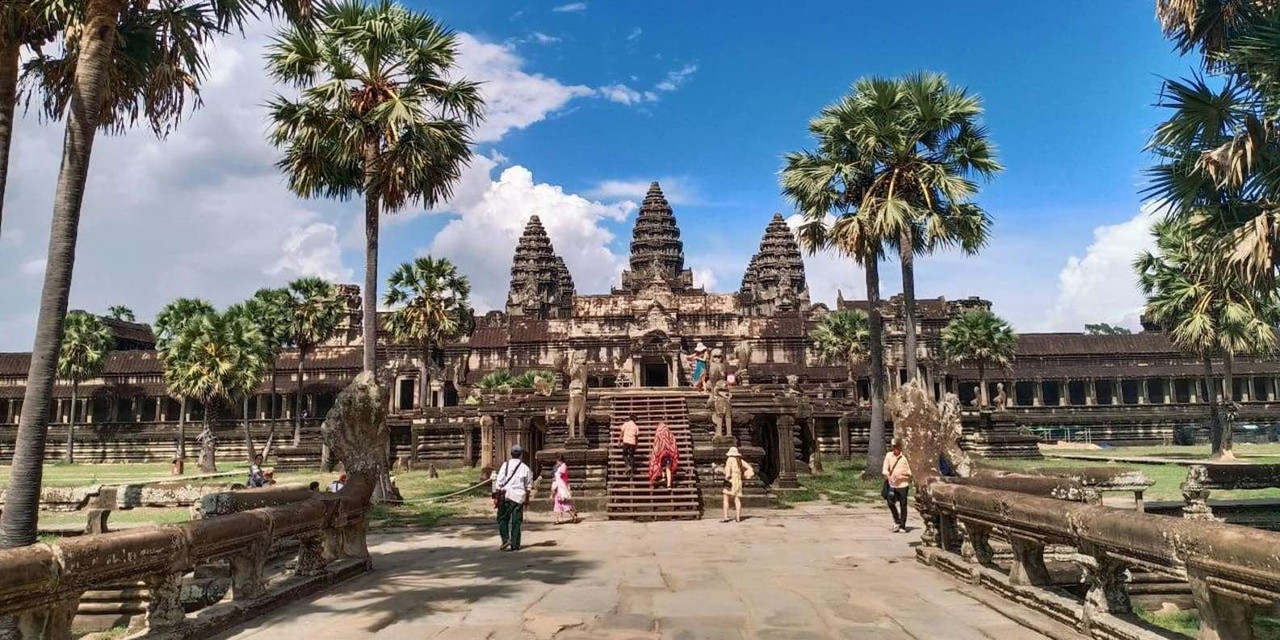
Angkor Wat, one of the largest religious monuments in the world, was constructed in the early 12th century, around 1130 AD, during the reign of King Suryavarman II. Originally built as a Hindu temple dedicated to the god Vishnu, it gradually transformed into a Buddhist temple, reflecting the shifting religious landscape of Southeast Asia. Its intricate bas-reliefs, massive galleries, and monumental spires make it a symbol of Cambodia’s heritage and a UNESCO World Heritage site. The temple is considered a masterpiece of Khmer architecture.
Related : What Ancient Marvels Can Be Found in Modern Cities?
The Great Wall of China (China)

The Great Wall of China, which stretches over 13,000 miles, is one of the most impressive feats of human engineering. While the origins of the wall date back to the 7th century BC, most of the sections that we recognize today were built during the Ming Dynasty, between the 14th and 17th centuries. The wall was originally constructed to protect China from invading forces and has become an enduring symbol of China’s strength and determination. Its construction required millions of workers and immense resources, making it one of the most labor-intensive construction projects in history.
The Dome of the Rock (Jerusalem)
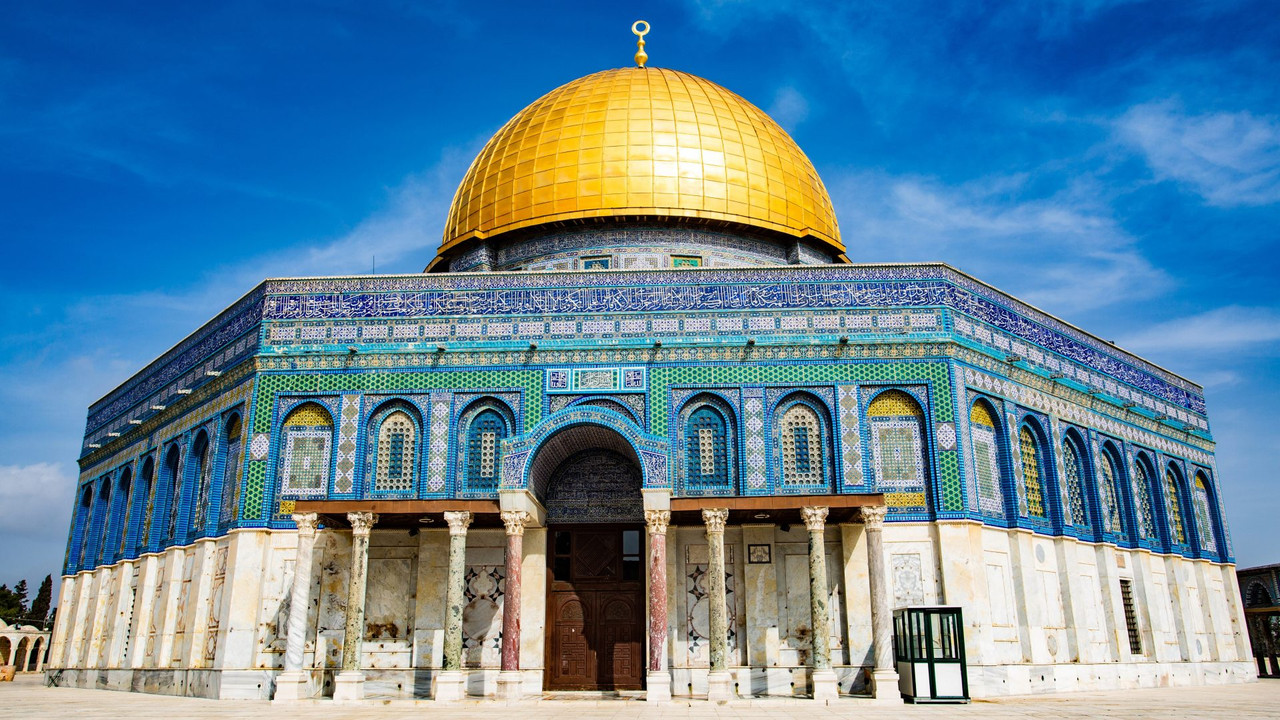
Completed in 691 AD, the Dome of the Rock is one of the oldest and most revered Islamic structures in the world. Located in Jerusalem, it is built over a rock that is significant in both Islamic and Jewish traditions. The structure is famous for its golden dome and its intricate mosaics, which represent some of the earliest examples of Islamic art. The Dome of the Rock is not only a religious symbol but also a cultural and architectural masterpiece, marking the start of Islamic architectural style.
Cluny Abbey (France)
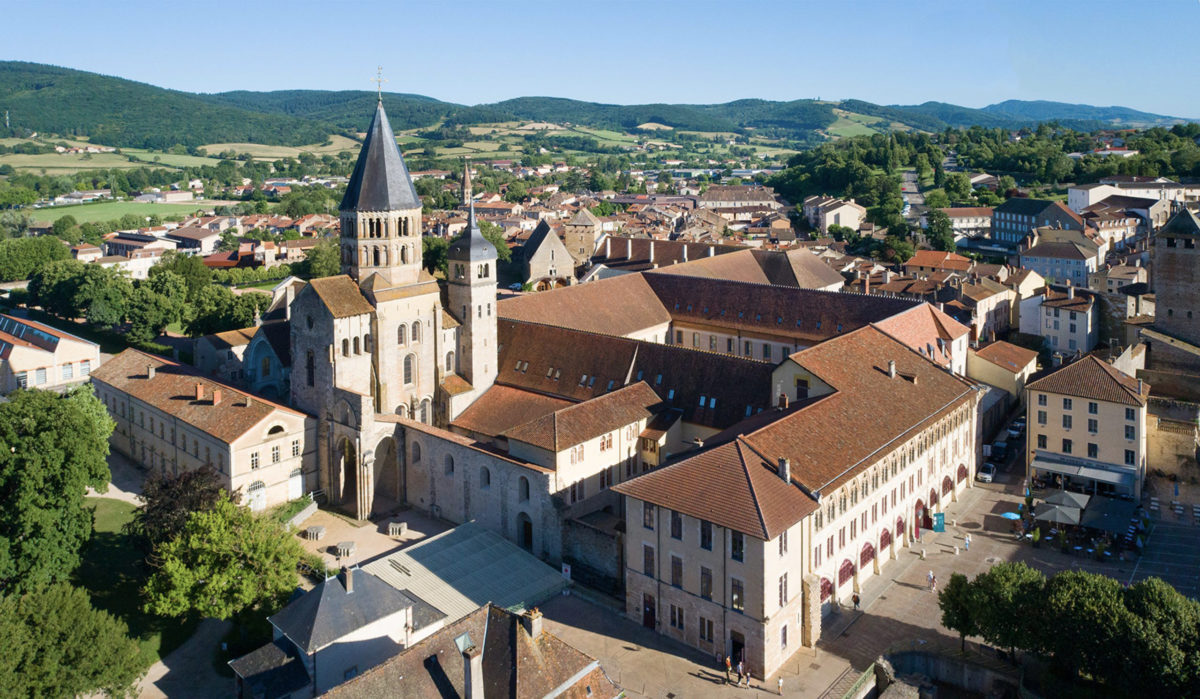
Founded in 910 AD, Cluny Abbey was once one of the most influential and powerful monasteries in Europe. It was the center of the Cluniac order, which played a crucial role in the religious and political landscape of medieval Europe. At its peak, the Abbey was home to over 1,000 monks and controlled hundreds of daughter monasteries across the continent. While much of the original structure no longer exists, Cluny Abbey remains an important symbol of medieval monasticism and the strength of the Catholic Church during the Middle Ages.
The Leaning Tower of Pisa (Italy)
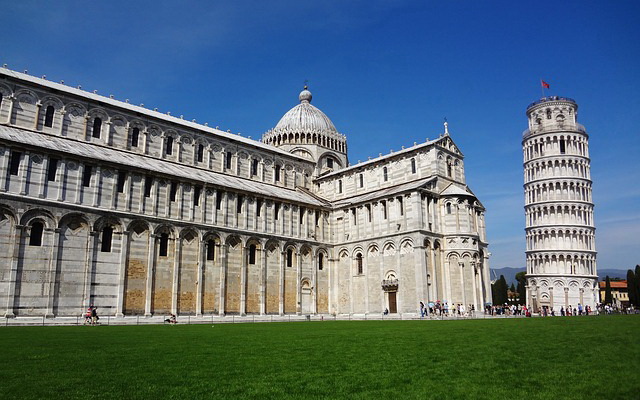
The Leaning Tower of Pisa, built between 1173 and 1372, is one of the most recognizable structures in the world. Known for its unintended tilt, the tower was initially constructed as a freestanding bell tower for the nearby cathedral. The tilt began during construction due to the soft ground on one side of the tower’s foundation, but over the centuries, it has become an iconic symbol of the city of Pisa. Today, the tower stands as a testament to medieval engineering and is a popular tourist destination.
Notre-Dame Cathedral (France)
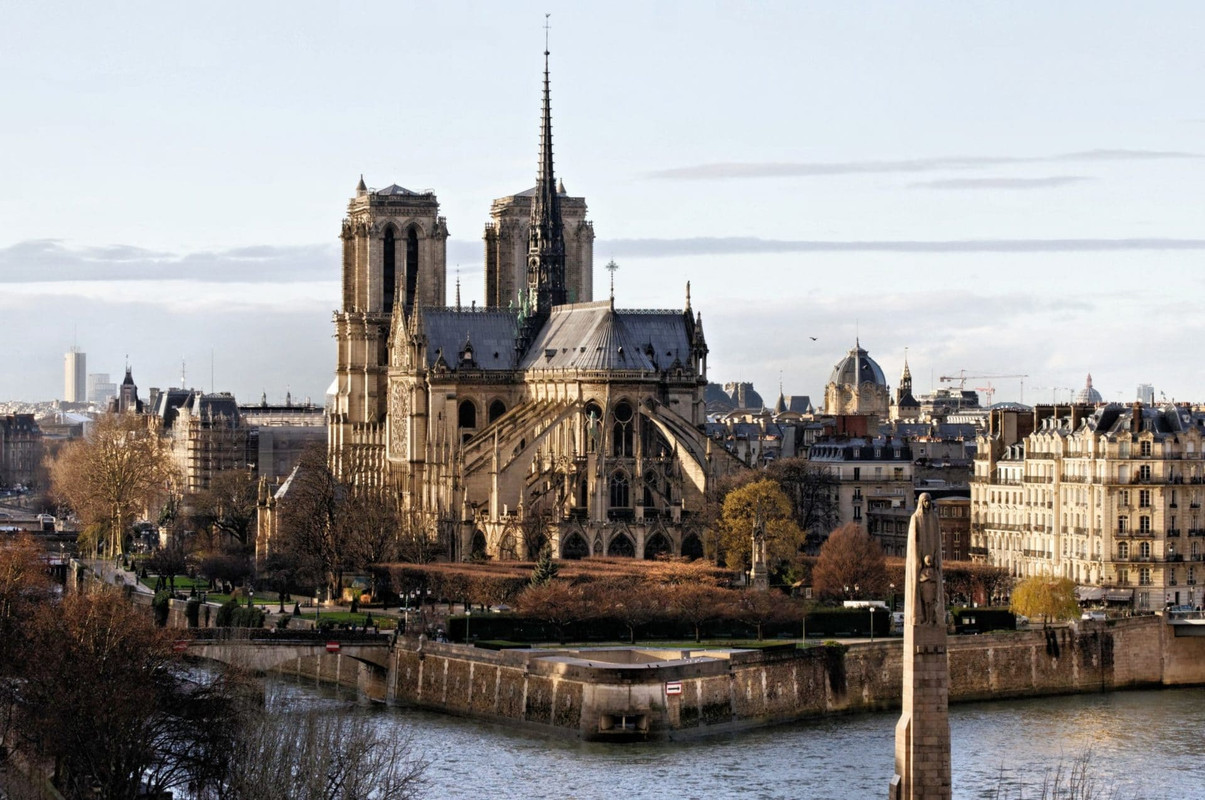
Construction of the Notre-Dame Cathedral in Paris began in 1163 AD and was completed in 1345 AD, making it over 800 years old. This Gothic masterpiece is known for its stunning architecture, including its flying buttresses, stained-glass windows, and iconic twin towers. Notre-Dame has been a center of French history, having witnessed significant events such as Napoleon Bonaparte’s coronation and the beatification of Joan of Arc. It remains one of the most visited monuments in France, attracting millions of visitors each year.
The Alhambra (Spain)
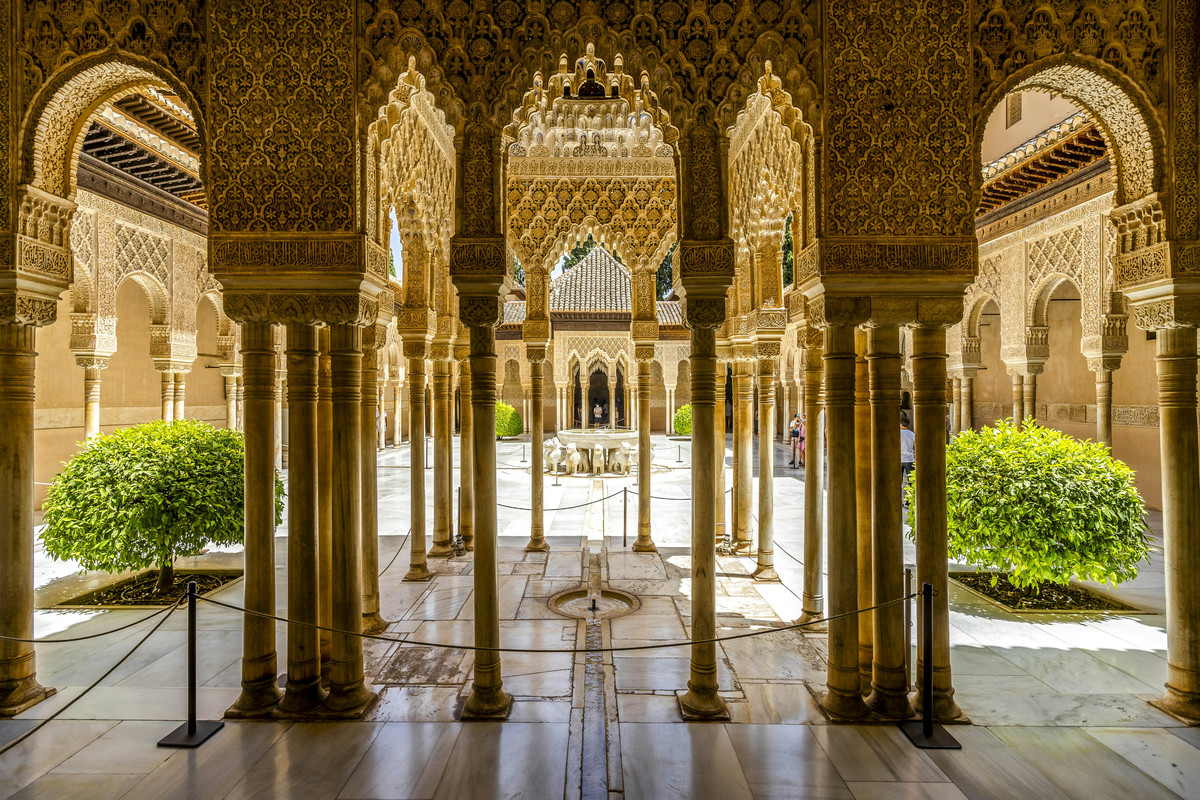
The Alhambra, a palace and fortress complex in Granada, Spain, was built in the 13th century during the rule of the Nasrid Dynasty. Completed in 1370 AD, it is a stunning example of Islamic architecture, featuring intricate tile work, beautiful gardens, and impressive courtyards. The Alhambra was not only a royal residence but also a symbol of Islamic culture and influence in Spain. Its historical significance and architectural beauty have made it a UNESCO World Heritage site and one of Spain’s top tourist attractions.
Hagia Sophia (Turkey)
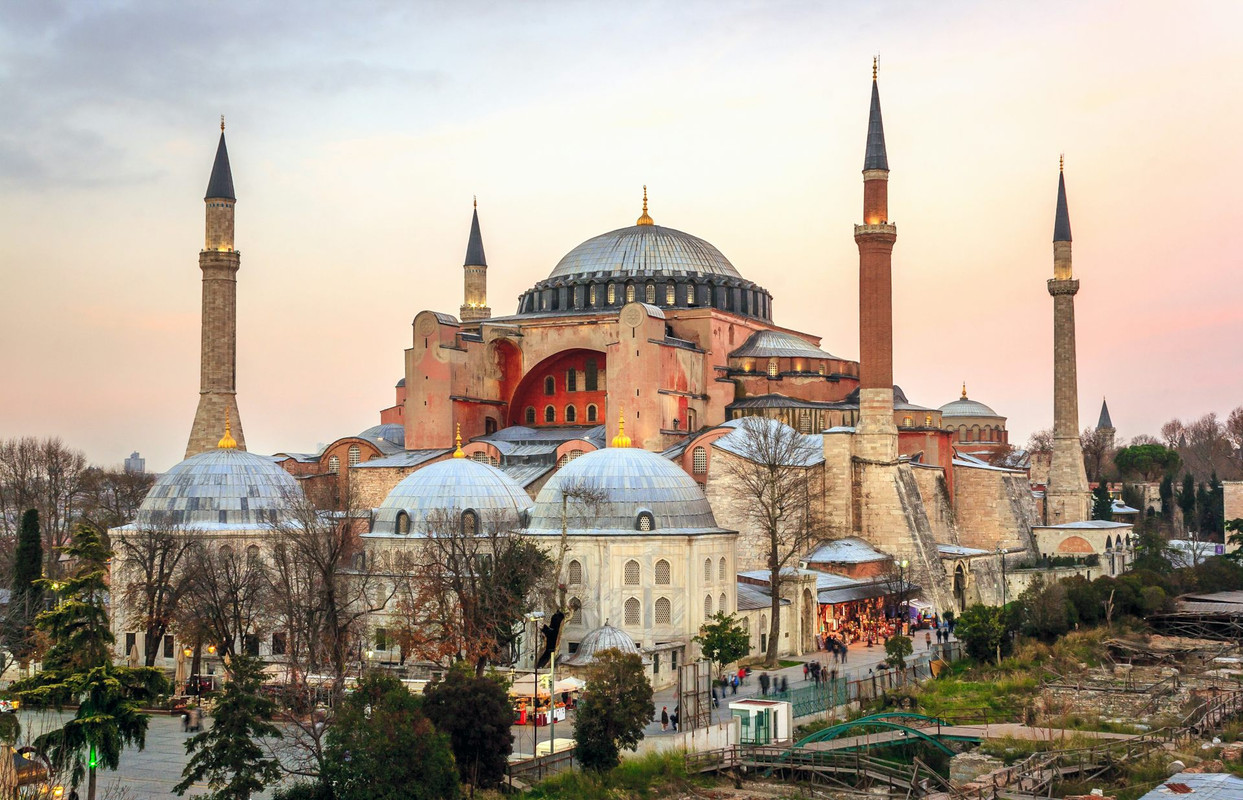
Originally completed in 537 AD by Emperor Justinian I, Hagia Sophia in Istanbul has served multiple religious purposes over the centuries. It was built as a cathedral of the Eastern Orthodox Church and was the largest cathedral in the world for nearly 1,000 years. After the Ottoman conquest of Constantinople in 1453, it was converted into a mosque, and it remained a mosque until 1935 when it was secularized and turned into a museum. In recent years, it has once again become a mosque. Hagia Sophia is celebrated for its massive dome, stunning mosaics, and rich history, making it one of the most significant architectural landmarks in the world.
Durham Cathedral (England)
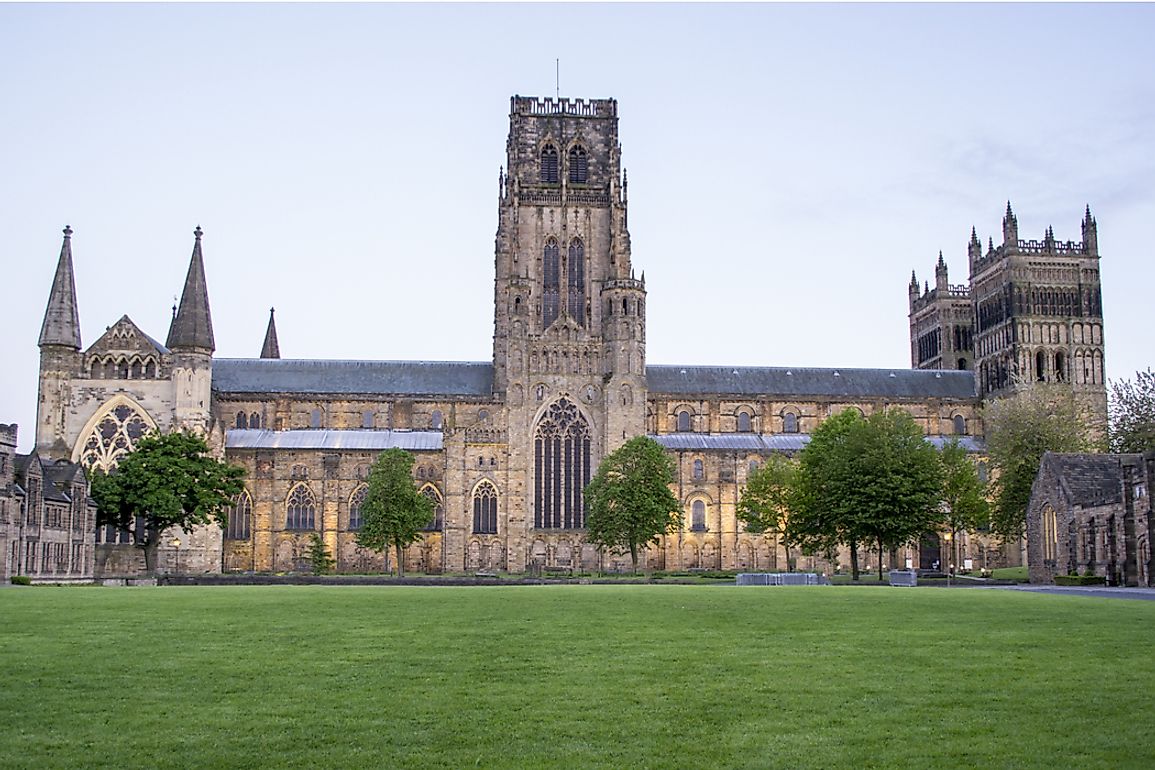
Durham Cathedral, built between 1093 and 1133 AD, is one of the finest examples of Norman architecture in Europe. Its massive Romanesque design, with soaring arches and stunning vaulted ceilings, has made it a model for cathedral architecture throughout Europe. The cathedral is also known for its beautiful location on a hill overlooking the River Wear, providing a picturesque setting for this historic structure. Durham Cathedral remains a vital religious and cultural center and is a UNESCO World Heritage site.
Kiyomizu-dera Temple (Japan)

Founded in 778 AD, Kiyomizu-dera is a Buddhist temple in Kyoto, Japan, and is one of the most famous landmarks in the country. The temple is renowned for its large wooden stage, which juts out over the hillside and offers breathtaking views of the surrounding cherry and maple trees. Kiyomizu-dera’s main hall, known as the Hondo, is supported by hundreds of wooden pillars and is an architectural marvel. The temple has played a central role in Japanese culture and spirituality for over 1,200 years.
These monuments are a testament to the lasting power of human creativity and the ability of ancient civilizations to leave behind structures that continue to inspire awe and wonder.
 Wartian Herkku
Many of the world’s most iconic monuments were built over 1,000 years ago, showcasing the incredible ingenuity, craftsmanship, and cultural significance of ancient civilizations. These structures have withstood the test of time and continue to capture the imagination of millions of visitors every year. Below are some of the most famous and enduring monuments that were built over a thousand years ago.
The Temple of Angkor Wat (Cambodia)
Angkor Wat, one of the largest religious monuments in the world, was constructed in the early 12th century, around 1130 AD, during the reign of King Suryavarman II. Originally built as a Hindu temple dedicated to the god Vishnu, it gradually transformed into a Buddhist temple, reflecting the shifting religious landscape of Southeast Asia. Its intricate bas-reliefs, massive galleries, and monumental spires make it a symbol of Cambodia’s heritage and a UNESCO World Heritage site. The temple is considered a masterpiece of Khmer architecture.
Related : What Ancient Marvels Can Be Found in Modern Cities?
The Great Wall of China (China)
The Great Wall of China, which stretches over 13,000 miles, is one of the most impressive feats of human engineering. While the origins of the wall date back to the 7th century BC, most of the sections that we recognize today were built during the Ming Dynasty, between the 14th and 17th centuries. The wall was originally constructed to protect China from invading forces and has become an enduring symbol of China’s strength and determination. Its construction required millions of workers and immense resources, making it one of the most labor-intensive construction projects in history.
The Dome of the Rock (Jerusalem)
Completed in 691 AD, the Dome of the Rock is one of the oldest and most revered Islamic structures in the world. Located in Jerusalem, it is built over a rock that is significant in both Islamic and Jewish traditions. The structure is famous for its golden dome and its intricate mosaics, which represent some of the earliest examples of Islamic art. The Dome of the Rock is not only a religious symbol but also a cultural and architectural masterpiece, marking the start of Islamic architectural style.
Cluny Abbey (France)
Founded in 910 AD, Cluny Abbey was once one of the most influential and powerful monasteries in Europe. It was the center of the Cluniac order, which played a crucial role in the religious and political landscape of medieval Europe. At its peak, the Abbey was home to over 1,000 monks and controlled hundreds of daughter monasteries across the continent. While much of the original structure no longer exists, Cluny Abbey remains an important symbol of medieval monasticism and the strength of the Catholic Church during the Middle Ages.
The Leaning Tower of Pisa (Italy)
The Leaning Tower of Pisa, built between 1173 and 1372, is one of the most recognizable structures in the world. Known for its unintended tilt, the tower was initially constructed as a freestanding bell tower for the nearby cathedral. The tilt began during construction due to the soft ground on one side of the tower’s foundation, but over the centuries, it has become an iconic symbol of the city of Pisa. Today, the tower stands as a testament to medieval engineering and is a popular tourist destination.
Notre-Dame Cathedral (France)
Construction of the Notre-Dame Cathedral in Paris began in 1163 AD and was completed in 1345 AD, making it over 800 years old. This Gothic masterpiece is known for its stunning architecture, including its flying buttresses, stained-glass windows, and iconic twin towers. Notre-Dame has been a center of French history, having witnessed significant events such as Napoleon Bonaparte’s coronation and the beatification of Joan of Arc. It remains one of the most visited monuments in France, attracting millions of visitors each year.
The Alhambra (Spain)
The Alhambra, a palace and fortress complex in Granada, Spain, was built in the 13th century during the rule of the Nasrid Dynasty. Completed in 1370 AD, it is a stunning example of Islamic architecture, featuring intricate tile work, beautiful gardens, and impressive courtyards. The Alhambra was not only a royal residence but also a symbol of Islamic culture and influence in Spain. Its historical significance and architectural beauty have made it a UNESCO World Heritage site and one of Spain’s top tourist attractions.
Hagia Sophia (Turkey)
Originally completed in 537 AD by Emperor Justinian I, Hagia Sophia in Istanbul has served multiple religious purposes over the centuries. It was built as a cathedral of the Eastern Orthodox Church and was the largest cathedral in the world for nearly 1,000 years. After the Ottoman conquest of Constantinople in 1453, it was converted into a mosque, and it remained a mosque until 1935 when it was secularized and turned into a museum. In recent years, it has once again become a mosque. Hagia Sophia is celebrated for its massive dome, stunning mosaics, and rich history, making it one of the most significant architectural landmarks in the world.
Durham Cathedral (England)
Durham Cathedral, built between 1093 and 1133 AD, is one of the finest examples of Norman architecture in Europe. Its massive Romanesque design, with soaring arches and stunning vaulted ceilings, has made it a model for cathedral architecture throughout Europe. The cathedral is also known for its beautiful location on a hill overlooking the River Wear, providing a picturesque setting for this historic structure. Durham Cathedral remains a vital religious and cultural center and is a UNESCO World Heritage site.
Kiyomizu-dera Temple (Japan)
Founded in 778 AD, Kiyomizu-dera is a Buddhist temple in Kyoto, Japan, and is one of the most famous landmarks in the country. The temple is renowned for its large wooden stage, which juts out over the hillside and offers breathtaking views of the surrounding cherry and maple trees. Kiyomizu-dera’s main hall, known as the Hondo, is supported by hundreds of wooden pillars and is an architectural marvel. The temple has played a central role in Japanese culture and spirituality for over 1,200 years.
These monuments are a testament to the lasting power of human creativity and the ability of ancient civilizations to leave behind structures that continue to inspire awe and wonder.