The decision by the Swedish government to end the tax on plastic bags, which took effect on November 1, 2024, raises an important question: Will this move hurt Sweden's goals for a cleaner environment?
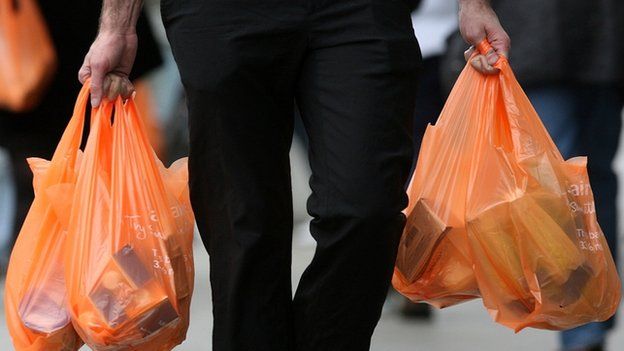
Image Credit : quickwasters
To understand this, we need to look at why the tax was put in place, what it achieved, and what experts in Sweden are now saying.
1. What the Tax Achieved
The plastic bag tax was introduced in May 2020. The main goal was to meet a rule set by the European Union (EU) that asked member countries to sharply cut down on the use of certain thin plastic bags.
The tax was very effective:
Big Drop in Use: Before the tax, in 2019, people in Sweden used an average of about 74 plastic bags per person each year.
Reaching the Goal: By 2023, this number had dramatically dropped to only 17 plastic bags per person annually. This number is well below the EU target of a maximum of 40 bags per person by 2025.
The tax encouraged shoppers to adopt a new, greener habit: bringing their own reusable bags instead of buying a new plastic one every time they shopped.
2. The Government's Reason for Ending the Tax
The Swedish government decided to remove the tax because they felt it was no longer needed for its main purpose. Since the country's plastic bag use was already much lower than the EU's goal, the tax was considered successful and its job complete.
However, the Swedish Environmental Protection Agency (Naturvårdsverket), which is the government's own environmental expert body, expressed worry. They suggested that the tax should have been kept for a longer period to make sure that the new habits stick.
3. The Risk to Environmental Goals
The main fear from environmental groups and the Swedish Environmental Protection Agency is that ending the tax might cause people to go back to their old ways and start using more plastic bags again.
Risk of Increased Use: If the bags become cheaper or free, people might buy them more often, making the number of bags used rise again. If consumption climbs back up above the EU target of 40 bags per person per year, Sweden could face a fine from the EU.
Plastic Litter: More plastic bags mean more plastic waste, which can end up as litter in nature, hurting animals and polluting waterways. Even a small number of bags per person adds up to millions of bags across the country.
However, some people also argue that the tax led to an increase in the use of other types of bags, like paper bags, which may not always be better for the climate or environment, especially if they are imported from far away. Others hope that the new habit of bringing a reusable bag is now strong enough to stay, even without the tax.
4. Conclusion: The Outcome is Uncertain
The plastic bag tax in Sweden worked very well to meet the specific goal of cutting down the number of bags used per person.
The big question is whether people's new habits are now permanent.
If Swedes continue to bring their own reusable bags, the goal will remain safe.
If consumption starts to rise sharply, the country's efforts to reduce plastic pollution will take a step backwards, and it may miss the EU target for 2025.
For now, the responsibility falls on shops to continue encouraging people to use less plastic and on shoppers to keep bringing their own bags. The overall success of this choice will only be seen over the next few years, as we wait to see what happens to the numbers.
Read Also : Which player dominated the Jets-Patriots game?
 Anonymous
The decision by the Swedish government to end the tax on plastic bags, which took effect on November 1, 2024, raises an important question: Will this move hurt Sweden's goals for a cleaner environment?
Image Credit : quickwasters
To understand this, we need to look at why the tax was put in place, what it achieved, and what experts in Sweden are now saying.
1. What the Tax Achieved
The plastic bag tax was introduced in May 2020. The main goal was to meet a rule set by the European Union (EU) that asked member countries to sharply cut down on the use of certain thin plastic bags.
The tax was very effective:
Big Drop in Use: Before the tax, in 2019, people in Sweden used an average of about 74 plastic bags per person each year.
Reaching the Goal: By 2023, this number had dramatically dropped to only 17 plastic bags per person annually. This number is well below the EU target of a maximum of 40 bags per person by 2025.
The tax encouraged shoppers to adopt a new, greener habit: bringing their own reusable bags instead of buying a new plastic one every time they shopped.
2. The Government's Reason for Ending the Tax
The Swedish government decided to remove the tax because they felt it was no longer needed for its main purpose. Since the country's plastic bag use was already much lower than the EU's goal, the tax was considered successful and its job complete.
However, the Swedish Environmental Protection Agency (Naturvårdsverket), which is the government's own environmental expert body, expressed worry. They suggested that the tax should have been kept for a longer period to make sure that the new habits stick.
3. The Risk to Environmental Goals
The main fear from environmental groups and the Swedish Environmental Protection Agency is that ending the tax might cause people to go back to their old ways and start using more plastic bags again.
Risk of Increased Use: If the bags become cheaper or free, people might buy them more often, making the number of bags used rise again. If consumption climbs back up above the EU target of 40 bags per person per year, Sweden could face a fine from the EU.
Plastic Litter: More plastic bags mean more plastic waste, which can end up as litter in nature, hurting animals and polluting waterways. Even a small number of bags per person adds up to millions of bags across the country.
However, some people also argue that the tax led to an increase in the use of other types of bags, like paper bags, which may not always be better for the climate or environment, especially if they are imported from far away. Others hope that the new habit of bringing a reusable bag is now strong enough to stay, even without the tax.
4. Conclusion: The Outcome is Uncertain
The plastic bag tax in Sweden worked very well to meet the specific goal of cutting down the number of bags used per person.
The big question is whether people's new habits are now permanent.
If Swedes continue to bring their own reusable bags, the goal will remain safe.
If consumption starts to rise sharply, the country's efforts to reduce plastic pollution will take a step backwards, and it may miss the EU target for 2025.
For now, the responsibility falls on shops to continue encouraging people to use less plastic and on shoppers to keep bringing their own bags. The overall success of this choice will only be seen over the next few years, as we wait to see what happens to the numbers.
Read Also : Which player dominated the Jets-Patriots game?