Zohran Mamdani, a 34-year-old democratic socialist, has clinched a historic victory in the New York City mayoral election, becoming the city's first Muslim, first South Asian, and youngest mayor in over a century. His win signals a significant shift in the city's political landscape, propelled by an energized coalition of young and diverse voters who were galvanized by his bold affordability agenda.
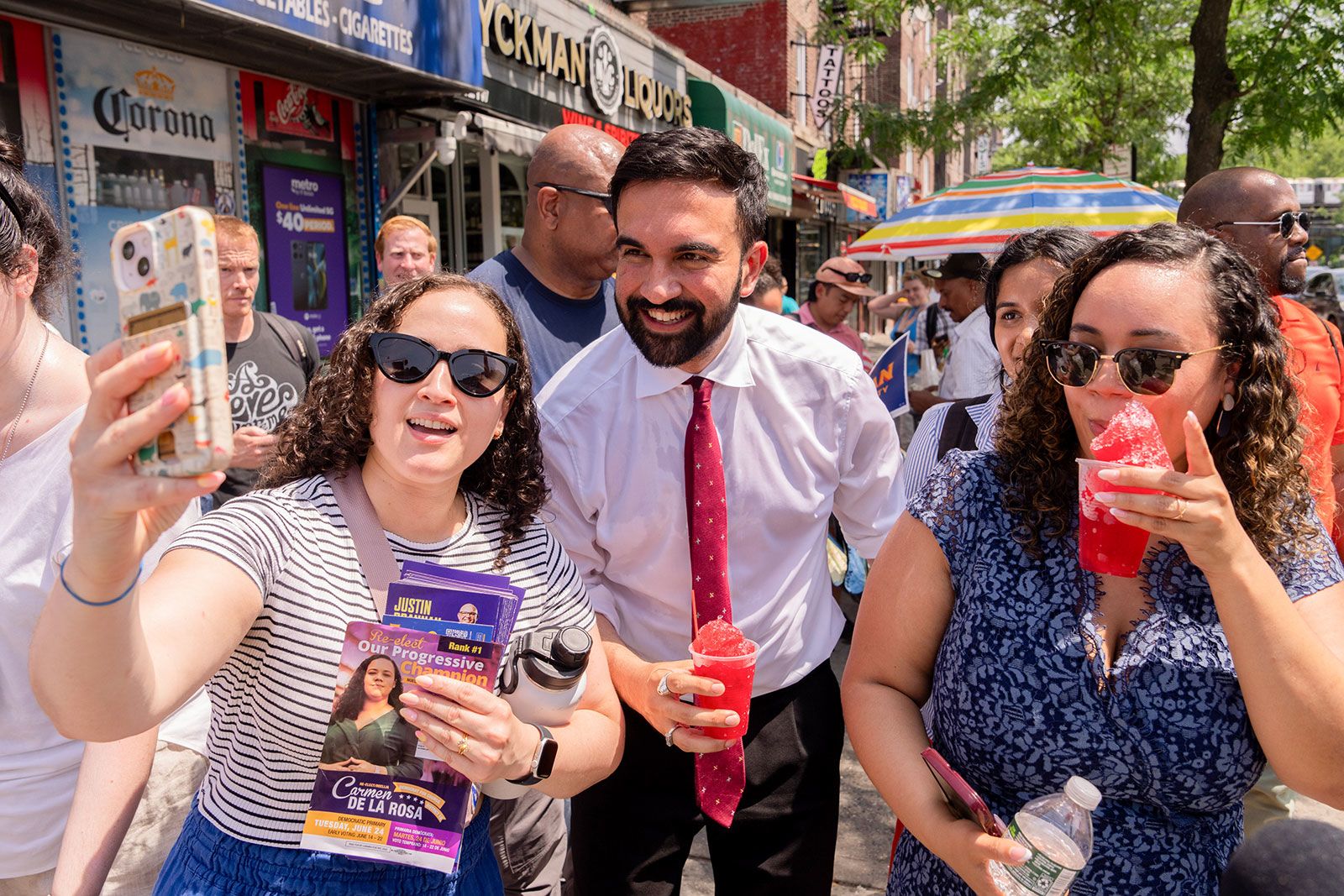
Credit Image: CNN
The Mandate for Change: Voter Turnout and Demographics
Mamdani's victory over former Governor Andrew Cuomo (Independent) and Republican Curtis Sliwa was marked by an unusually high level of voter engagement.
Core Policy Promises and Financial Strategy
Mamdani's platform was laser-focused on tackling the city's affordability crisis and was deemed "wildly ambitious" by some critics. His key proposals include:
Wages: Calling for a $30 minimum wage.
To fund this extensive agenda, Mamdani proposed raising the corporate tax rate in New York City and introducing a 2% tax on the city's wealthiest residents.
Challenges Ahead
The new mayor will immediately face significant political and economic headwinds:
Potential Exodus: A pre-election poll by J.L. Partners found that 9% of New Yorkers (approximately 765,000 people) said they would "definitely" leave the city if Mamdani became mayor, with sentiment strongest among high earners (7% of those earning over $250,000) and older voters (12% of those aged 50-64).
Mamdani's victory, fueled by a powerful youth movement and a message of economic justice, sets the stage for a dramatic policy battle as he attempts to deliver on his mandate to make New York a more livable and equitable city.
Read Also : 10 Influential Canadian Female Creators Making Waves in 2025
Answered 10 months ago
 Paula Parente

Zohran Mamdani, a 34-year-old democratic socialist, has clinched a historic victory in the New York City mayoral election, becoming the city's first Muslim, first South Asian, and youngest mayor in over a century. His win signals a significant shift in the city's political landscape, propelled by an energized coalition of young and diverse voters who were galvanized by his bold affordability agenda.
Credit Image: CNN
The Mandate for Change: Voter Turnout and Demographics
Mamdani's victory over former Governor Andrew Cuomo (Independent) and Republican Curtis Sliwa was marked by an unusually high level of voter engagement.
Core Policy Promises and Financial Strategy
Mamdani's platform was laser-focused on tackling the city's affordability crisis and was deemed "wildly ambitious" by some critics. His key proposals include:
Wages: Calling for a $30 minimum wage.
To fund this extensive agenda, Mamdani proposed raising the corporate tax rate in New York City and introducing a 2% tax on the city's wealthiest residents.
Challenges Ahead
The new mayor will immediately face significant political and economic headwinds:
Potential Exodus: A pre-election poll by J.L. Partners found that 9% of New Yorkers (approximately 765,000 people) said they would "definitely" leave the city if Mamdani became mayor, with sentiment strongest among high earners (7% of those earning over $250,000) and older voters (12% of those aged 50-64).
Mamdani's victory, fueled by a powerful youth movement and a message of economic justice, sets the stage for a dramatic policy battle as he attempts to deliver on his mandate to make New York a more livable and equitable city.
Read Also : 10 Influential Canadian Female Creators Making Waves in 2025